
Augmented Reality in Textbooks: Unlocking the Future of Interactive Learning
education is in the midst of a digital revolution, and augmented reality in textbooks stands at the forefront of this transformation. by merging customary educational resources with cutting-edge technology, AR-powered textbooks are reshaping how students learn, understand, and engage with academic content. In this in-depth article, we’ll explore the powerful benefits, practical applications, and future impact of augmented reality in interactive learning environments.
Table of Contents
- What is Augmented Reality in Textbooks?
- Key benefits of AR in Interactive Learning
- Real-World Case Studies
- How to Implement AR in Classrooms: Practical Tips
- Challenges and the Future of AR Textbooks
- Conclusion
What is Augmented reality in Textbooks?
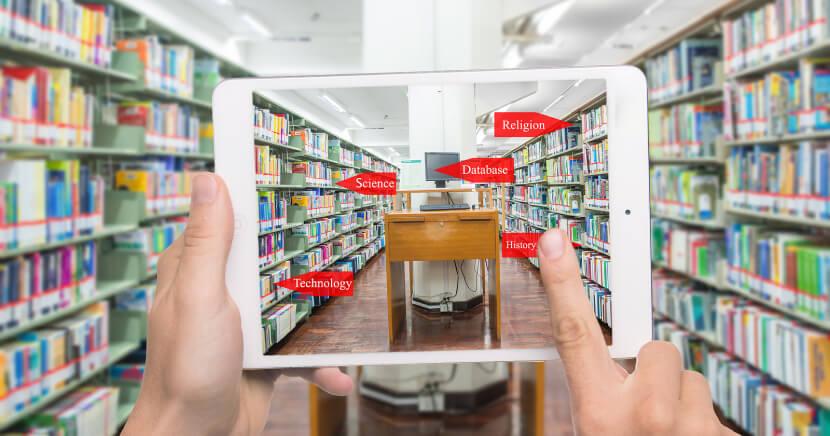
Augmented reality (AR) is an immersive technology that overlays digital information—images, 3D models, videos, and animations—onto the real world through devices such as smartphones, tablets, and AR glasses. When incorporated into textbooks, AR transforms static pages into dynamic, interactive learning platforms. By simply scanning a textbook page with a mobile device,students can access a wealth of multimedia resources and interactive experiences that enhance comprehension and engagement.
How does Augmented Reality Work in Education?
- Students download an AR-enabled app compatible with specific textbooks.
- By scanning AR-coded images or QR codes on textbook pages, digital content is displayed over the physical page in real-time.
- Content can include 3D anatomical models, interactive maps, animated physics simulations, or guided experiments, making complex concepts more accessible.
Key Benefits of AR in Interactive Learning
Implementing augmented reality in textbooks creates many unique opportunities for students,teachers,and educational institutions. Here’s how AR is enhancing interactive learning:
1. Increased Engagement and Motivation
AR brings textbook content to life, making lessons more intriguing and fun for students. Instead of passively reading, learners can manipulate 3D objects, watch experiments unfold, and take virtual field trips, which significantly boosts motivation and retention.
2. Improved Comprehension of Complex concepts
Subjects like biology, chemistry, and geography often require visual representations to fully understand intricate details. AR allows students to:
- examine 3D diagrams of the human body, molecules, or historical artifacts.
- Visualize processes—such as cell division or the water cycle—in interactive animations.
- Access supplementary videos and quizzes instantly from the page.
3. Personalized Learning Experiences
Augmented reality in interactive textbooks facilitates differentiated instruction, catering to various learning styles.Visual and kinesthetic learners,in particular,benefit from being able to explore concepts hands-on rather than just reading about them.
4.Real-Time Feedback and Assessment
With embedded quizzes and interactive exercises, AR textbooks provide logical immediate feedback, allowing students to gauge their understanding and teachers to track progress.
5. Cost-Effective and Sustainable Solutions
Rather than purchasing multiple physical resources, AR-enabled textbooks consolidate content, videos, and 3D models into one interactive edition. Updates can be pushed via apps, reducing printing costs and promoting sustainability.
Real-World Case Studies: augmented Reality in Action
case Study 1: Pearson’s Interactive Science Textbooks
Pearson Education, a global leader in academic publishing, introduced AR-driven science textbooks in middle schools. teachers reported a 34% increase in student engagement, notably among reluctant readers and students with learning differences. One biology unit allowed students to explore the human circulatory system in 3D—leading to a measurable betterment in test scores and subject retention.
Case Study 2: Wonderscope – Bringing Reading to Life
The Wonderscope app uses AR to turn traditional stories into interactive adventures.Elementary schools implementing this tool saw higher classroom participation rates, as students were excited to see narratives unfold in their own environments, fostering a love of reading and deeper comprehension.
Case Study 3: Medical Textbooks at Duke University
Medical students at Duke leveraged AR in anatomy textbooks: by scanning pages,they can manipulate virtual organs,observe the interplay between bodily systems,and simulate surgeries. Faculty noted that first-year students using AR outperformed their peers in both practical exams and collaborative group projects.
First-Hand Experience: A Teacher’s Outlook
“using augmented reality in my history classroom transformed my students’ attitudes! When we studied ancient civilizations, the kids could examine 3D models of pyramids and ancient artifacts—right on top of their textbook pages. Engagement soared, and the concepts stuck with them weeks after the unit ended.”
– Alex L., Social Studies Teacher
How to Implement AR in classrooms: Practical Tips
Interested in adopting AR textbooks for your school or district? Here are actionable steps for a prosperous implementation:
1.Choose the right AR Textbooks and Platforms
- Research publishers offering AR-enabled textbooks in your subject areas (e.g., Pearson, McGraw-Hill, cambridge).
- evaluate AR learning apps—like Blippar,Wonderscope,MERGE,and Anatomy 4D—for compatibility and user experience.
2. Ensure Device Accessibility
- Verify that students have access to smartphones, tablets, or AR glasses.
- Check that campus Wi-Fi can support multiple simultaneous device connections.
3.Provide Teacher Training and Support
- offer workshops or partner with EdTech experts to help educators integrate AR into lesson plans.
- Encourage teachers to experiment with creating their own AR experiences using user-pleasant platforms (like zappar or Metaverse).
4. Integrate AR aligned with curriculum Standards
- AR modules should supplement and enrich, not replace, core curriculum objectives.
- Ask teachers to align interactive experiences with assessment benchmarks and learning goals.
5. Gather Feedback and Iterate
- Collect student and teacher feedback for continuous improvement.
- Use class analytics (available in most AR platforms) to measure engagement and learning outcomes.
Challenges and the Future of AR Textbooks
Potential Challenges
- Device Inequality: Not all students may have access to compatible devices at home.
- Technical Learning Curve: Both educators and students may require time to master new apps and devices.
- Content Quality: Not all AR resources are created equal—choose publishers and apps with high-quality, curriculum-aligned content.
- Distraction Risks: AR features must remain focused on educational goals and not just novelty or entertainment.
Looking Ahead: The Future of AR in Education
Despite these challenges, the future of augmented reality in textbooks is bright. As technology evolves,expect to see:
- More affordable AR hardware and worldwide device compatibility.
- AI-driven AR content, providing fully adaptive learning paths.
- Peer collaboration in shared AR environments (virtual field trips, group projects, and gamified learning).
- Standardization and integration into national curricula worldwide.
conclusion
Augmented reality in textbooks is more than a trend; it’s a sustainable strategy for unlocking the future of interactive learning.AR transforms static pages into vibrant, hands-on learning experiences that increase engagement, support differentiated instruction, and make the classroom more inclusive and exciting. By proactively embracing AR technology,educational institutions position themselves at the cutting edge of innovation—empowering the next generation of learners for success in a digital world.
If you are ready to start your school’s AR journey, remember: success lies in thoughtful integration, continuous teacher training, and a commitment to enhancing—not replacing—traditional learning values.The future of learning is interactive, immersive, and limitless—with augmented reality leading the way.