
Back-End Developer in EdTech: Key Skills, Responsibilities & Career Opportunities
Are you passionate about both technology and education? Do you want to harness your programming skills to revolutionize the way institutions deliver learning? A career as a Back-End Developer in EdTech may be the perfect path for you. As technology becomes integral to universities, colleges, and schools, demand for skilled back-end developers in educational technology is rapidly rising. In this article, we’ll explore the vital skills, responsibilities, and career opportunities for aspiring back-end developers in EdTech, and provide practical tips for landing your dream job in this vibrant field.
Why Choose a Back-End Developer Role in EdTech?
The education sector is experiencing a digital transformation, with online learning platforms, student details systems, and educational apps becoming ubiquitous. Back-end developers play a crucial role in shaping, building, and maintaining the systems that make modern education efficient and accessible.By joining the EdTech industry, you’ll directly impact teachers, students, and administrators, contributing to meaningful changes in learning and teaching experiences.
- High demand: Schools and universities are continually seeking talented developers to innovate and maintain their digital solutions.
- Job satisfaction: Contribute to societal advancement by improving educational technologies.
- Continuous learning: Exposure to new tools and educational methodologies keeps the job interesting and developmental.
What is a Back-end Developer in EdTech?
A back-end developer in EdTech focuses on creating and maintaining the server-side logic, databases, and application architecture powering educational platforms or tools. Unlike front-end developers, who handle user interfaces, back-end developers ensure that systems are fast, secure, and scalable—making online exams, digital gradebooks, or student portals run seamlessly.
key Skills needed for Back-End Developers in EdTech
To thrive as a back-end developer in educational technology, certain technical and interpersonal skills are essential.Here’s a breakdown of the most important abilities:
technical Skills
- Programming Languages: proficiency in languages like Python, Java, Ruby, PHP, Node.js, or .NET for back-end advancement.
- Database Management: experience with relational (e.g., MySQL, PostgreSQL) and non-relational databases (e.g., MongoDB).
- API Development: Creating and maintaining RESTful or GraphQL APIs to enable interaction between front-end and back-end systems.
- Security: Implementing authentication, authorization, data encryption, and protection against common security threats (like SQL injection or cross-site scripting).
- Cloud Computing: Familiarity with deploying solutions on platforms like AWS, Microsoft Azure, or Google Cloud.
- Optimization: Ability to write efficient, clean code that scales to handle thousands of users concurrently.
- Version Control systems: Proficiency in Git for collaboration and version management.
- Testing & Debugging: Creating automated tests and debugging issues to ensure robust and error-free performance.
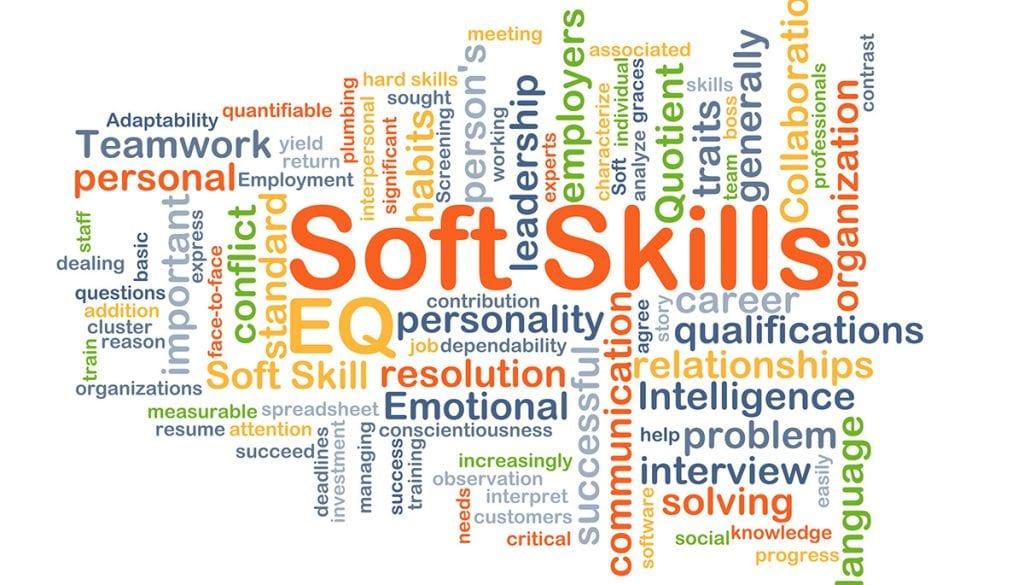
Soft Skills
- Problem-Solving: Analytical thinking to develop solutions that address the unique needs of educational users.
- Collaboration: Working effectively in multidisciplinary teams, often with educators, UX designers, and administrators.
- Adaptability: Flexibility to adapt to rapidly evolving technologies and changing educational requirements.
- Attention to Detail: Ensuring data integrity and privacy, which are paramount in educational settings.
Core Responsibilities of Back-end Developers in EdTech
Back-end developers in education technology have a diverse set of duties designed to ensure the performance, reliability, and security of educational platforms and tools. Typical responsibilities include:
- Building Scalable Systems: Design and develop server-side applications that handle large numbers of students, courses, and digital resources efficiently.
- Database Architecture: Design, implement, and optimize databases storing sensitive student data, assessment results, and content.
- API Integration: Connect different systems, such as LMS (Learning Management Systems), SIS (Student Information Systems), or external content repositories, through robust APIs.
- Data Security: Implement data protection measures in compliance with regulations like FERPA or GDPR to safeguard student and staff information.
- Automation: Develop scripts and workflows to automate routine administrative and educational tasks.
- Maintainance & Troubleshooting: Diagnose and resolve bugs or system downtime to ensure a smooth user experience for all stakeholders.
- Documentation: Create thorough technical documents detailing system architecture, workflows, and API usage for future reference and collaboration.
- Continuous Advancement: Analyze system performance and make iterative enhancements to meet changing educational and technological demands.
Key Technologies for back-End EdTech Developers
The back-end tech stack can be quite varied, depending on the institution or product.Commonly used technologies include:
- frameworks: Django (Python), Spring Boot (Java), Express.js (Node.js), Ruby on Rails
- Databases: PostgreSQL, mysql, MariaDB, Firebase, MongoDB
- Cloud & DevOps: AWS Lambda, Azure Functions, Docker, Kubernetes, Jenkins
- API Protocols: REST, GraphQL, SOAP
- authentication: OAuth, JWT, Single Sign-On (SSO) methods tailored for educational environments
Career Opportunities for Back-End Developers in Educational Technology
The EdTech landscape offers a broad spectrum of career opportunities for back-end developers. These roles are available at:
- Universities and Colleges: Supporting large-scale online learning environments, digital libraries, student registration, and assessment systems.
- K-12 Schools: Developing and maintaining school management systems,virtual classrooms,and assessment tools.
- EdTech Startups: Rapidly innovating and growing, these organizations create new platforms and applications to enhance digital learning experiences.
- Corporate Training Providers: Building systems for online professional development and upskilling programs.
- Government and Nonprofits: Focused on providing accessible educational tools and resources to underserved communities.
Typical job titles you might pursue include:
- Back-end Developer
- Software Engineer (Server-Side)
- API developer
- DevOps Engineer
- Database Administrator (with EdTech focus)
benefits of Working as a Back-End Developer in EdTech
Not sure if the education technology sector is right for you? Here are some compelling benefits:
- Purposeful Work: Directly contribute to improving learning outcomes and educational equality.
- Job Stability: Education is a resilient field with steady demand for technological advancement.
- Remote & Hybrid Opportunities: Many institutions and companies now embrace remote work, widening your job prospects.
- Competitive Salaries: EdTech salaries for back-end developers are generally on par with, or exceeding, those in other sectors—especially with experience or niche expertise.
- Professional Growth: Opportunities to expand into DevOps, cloud architecture, project management, or leading engineering teams.
Practical Tips for Landing a Back-End Developer Job in EdTech
Ready to begin your journey? Here are actionable tips for job seekers aspiring to back-end developer roles in EdTech at universities, colleges, or schools:
- Build Relevant Skills:
- Take specialized courses in popular back-end languages and frameworks.
- Focus on learning about data security and educational data regulations.
- Gain Real-World Experience:
- Contribute to open-source EdTech projects to showcase practical skills.
- Volunteer to help local schools or universities automate systems or solve technical challenges.
- Create a Strong Portfolio:
- Highlight projects related to educational tech, such as custom LMS modules or secure student databases.
- Document your contributions with code samples and detailed project explanations.
- Network with edtech Professionals:
- Attend webinars, tech meetups, or educational technology conferences.
- Connect with hiring managers or tech leads at educational institutions via online professional networks.
- Stay Updated on EdTech Trends:
- Keep abreast of new learning technologies, standards, and compliance requirements.
- Follow EdTech publications and thought leaders to stay inspired and informed.
- customize Your Job Applications:
- Tailor your resume and cover letter to highlight edtech experience or interest.
- Show understanding of the unique challenges educational organizations face, such as privacy or accessibility.
Conclusion
the role of a Back-End Developer in EdTech blends innovation, purpose, and technical challenge—making it one of the most impactful and rewarding positions in the digital education revolution. By mastering both the required technical competencies and understanding the unique needs of schools, colleges, and universities, you can build a fulfilling career shaping the future of learning.Start building your expertise,network with the educational technology community,and soon you could be powering the next generation of digital classrooms. The prospect is not just about code—it’s about making a difference in education.