
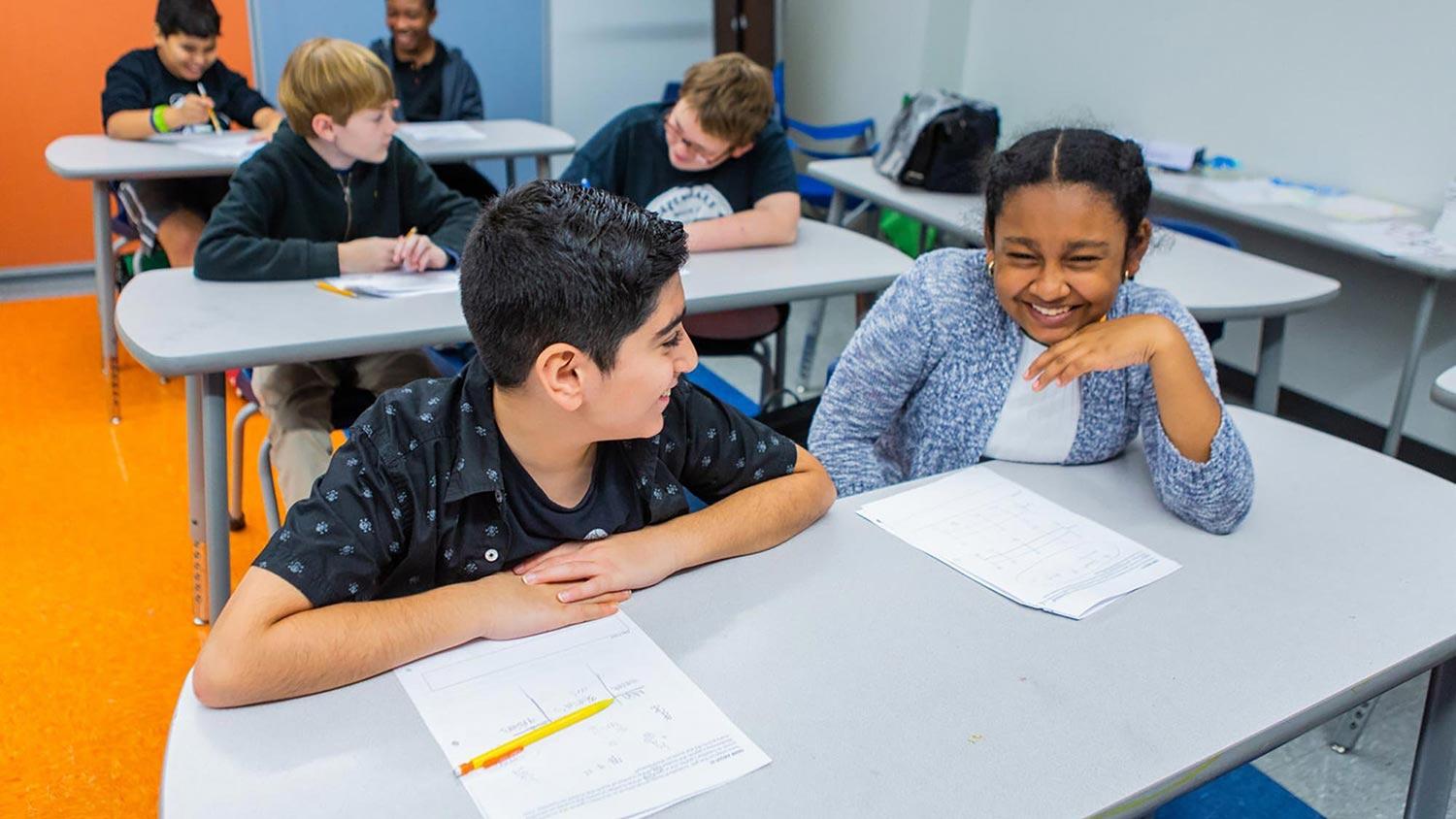
balancing Fun and Learning: Essential Strategies for Modern Educators
In today’s fast-paced digital landscape, the role of educators goes beyond imparting academic knowledge. Modern educators are challenged with creating engaging learning environments where fun and learning coexist seamlessly. This article explores the importance of balancing fun and learning, offering essential strategies for educators to foster student engagement, deeper understanding, and lifelong love of education.
Why Balancing Fun and Learning Matters
- Increases Student Engagement: Fun activities capture students’ attention, making learning more inviting.
- Enhances Retention: Interactive and enjoyable lessons lead to better long-term memory and understanding.
- Builds positive Associations: When students associate learning with positive emotions, they’re more likely to pursue knowledge independently.
- Encourages Creativity and Collaboration: Fun promotes innovative thinking and teamwork skills necessary for the 21st-century workplace.
Striking the right balance ensures not only academic success but also the social and emotional well-being of students.
Essential Strategies for Balancing Fun and Learning
1. Gamify Your Lessons
Incorporating educational games and gamification elements in the classroom is a proven strategy to increase engagement. Consider using point systems, badges, or leaderboards to motivate students and track their progress. Digital tools like Kahoot!, Quizlet, and Minecraft Education Edition transform traditional lessons into interactive experiences.
- Use quizzes and flashcards for fast review sessions.
- design class-wide competitions around curriculum goals.
- Integrate game-based learning platforms suited to your subject area.
2. Project-Based Learning (PBL)
Project-based learning allows students to explore topics deeply while having fun collaborating and creating. Select projects that connect to real-world problems or student interests, and encourage creative presentation formats such as videos, podcasts, or digital portfolios.
- Assign group roles to foster leadership and responsibility.
- Allow for student choice to increase ownership and enthusiasm.
- Include reflection sessions to reinforce learning outcomes.
3. Incorporate Arts, Music, and Movement
Incorporating the arts and movement can turn any lesson into a dynamic experience.Activities like drawing, singing, drama, or dance make abstract concepts tangible and memorable. This does more than enhance fun—it supports kinesthetic and artistic learners.
- Start lessons with a song or creative exercise.
- Use role-playing to explore past events or complex ideas.
- Set up art or poster projects for visual summarization of content.
4. Integrate Technology and Multimedia
Leverage edtech tools to create multimedia-rich lessons that appeal to a variety of learning styles. Videos, podcasts, interactive simulations, and virtual reality can provide immersive experiences that educate and entertain.
- Curate educational videos that complement your lessons.
- Encourage students to create their own multimedia projects.
- Use online collaborative platforms for brainstorming and teamwork.
practical Tips for Modern Educators
- Know Your Audience: Get to know your students’ interests, strengths, and motivators to design lessons that resonate.
- Set Clear Goals: Fun should enhance learning, not distract from objectives. Always align activities with curriculum standards and learning outcomes.
- encourage Reflection: After fun activities, use discussions, journals, or feedback forms to reinforce key takeaways.
- Establish Routine and Structure: Balance energetic activities with moments of focus and reflection to maintain a productive classroom environment.
- Be Flexible and Adaptive: Continuously assess what works and be ready to adapt your teaching methods to suit different cohorts or individuals.
Case Studies: Accomplished Classroom Strategies
Case Study 1: Themed Math Olympics (Elementary Level)
An elementary teacher introduced a “Math Olympics” theme for learning arithmetic.Through games, group challenges, and medal ceremonies, students developed competitive spirit and teamwork skills while mastering math concepts. This approach resulted in improved test scores and heightened enthusiasm for math.
Case study 2: Podcasting for History (Middle School)
Middle school students created podcasts on historical events, researching, scripting, recording, and publishing their work. The project promoted deep research,technical skills,and creativity,meeting curriculum objectives and boosting engagement.
case Study 3: Virtual Reality Science Explorations (High School)
High school science teachers used virtual reality to “visit” ecosystems and conduct simulated experiments. Immersive digital experiences made learning memorable and sparked interest in STEM careers, with students reporting better retention and understanding of complex topics.
Firsthand Experience: Educators on Balancing Fun and Learning
“The secret to effective teaching is making every lesson an adventure. When students are genuinely having fun, learning becomes effortless and profound.”
– Sarah robertson, Grade 5 Teacher
“Balancing fun and learning doesn’t mean sacrificing rigor. It’s about creating positive challenges that students want to overcome.”
– Dr. Mark Lee, High School Science Teacher
Overcoming Challenges in Combining Fun with Learning
- Managing Distractions: Fun must be purposeful. Set boundaries so playful activities reinforce—not overshadow—core lessons.
- Time Constraints: Plan efficient fun activities that fit within allotted class time without compromising curriculum coverage.
- Resource Limitations: Use low-cost or free digital tools and adapt activities to suit available materials.
- Diverse Student Needs: Differentiate activities to ensure all students participate, especially those with unique learning requirements.
With careful planning, these challenges can become opportunities for creative problem-solving and inclusive education.
Conclusion
Balancing fun and learning is not a trend—it’s the cornerstone of effective, modern education. Educators who embrace engaging teaching strategies create classrooms where curiosity thrives and academic achievement soars. Through gamification, project-based learning, technology integration, and creative activities, teachers can unlock students’ full potential while nurturing lifelong learners. by applying the essential strategies discussed above, teachers can confidently transform their classrooms into inspiring spaces where fun and learning go hand in hand.
Whether you’re a seasoned teacher or new to the field, remember: the best lessons are those that students enjoy and remember. Start integrating these balancing fun and learning strategies today and witness your students flourish academically, socially, and emotionally.