
Becoming a DevOps Engineer in Education Systems: Key Skills, Roles, and Career Path
Are you considering a rewarding career as a DevOps Engineer in education technology? As universities, colleges, and schools increasingly embrace digital transformation, the demand for skilled DevOps professionals is growing rapidly. DevOps engineers ensure smooth deployment, operation, and scaling of IT infrastructure powering modern educational platforms. If you’re passionate about both technology and improving educational experiences, this role might be the perfect fit. In this guide, we’ll explore everything you need to know to start your journey as a DevOps engineer within education systems, covering essential skills, responsibilities, career paths, benefits, and actionable tips.
what Is a DevOps Engineer in Education Systems?
A DevOps Engineer in educational institutions blends software growth (Dev) and IT operations (Ops) to streamline continuous delivery of digital solutions. In the context of university, college, or school technology teams, DevOps professionals are responsible for designing, deploying, and maintaining the systems that support online learning management systems (LMS), virtual classrooms, campus portals, and other digital resources critical to teaching and governance.
- Automating deployment pipelines for educational applications
- Enhancing system scalability for peak enrollment periods
- Improving reliability of digital assessment tools and student portals
- Ensuring data security and compliance with regulations like FERPA and GDPR
- Facilitating collaboration between development and IT staff
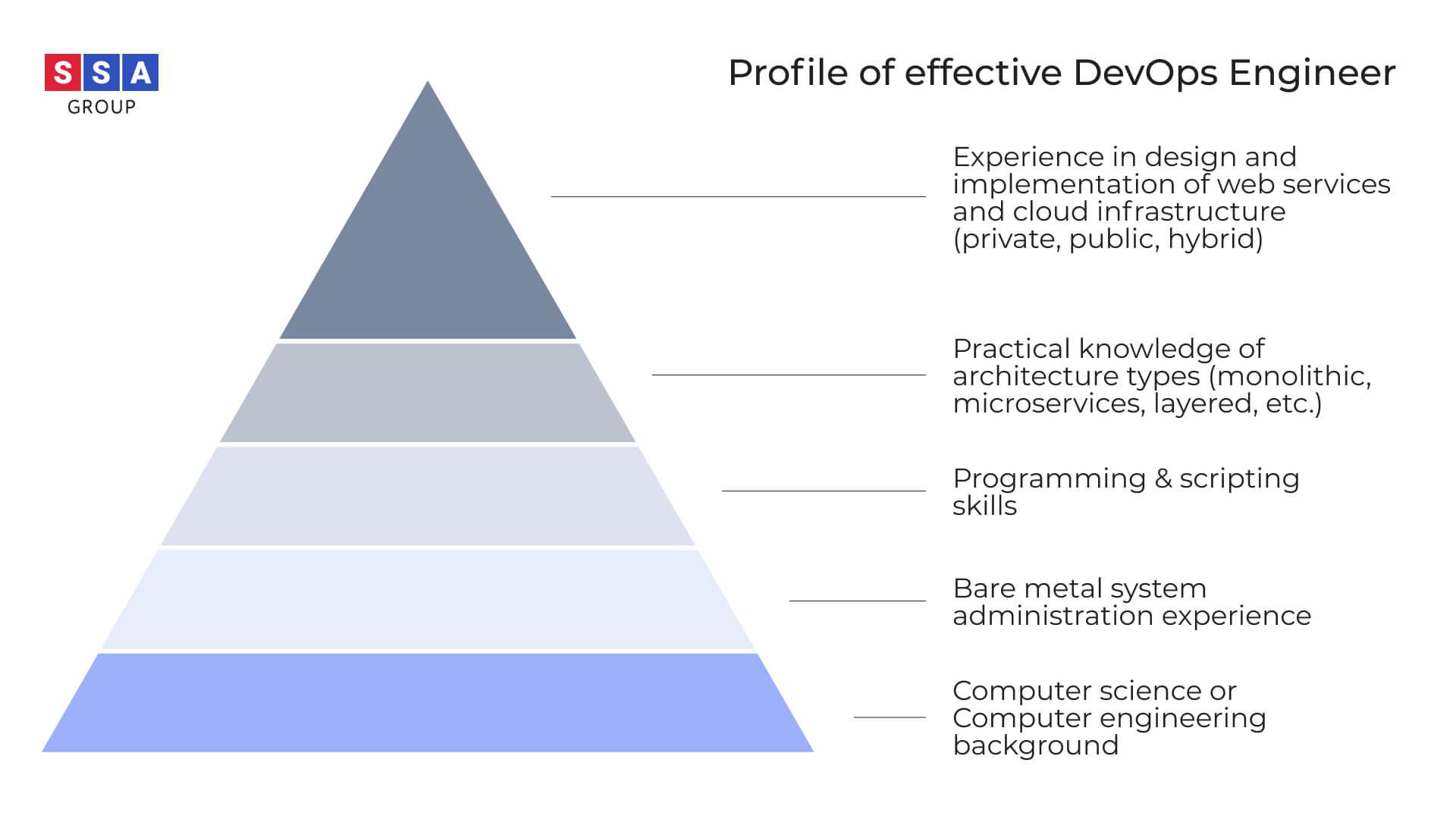
Key Skills Required for devops Engineers in Education Technology
Pursuing a role as a DevOps Engineer in education systems requires a mix of technical expertise and soft skills. While the core competencies mirror those needed in other sectors, knowledge of education-specific platforms and compliance requirements is highly beneficial.
Technical Skills
- Cloud Computing: Experience with AWS, Microsoft Azure, or Google Cloud to host edtech systems.
- Continuous Integration and Continuous Deployment (CI/CD): Proficiency in Jenkins, GitLab CI, or GitHub Actions.
- infrastructure as Code (iac): Knowledge of Terraform,Ansible,or Puppet for automating infrastructure setup.
- Containerization and Orchestration: Skills in Docker and Kubernetes for scalable and consistent app environments.
- Scripting and Programming: Familiarity with Python,Bash,or PowerShell to automate tasks.
- Monitoring and Logging: Understanding of Prometheus, Grafana, ELK stack, or similar tools for system health and diagnostics.
- Security Best practices: Application of security protocols, especially for safeguarding student and staff data.
- Version Control: Mastery of Git for collaborative code management.
Soft Skills
- Collaboration: Ability to work with diverse teams, including faculty, system administrators, and developers.
- Problem-solving: Quickly diagnosing and addressing technical issues as they arise.
- Communication: Explaining complex technical concepts clearly to non-technical stakeholders.
- Adaptability: versatility to learn new technologies or processes as educational systems evolve.
Typical Roles and Responsibilities in Education DevOps
The primary duties of a DevOps engineer in a university, college, or school habitat revolve around managing the technology stack that powers the institution’s digital platforms. Below are the most common responsibilities:
- Building and maintaining automated deployment pipelines for online learning applications
- Implementing and managing cloud infrastructure to support digital classrooms and assessment portals
- Monitoring system performance and responding to incidents to minimize downtime
- Ensuring compliance with educational data privacy regulations
- Collaborating with educators and IT staff to align technology with pedagogical needs
- documenting processes and providing training for new tools or systems
- Improving operational efficiency, security, and scalability of educational technologies
- Participating in disaster recovery planning and business continuity strategies
Depending on the size of the institution, your day-to-day could range from overseeing nationwide LMS deployment for a university system, to optimizing a simple digital gradebook for a K-12 school.
Career Path and Growth Opportunities
A career as a DevOps engineer in education technology offers a diverse range of growth opportunities. Whether you start as a junior engineer or transition from adjacent fields like system administration or software development, your prospects expand as you gain experience:
- Junior DevOps Engineer: Focused on learning tools, assisting in system maintenance, and automating basic tasks.
- devops Engineer: Takes ownership of deployment workflows, collaborates with cross-functional teams, monitors production systems, and advocates for best practices.
- Senior DevOps Engineer: leads automation projects, mentors junior staff, architects complex cloud systems, and oversees incident management processes.
- DevOps Team Lead or Manager: Manages DevOps teams, coordinates large-scale initiatives, sets policies, and aligns technology with institutional strategy.
- devops Architect: Designs enterprise-wide infrastructure solutions for educational platforms, focusing on security, reliability, and scalability.
- Transition to adjacent roles: Such as Site Reliability Engineer (SRE), Cloud Consultant, or Head of IT Operations in education sector.
Manny institutions also encourage DevOps professionals to engage in continuing education, certifications, and professional development, allowing for horizontal or vertical movement within the broader education technology landscape.
Benefits of Working as a DevOps Engineer in Education Technology
Choosing to work as a DevOps engineer in universities, colleges, or schools offers several distinct advantages:
- meaningful Impact: Contribute to the advancement of learning experiences for students and teaching efficiencies for staff.
- Job Stability: The education sector is a stable and essential part of society, with continuous need for reliable technology.
- Work-Life Balance: Many educational institutions provide flexible hours, ample holidays, and family-pleasant policies.
- Innovative Environment: Chance to deploy and experiment with cutting-edge cloud, automation, and security solutions.
- Continuous Learning: Stay up-to-date with the latest in education technology (EdTech) and DevOps practices.
- Community Engagement: Collaborate with educators, students, and administrators on projects with real, positive outcomes.
Practical Tips for Landing a DevOps Job in Education Systems
Entering the DevOps field within education technology requires more than technical proficiency. here are essential steps to boost your employability and stand out:
- Gain Education-Specific Experience: Volunteer or intern with school IT departments or EdTech companies. Even helping to set up virtual classrooms or support online exams adds to your credibility.
- Build a Portfolio: Document your projects on GitHub, especially those relevant to education (e.g., automating LMS deployments).
- Earn Relevant Certifications: Credentials such as AWS Certified DevOps Engineer,Certified Kubernetes Administrator (CKA),or CompTIA Linux+ are highly valued.
- Understand EdTech platforms: Familiarize yourself with Moodle, Canvas, or Blackboard along with compliance standards like FERPA.
- Network Within the Sector: Attend education technology conferences,webinars,or online forums to connect with hiring managers and peers.
- Tailor Your Resume: Highlight experiences and achievements relevant to the education sector, emphasizing your ability to drive secure and scalable solutions.
- Ace the Interview: Prepare to explain how your DevOps expertise solves real-world challenges in online learning environments—such as minimizing downtime during remote exams or securing sensitive student data.
- Show Continuous Learning: Demonstrate ongoing commitment by sharing up-to-date knowledge of both DevOps and EdTech trends during interviews or on your personal blog/portfolio.
Future Trends in DevOps for education Technology
The role of DevOps engineers in education systems is poised to evolve as new technologies and methodologies emerge. Staying aware of these trends can help you future-proof your career:
- AI and Machine Learning: Supporting deployment and scaling of adaptive learning technologies.
- Hybrid and Remote Learning: Ensuring robust infrastructure for seamless online/offline education experiences.
- Increased Focus on Cybersecurity: Managing advanced security frameworks to protect student data from emerging threats.
- Integration with IoT: Supporting smart classrooms, connected devices, and real-time analytics in the education environment.
- Greater Use of Automation: Reducing manual interventions so educators and IT teams focus on strategic innovation.
Conclusion
A career as a DevOps Engineer in education technology offers the perfect blend of technical innovation and meaningful societal impact. By developing relevant skills,understanding the unique needs of universities,colleges,and schools,and keeping pace with emerging trends,you can become an invaluable asset in the rapidly evolving edtech sector. Whether you’re just starting out or seeking to transition from another IT role, the field is ripe with opportunities for growth, learning, and positive contribution.
If you are passionate about technology and eager to help shape the future of education, pursuing a role as a DevOps engineer in education systems might be your ideal next step.