
Bite-Sized Learning: how to Measure Its Impact on Engagement and Performance
Bite-sized learning, often referred to as microlearning, has revolutionized the way we retain facts and develop new skills in corporate, educational, and online training environments. But while its popularity is soaring, organizations often ask the critical question: how can we measure the true impact of bite-sized learning on learner engagement and performance?
what is Bite-Sized Learning?
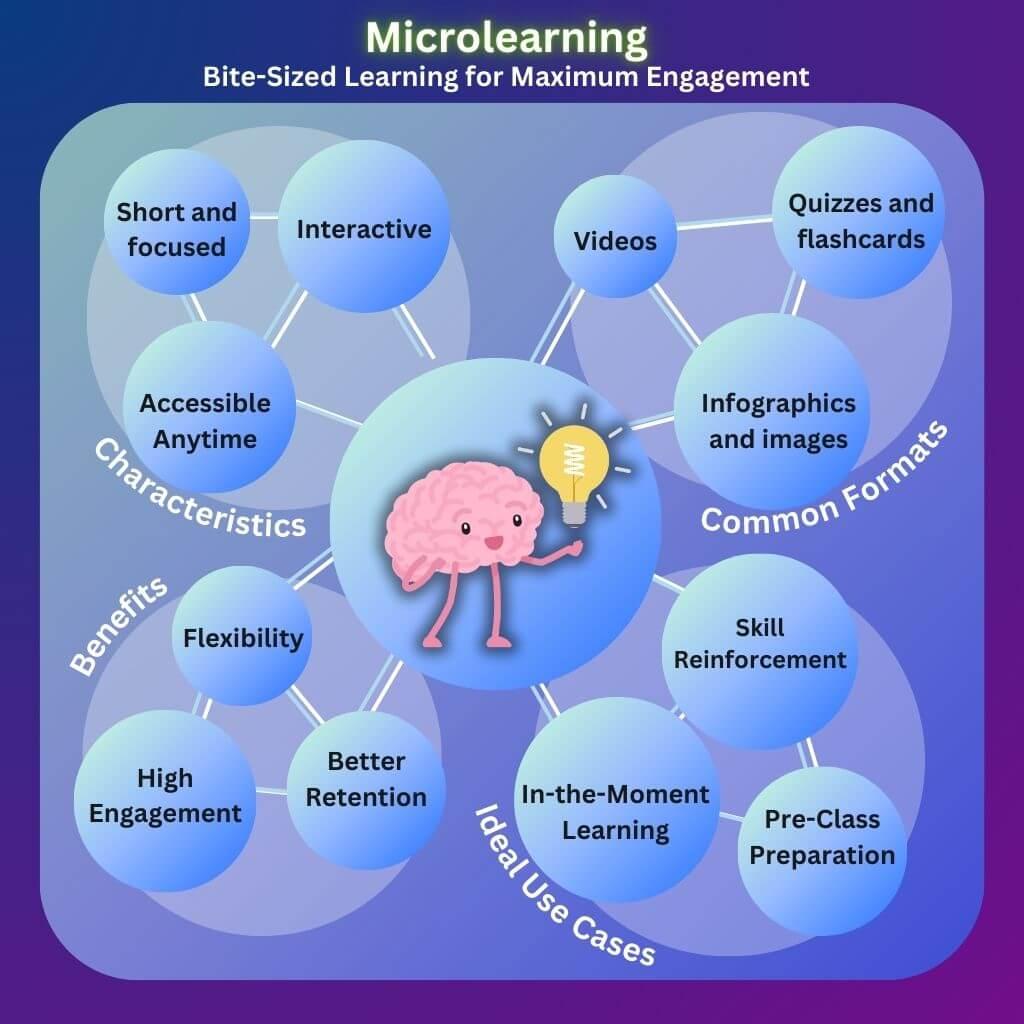
Bite-sized learning, or microlearning, delivers educational content in short, focused segments designed to fit seamlessly into busy schedules. These “learning nuggets” are typically digital, ranging from brief videos and infographics to interactive modules and quizzes. The goal? Maximize retention, improve engagement, and boost real-world performance.
- Short Duration: Each module lasts from 2-10 minutes.
- Single Objective: Focuses on one concept or skill per session.
- Accessible Anywhere: Optimized for mobile and desktop consumption.
- Interactive Elements: quizzes, polls, and feedback to promote active learning.
Why Bite-Sized Learning Matters
The digital age has ushered in a flood of information and shorter attention spans. customary hour-long workshops often fail to hold attention or deliver results. Bite-sized learning, by contrast, offers clear benefits:
- Higher engagement: Learners stay motivated thanks to manageable content chunks.
- improved Knowledge Retention: Microlearning uses spaced repetition, which enhances memory.
- Versatility: learners access modules when and where they want.
- Cost Efficiency: Easier and cheaper to update and distribute.
How to Measure Engagement in Bite-Sized learning
Implementing microlearning is just the first step; understanding how it affects engagement is essential to optimize programs and achieve learning goals. here are actionable strategies to measure learner engagement:
1. Analytics & Usage Metrics
- Completion Rates: Track the percentage of learners finishing each module.
- Time Spent: Monitor average time spent per session.
- Frequency of Access: Evaluate how often learners engage with modules.
- Click-Through Rates: Assess participation in interactive elements.
2. Feedback Surveys
- Deploy post-module surveys to capture learner satisfaction.
- use Likert scales to quantify perceived usefulness and engagement.
3. Social & Collaborative Analytics
- Monitor activities on discussion boards, forums, and social platforms.
- Track likes, shares, and comments on bite-sized materials.
How to Measure the Impact on Performance
the ultimate goal of any learning initiative is improved performance. Here’s how you can assess whether bite-sized learning delivers measurable business results:
1. Pre and Post-Assessment Scores
- Administer quizzes before and after modules to gauge learning gains.
- compare betterment at individual and group levels.
2. On-the-Job Performance Data
- Track productivity metrics,error rates,or task completion times.
- Identify correlations between microlearning exposure and business KPIs.
3. Behavior Change Observation
- Use 360-degree feedback or manager evaluations.
- Monitor observable skill improvement or compliance rates.
Benefits of Bite-Sized Learning Measured Through Real-Life Results
When organizations take a data-driven approach, the benefits of bite-sized learning become evident.Here are some tangible outcomes:
- Faster Skill acquisition: employees learn and apply new skills quickly, reducing time-to-competency.
- Higher Completion Rates: Short modules see 80-90% completion vs.30-40% for longer courses.
- Better Engagement: Regular interaction with micro-content minimizes knowledge decay.
- Continuous Improvement: Feedback loops help refine learning modules for maximum efficacy.
Case Study: Microlearning in action
Let’s look at a real-world example. A global tech firm transitioned its corporate compliance training from hour-long seminars to 5-minute interactive microlearning modules.
- Engagement: Completion rates jumped from 40% to 85% in six months.
- Performance: Post-training assessment scores increased by 30%.
- ROI: Training costs decreased due to less facilitator time and fewer scheduling conflicts.
This case demonstrates how organizations can leverage bite-sized learning to make training more engaging and improve performance – while keeping costs in check.
Practical Tips for Measuring and Optimizing Bite-Sized Learning
- Set clear Objectives: Define specific goals for engagement and performance before program launch.
- Leverage LMS Analytics: Use learning management system data to monitor progress and user activity.
- Iterate Quickly: Use learner feedback to update modules based on what works – and what doesn’t.
- Incorporate Gamification: Badges, leaderboards, and rewards drive higher engagement.
- Personalize Content: Adapt modules for different learner needs and skill levels.
Common Challenges and How to Overcome Them
- Limited Data: Not all platforms provide robust analytics. Consider integrating third-party tools for better measurement.
- Resistance to Change: Communicate benefits and provide training for both learners and instructors.
- Fragmented Learning Paths: Ensure bite-sized modules are logically sequenced and connected.
First-Hand Experience: Employees Speak Out
Feedback from actual learners is vital. Here are quotes from employees who’ve benefited from bite-sized learning:
“Microlearning makes it easy to fit training into my schedule. I can learn during coffee breaks or commuting.” – Marketing Specialist
“Smaller modules help me stay focused and actually remember what I’ve learned.” – IT Analyst
“The interactive quizzes at the end of each module keep me engaged and eager for more.” – sales Representative
Conclusion: Unlocking the Power of Bite-Sized Learning
Bite-sized learning isn’t just a trend—its a transformative approach that keeps learners engaged and drives meaningful performance improvements. By utilizing data-driven metrics and continually optimizing content,organizations can measure and maximize the impact of microlearning initiatives. Embrace bite-sized learning, monitor its progress with robust analytics, and ensure your teams are both engaged and empowered to perform at their best.
Ready to transform your training programs? Start with clear goals, choose the right tools, and embrace the future of learning—one small module at a time.
Keywords used: bite-sized learning, microlearning, learning engagement, learning performance, measure impact, training analytics, knowledge retention, employee training, performance improvement, eLearning.