
Blended Learning Designer: Essential Skills, Tools, and Strategies for 2024
The rise of digital change in education has opened up diverse career paths for professionals looking to make an impact. one of the most in-demand roles in education technology today is that of a Blended Learning Designer. Whether you’re passionate about instructional design, innovative teaching, or the integration of technology in classrooms, this role offers a unique possibility to shape the future of learning.If you’re seeking a job at a university, college, or school, understanding what it takes to succeed as a Blended learning Designer is crucial for 2024 and beyond.
What Is a Blended Learning Designer?
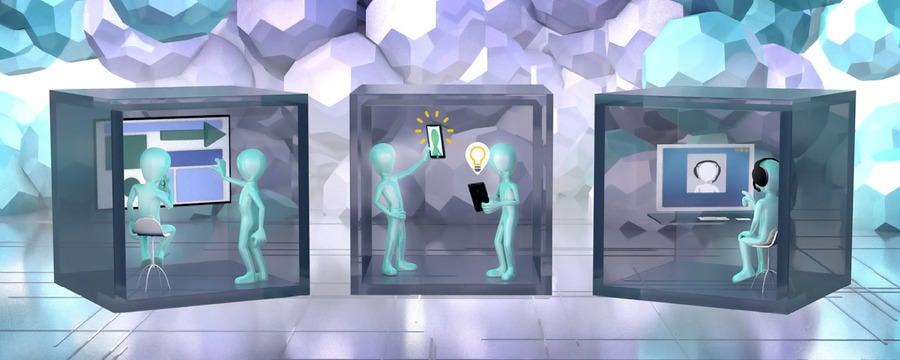
A Blended Learning designer is an education professional who develops and implements curriculums that combine face-to-face instruction with online learning experiences. This hybrid approach leverages the best of both traditional and digital methodologies to create engaging, flexible, and effective learning environments. Blended Learning Designers are instrumental in supporting faculty, training educators, and ensuring that students have access to personalized, technology-enhanced education.
Why Blended Learning Designers Are Central to Modern Education
With rapid advancements in education technology (EdTech), colleges, universities, and K-12 schools increasingly rely on skilled professionals who can seamlessly integrate digital tools with in-person instruction. Blended Learning Designers help institutions:
- Enhance student engagement and motivation thru diverse instructional methods
- Promote accessibility and inclusivity in learning environments
- Support personalized learning paths and differentiated instruction
- Increase flexibility for both students and educators
- Improve learning outcomes by leveraging data-driven strategies
Essential Skills for Blended Learning Designers in 2024
Employers seek candidates who combine a passion for education with technical proficiency and strong interpersonal skills.here are the core skills you’ll need as a Blended Learning Designer in 2024:
1. Instructional Design Expertise
- Understanding of learning theories (constructivism, connectivism, UDL, etc.)
- Competence in curriculum mapping and backwards design
- Assessment design and formative evaluation
2. Digital Literacy and EdTech Skills
- Proficiency in Learning Management Systems (LMS) such as Canvas, Moodle, Blackboard, or Google Classroom
- Familiarity with interactive content creation tools (H5P, Articulate Storyline, Adobe Captivate)
- Basic knowledge of multimedia editing (audio, video, graphics)
- Experience with collaboration tools (Zoom, Microsoft Teams, Google Meet)
3. Project Management
- Ability to coordinate with faculty, IT teams, and instructional staff
- Agile development and iterative design processes
- Efficient time and resource management
4. Interaction and Collaboration
- Strong written and verbal communication skills
- Training and professional development for educators
- Active listening and peer coaching
5. Data Analysis and Learning Analytics
- Interpreting student performance data
- Optimizing instructional strategies based on analytics
- Reporting findings to stakeholders
6. Adaptability and Lifelong Learning
- Willingness to stay updated with rapidly evolving EdTech trends
- Continuous professional development
Top Tools and Technologies for Blended Learning Designers
In 2024, a successful Blended Learning Designer is expected to master a toolkit that supports both digital and in-person pedagogy. Key platforms and tools include:
- Learning Management Systems (LMS): Canvas, Blackboard, Moodle, Brightspace
- Interactive Authoring Tools: Articulate 360, Adobe Captivate, Camtasia, H5P
- Collaboration Platforms: Google Workspace, Microsoft teams, Slack
- Assessment Tools: Kahoot!, Quizizz, Socrative
- Video Conferencing & Recording: zoom, Panopto, Screencast-O-Matic
- Design and Graphics: Canva, Adobe Creative Cloud
- Learning Analytics: Tableau, Power BI, integrated LMS analytics dashboards
Strategies for Effective Blended Learning Design
Designing impactful blended learning experiences in universities, colleges, and schools requires a strategic approach. Here are best practices to ensure success:
1. Start with Clear Learning Outcomes
- Define specific, measurable, and achievable learning objectives
- Align content and assessments with desired outcomes
2. Balance Online and In-Person Activities
- Determine which components are best delivered live vs. asynchronously
- Foster meaningful in-person discussions and peer collaboration
3. Prioritize Student Engagement
- Embed interactive elements (quizzes, polls, breakout rooms)
- Use multimedia resources to cater to diverse learning styles
4.Leverage Data for Continuous Improvement
- Collect regular feedback from students and educators
- Use analytics to refine content and teaching methods
5. Support Faculty Development
- Conduct workshops and training on digital pedagogy
- Set up communities of practice for sharing best practices
Benefits of Pursuing a Career as a Blended learning Designer
Choosing a role as a Blended Learning designer comes with numerous rewards and career opportunities, especially in 2024’s dynamic education sector:
- High Demand: Growing reliance on hybrid education models across all levels of education
- Career Growth: Transferable skills open doors to EdTech leadership and instructional design roles
- Impact: Directly improve student outcomes and faculty satisfaction
- Flexibility: Opportunities for remote, hybrid, or on-campus work environments
- Innovation: Work at the cutting edge of technology and education research
practical Tips for Aspiring Blended learning Designers
Ready to land your dream job in educational technology? Here’s how to start your journey as a Blended Learning Designer:
- Gain Relevant Experience: volunteer for blended learning projects, internships, or part-time roles
- Build a Strong Portfolio: Showcase sample lesson plans, digital content, and course evaluations
- Stay current: Follow EdTech trends, attend webinars, and complete professional certifications (e.g., ATD, ISTE)
- Network Actively: Join professional organizations, attend local conferences, and participate in online communities
- Highlight Your Soft Skills: Emphasize adaptability, communication, and problem-solving during interviews
- Seek Feedback: Continuously gather input from peers and mentors to refine your skills
The Future of Blended Learning Design
Education technology is evolving at unprecedented speeds. The need for skilled Blended Learning designers will only increase as institutions continue to innovate. The future will see greater use of artificial intelligence, adaptive learning systems, and immersive media such as virtual and augmented reality in lesson design—all requiring professionals who can bridge the gap between technology and effective pedagogy.
Conclusion
Becoming a Blended Learning Designer in 2024 is one of the most impactful and fulfilling career paths within education technology.As universities, colleges, and schools invest more heavily in hybrid learning environments, your expertise will be essential in creating inclusive, engaging, and high-quality educational experiences. By developing the key skills, mastering relevant tools, and staying adaptable to change, you can position yourself as a leader in educational innovation. Start building your career today and help shape the classrooms of tomorrow!