
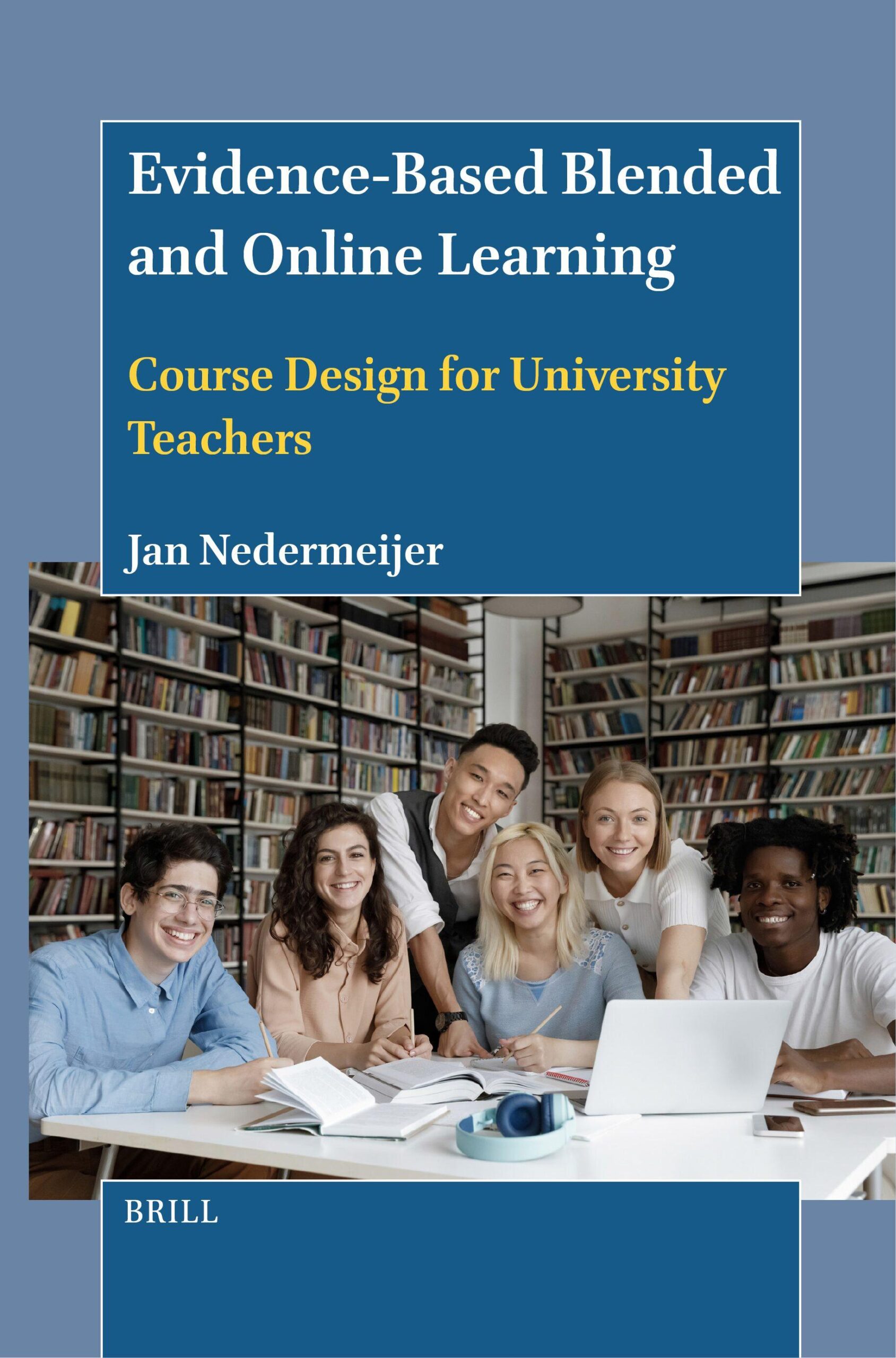
Blended Learning Designer: Key Skills, Roles, and Best Practices for Modern Education
In today’s dynamic educational landscape, technology has become an essential component in universities, colleges, and schools.Modern learning environments demand innovative approaches, and the role of a blended Learning Designer is now at the heart of this evolution. If you’re seeking a fulfilling career in education technology, becoming a Blended learning Designer combines curriculum development, instructional design, and digital learning tools to create engaging and impactful learning experiences.This article will guide you through the essential skills, roles, benefits, and best practices for excelling in this highly sought-after edtech role.
What is a Blended Learning Designer?
A Blended Learning Designer is an education professional who creates,implements,and evaluates blended learning environments—combining face-to-face teaching with online learning activities. Their goal is to enhance student outcomes through strategically integrated technology, ensuring lessons are interactive, accessible, and adaptive to different learning styles. These specialists work in collaboration with faculty, IT, and administrative staff to drive digital transformation in education.
Key Roles and Responsibilities of a Blended Learning Designer
The responsibilities of a Blended Learning designer can vary depending on the institutional context, but commonly include:
- course Design and Development: Crafting blended curricula that balance traditional and digital teaching methods.
- Technology Integration: Identifying suitable digital tools (LMS, apps, multimedia) and integrating them seamlessly with in-person instruction.
- Faculty Training and Support: Guiding educators on best practices for delivering hybrid and online components of their courses.
- Assessment and Evaluation: Designing diverse assessment methods and analyzing data to improve student engagement and success.
- Content Curation: Sourcing and adapting open educational resources (OERs) and digital content to enrich the curriculum.
- Collaboration: Partnering with instructional technologists, curriculum designers, and academic staff for holistic educational improvements.
- Project Management: Coordinating timelines, resources, and communications across departments to ensure smooth implementation of blended programs.
Essential Skills Required for Blended Learning Designers
To thrive as a Blended Learning Designer, you need a wide-ranging skill set that bridges educational theory, technology, and interpersonal communication. Key skills include:
1. Instructional Design Expertise
- Mastery of instructional design models (like ADDIE, SAM, or backward design).
- Ability to transform learning objectives into engaging blended learning paths.
2. EdTech Proficiency
- Experience with learning management systems (such as Moodle, Canvas, or Blackboard).
- Familiarity with digital creation tools (video, quizzes, interactive media).
- Working knowledge of adaptive technologies and AI in education.
3. Communication and Collaboration
- Remarkable written and verbal communication skills for training and documentation.
- Ability to build relationships with faculty, administrators, and IT specialists.
4. Analytical and Evaluation Abilities
- Data-driven mindset for analyzing learning analytics and assessment outcomes.
- Continual improvement based on feedback and performance metrics.
5. Project and Change Management
- Organizational abilities to juggle multiple projects and deadlines.
- Experience with change management and supporting cultural shifts in academic settings.
Benefits of Working as a Blended Learning Designer in Education Technology
Pursuing a career as a blended Learning Designer in universities, colleges, or schools offers numerous advantages:
- High Demand: With hybrid and online education trends accelerating, skilled designers are essential hires for educational institutions worldwide.
- Meaningful Impact: Contribute directly to enhancing student engagement,accessibility,and success rates.
- Professional Growth: Continuous learning opportunities as technology and pedagogical strategies evolve.
- Innovative Work Environment: Collaborate with interdisciplinary teams to shape the future of education.
- Job Satisfaction: The role offers an exciting blend of creativity, strategy, and technology integration.
Best Practices for Success in Blended Learning Design
To stand out as a Blended Learning Designer and deliver impactful results, apply these best practices:
- Adopt a Learner-Centered Approach: Always prioritize student needs, learning preferences, and inclusion in every design decision.
- Embrace Continuous Feedback: Collect and implement feedback from students and educators to refine courses and tools.
- Stay Abreast of EdTech Trends: Regularly explore new technologies, pedagogies, and accessibility standards.
- Foster faculty Partnerships: Build strong, ongoing relationships with teaching staff to co-create effective blended experiences.
- Champion Accessibility and UDL: Ensure courses adhere to accessibility guidelines and Universal Design for Learning (UDL) principles for all users.
- Iterative Design and Agile Development: Break projects into manageable phases and improve continuously.
Practical Tips for Aspiring Blended Learning Designers
If you’re interested in pursuing a role as a Blended Learning Designer in higher education or K-12 schools, here are actionable steps to kick-start yoru edtech career:
- Pursue Relevant Education: Degrees in Instructional Design, educational Technology, or Curriculum Development are often preferred.
- Build a Diverse Portfolio: Showcase your blended course designs, sample lesson plans, and evidence of edtech tool proficiency.
- Gain Hands-on Experience: Volunteer for curriculum redesigns, assist faculty in course digitization, or contribute to your institution’s LMS.
- Acquire Certifications: Obtain credentials in instructional design (e.g., ATD, ISTE) or specific platforms such as Moodle or Canvas.
- Network Within the EdTech Community: Attend webinars, conferences, or local meetups to connect with educational innovators.
- Showcase Soft Skills: Emphasize collaboration, creativity, critical thinking, and adaptability in your applications and interviews.
Sample Career Path for a Blended Learning Designer
The journey to becoming a Blended Learning Designer can vary but generally follows this progression:
- Start as an instructional assistant, eLearning developer, or curriculum coordinator.
- Advance to instructional designer or blended learning specialist roles.
- Specialize further by leading blended learning initiatives, managing digital transformation projects, or moving into edtech consulting.
This pathway is flexible,with opportunities in public and private schools,community colleges,research universities,and edtech companies.
Frequently Asked Questions about the blended Learning Designer Role
- Do I need a teaching background? Not always, but classroom experience can be valuable. A strong understanding of pedagogy and digital learning best practices is essential.
- What is the average salary? Salaries vary by location and institution. In north America, blended learning designers typically earn between $55,000 and $80,000 USD annually, with potential for higher earnings at larger institutions.
- is remote work possible? Yes—many organizations offer hybrid or fully-remote options for instructional design and edtech specialists.
Conclusion: Your Future as a Blended Learning Designer
As modern education evolves with technology, the demand for talented Blended Learning Designers continues to surge across universities, colleges, and schools. By cultivating a balanced skill set in instructional design, technology, communication, and project management, you will be ideally positioned for this rewarding and future-proof edtech career. Embrace continuous learning, stay attuned to educational trends, and nurture relationships with faculty and students for long-term success. Step into the world of blended education today—your impact on the future of learning has never been more notable!