
Blended Learning Designer: Key Skills, Roles, and Proven Strategies for Success
Are you passionate about transforming education and making learning more engaging for students? If so, a career as a Blended Learning Designer might be the perfect fit for you. With universities, colleges, and schools increasingly adopting education technology, the demand for skilled professionals who can design effective blended learning experiences is on the rise. In this thorough guide, we’ll explore the vital skills, key responsibilities, notable benefits, and actionable strategies you need to succeed in this dynamic EdTech role.
What Is a Blended Learning Designer?
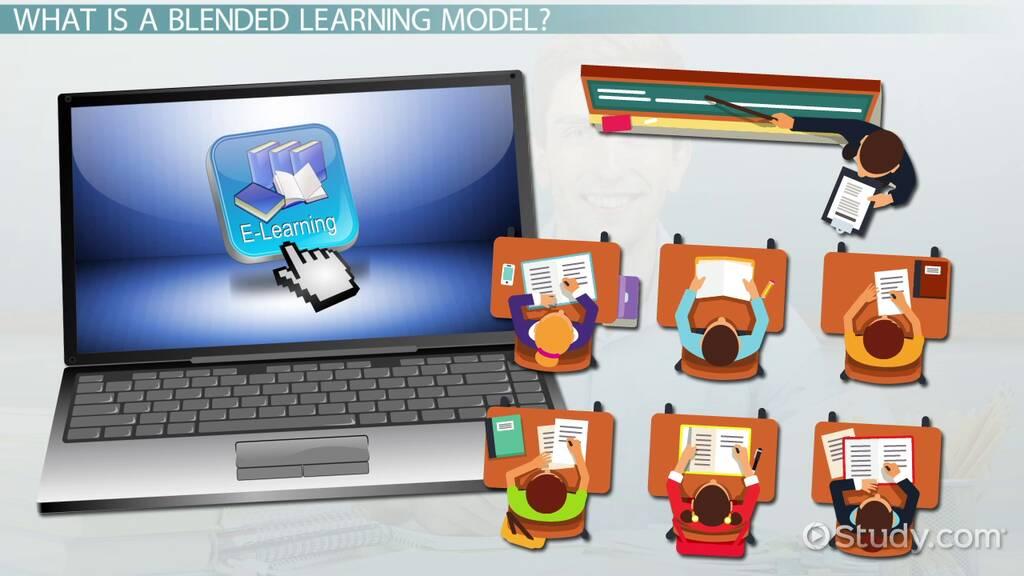
A Blended Learning Designer is a specialized education technology role focused on creating hybrid learning environments that integrate customary classroom teaching with online digital resources. this role is pivotal in educational institutions seeking to modernize instruction and personalize the learning journey for students.
Blended Learning Designers work collaboratively with faculty members, administrators, and technology teams to implement innovative solutions that enhance student engagement, support instructional goals, and foster academic achievement.
Why Blended Learning Designers Are in Demand
Universities,colleges,and K-12 schools are increasingly adopting blended learning models to:
- Accommodate various learning preferences and needs
- Increase accessibility and flexibility for students
- Leverage technology for data-driven instruction
- Improve learning outcomes with personalized pathways
- Prepare students for 21st-century skills and careers
Given these trends,the role of a Blended Learning Designer has become a sought-after EdTech career for job seekers who are passionate about educational innovation.
Core Responsibilities of a Blended Learning Designer
As a Blended Learning Designer, you’ll wear many hats. Here are the typical job roles and responsibilities you can expect:
- Curriculum Design: Develop engaging online and offline instructional materials that align with learning objectives.
- Technology Integration: Select and implement EdTech tools such as Learning Management Systems (LMS), interactive applications, and multimedia content.
- instructor Training: Coach faculty and teachers on best practices for blended course delivery,assessment,and facilitation.
- Student Support: Design resources and activities to guide students through both virtual and in-person learning environments.
- Evaluation & Analysis: Monitor the effectiveness of blended learning programs using analytics and feedback, making data-driven improvements.
- Collaboration: Work with cross-functional teams including instructional designers, academic leaders, and IT specialists.
- Continuous Improvement: Stay current with emerging technologies, pedagogies, and trends in education technology.
Top Skills Needed for Success as a Blended Learning Designer
For job seekers in education technology, mastering these key skills is essential to excel in blended learning design:
1. Instructional Design Expertise
- Understanding of learning theories and pedagogical frameworks
- Proficiency in curriculum mapping and backward design
- Ability to create clear, measurable learning outcomes
2. Technology Proficiency
- familiarity with LMS platforms (e.g., Canvas, Moodle, Blackboard)
- Knowledge of authoring tools like articulate storyline or Adobe Captivate
- Basic HTML/CSS skills for customizing learning experiences
3. Project Management
- Strong organizational skills, attention to detail, and ability to manage multiple projects together
- Experience using project management tools (e.g., Trello, asana, Monday.com)
4. Dialog & interpersonal Skills
- Effective written and verbal communication for training, documentation, and stakeholder engagement
- ability to collaborate and build relationships across departments
5. Analytical & Problem-Solving Skills
- Competence in assessing student performance data and program effectiveness
- Resourcefulness in troubleshooting technical and instructional challenges
6. Creative Thinking
- Designing innovative activities, lessons, and assessments that keep learners motivated
- Adapting content for different formats and audiences
Benefits of a Career in Blended learning Design
Pursuing a career as a Blended Learning Designer offers many advantages for education technology professionals:
- High Demand: The shift towards blended learning and digital classrooms is driving strong job growth in this sector.
- Career Advancement: Opportunities exist for promotion to leadership roles in instructional design or academic technology.
- Competitive Salaries: Salaries reflect both technical and pedagogical expertise, frequently enough exceeding traditional teaching roles.
- Impactful Work: You’ll help shape the future of education and directly support student achievement.
- Lifelong Learning: Exposure to new EdTech, methods, and collaboration fosters continuous professional growth.
Proven Strategies to Succeed as a Blended Learning Designer
Ready to land your dream job and thrive in blended learning design at universities, colleges, or schools? Here are practical strategies to set yourself apart in education technology:
1. Build a Strong Portfolio
- Showcase sample lesson plans, courses, and interactive modules you’ve designed
- Include evidence of prosperous blended learning implementations and their outcomes
- Highlight innovation, creativity, and technology integration
2. Stay Updated With EdTech Trends
- Engage with professional communities and attend workshops, webinars, or conferences
- Explore the latest developments in AI, AR/VR, adaptive learning, and mobile education strategies
3. Gain Professional Certification
- Consider credentials such as Certified Instructional Designer/Developer (CIDD), Google for Education, or similar recognized programs
- certifications add credibility and demonstrate your commitment to professional development
4. Network & Collaborate
- Connect with othre blended learning professionals through online forums, social platforms, or local meet-ups
- Share ideas, lessons learned, and best practices to grow your expertise and visibility
5. Master Data-Driven Instruction
- Learn to interpret analytics from LMS platforms and educational software
- Use data to personalize learning experiences and drive instructional decision-making
6. Focus on Inclusivity and Accessibility
- Ensure your designs follow accessibility standards (e.g., WCAG)
- Develop content that accommodates diverse learning needs, including students with disabilities and English language learners
Practical Tips for Landing a Blended Learning Designer Job
- Tailor Your Resume: Align your request with the specific requirements of education technology roles at target institutions.
- Demonstrate Relevant Experience: Highlight experience in instructional design,e-learning development,and EdTech project management.
- Include Key Skills: Showcase your proficiency with digital tools, curriculum design, assessment strategies, and technology integration.
- Prepare Case Studies: Be ready to share real-world examples of blended learning challenges you’ve solved and results you achieved.
- Show Enthusiasm for Educational Innovation: Demonstrate your passion for advancing pedagogy through technology and best practices.
Conclusion
The role of a Blended Learning Designer sits at the exciting intersection of education and technology, offering professionals the opportunity to transform classrooms and empower lifelong learners. Whether you’re seeking a position at a university, college, or school, mastering the essential skills, understanding the key responsibilities, and deploying proven strategies will help you not only land your dream job, but also make a lasting impact in the world of education technology.
Start investing in your skillset, deepen your knowledge of blended learning design, and embrace innovation. The future of education needs talented EdTech professionals who are ready to shape new learning experiences for generations to come.