
Blended Learning Designer: Key Skills, Roles, and tips for Success in Modern Education
Are you passionate about revolutionizing education with technology? interested in a fulfilling career as a Blended Learning Designer at universities, colleges, or K-12 schools? As digital change accelerates within education, the role of the blended learning designer is more crucial than ever. Whether you’re an experienced educator looking to move into education technology, or a tech-savvy creative eager to shape how students learn, this comprehensive guide will walk you through everything you need to know for success in this dynamic field.
What is a blended Learning Designer?
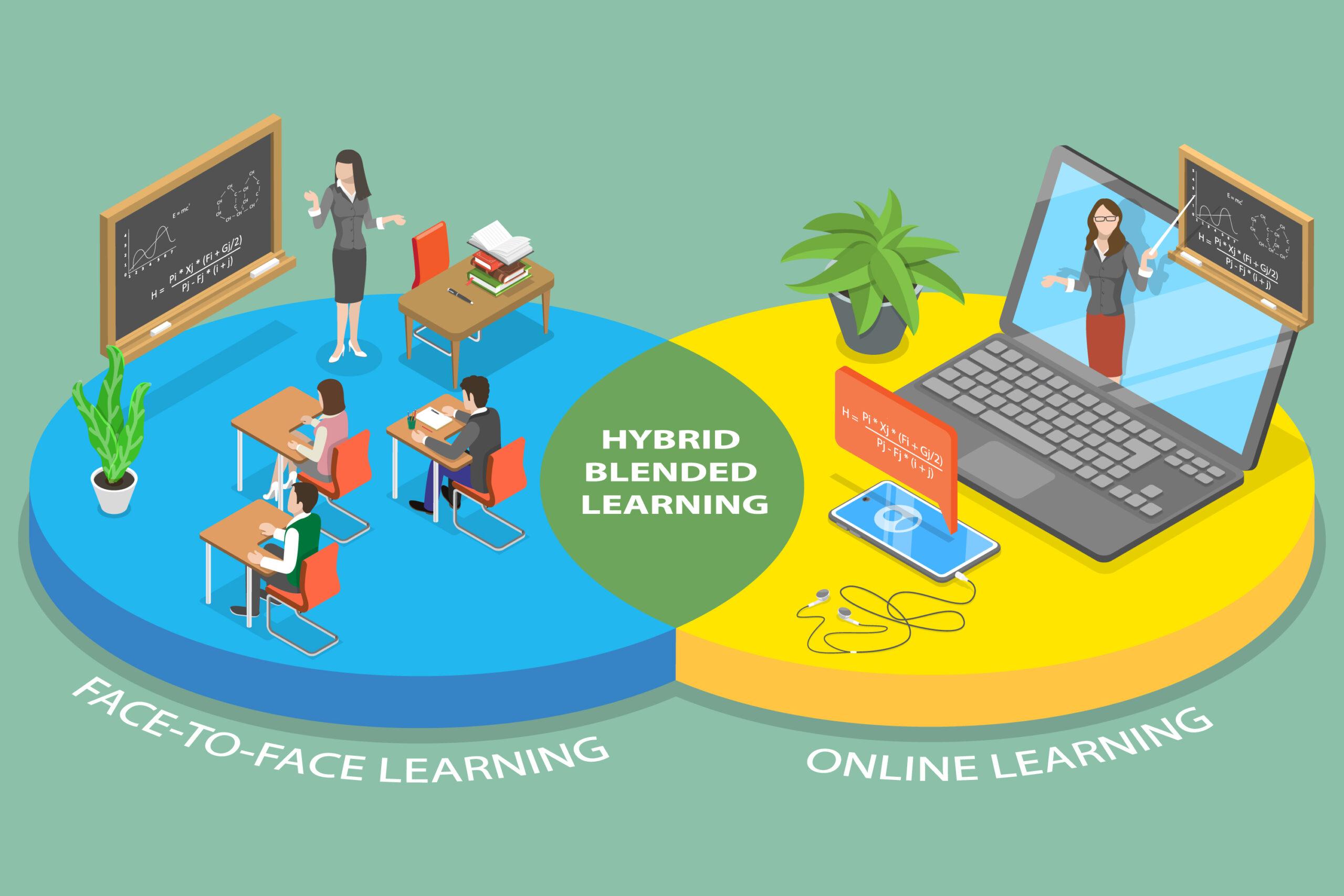
A Blended Learning Designer—sometimes referred to as an Instructional Designer for Blended learning—is an education technology specialist who expertly combines traditional face-to-face instruction with the latest digital tools and online learning strategies. These professionals collaborate with faculty, teachers, and school administrators to design, develop, and implement hybrid courses that engage students and support diverse learning outcomes.
Roles and Responsibilities of a Blended Learning Designer
As blended learning becomes mainstream, educational institutions increasingly rely on experts to orchestrate seamless hybrid learning environments. Here are the key responsibilities you can expect in a typical blended learning designer job description:
- Analyzing learning needs and performance goals of students and instructors
- Designing engaging hybrid or blended courses that integrate digital platforms with in-person instruction
- Collaborating with subject matter experts to develop course content and assessments
- Selecting appropriate educational technologies and e-learning tools (Learning Management Systems, video, simulation software, etc.)
- Producing multimedia learning resources such as interactive modules,videos,and digital assignments
- Training and supporting faculty in the adoption and use of blended learning strategies
- Collecting and analyzing feedback and learning data to improve the curriculum
- Staying abreast of the latest edtech trends,tools,and best practices
Key Skills Required for Success as a Blended Learning Designer
Securing a Blended Learning Designer role at a university,college,or school involves a combination of pedagogical know-how and technical expertise. Here are the essential skills and qualities needed to succeed in these education technology jobs:
- Instructional Design Skills: Deep understanding of learning theories, curriculum advancement, and assessment strategies tailored for both online and offline environments.
- technology Proficiency: Familiarity with major Learning Management Systems (such as Moodle, Canvas, Blackboard), and also collaboration tools (Google Workspace, Zoom, Microsoft teams).
- Multimedia Production: Ability to create or curate digital content (videos, podcasts, infographics, SCORM packages) that enhances learning.
- Project Management: Strong organizational skills to manage multiple courses, deadlines, and stakeholders concurrently.
- Collaboration & Interaction: excellent interpersonal skills to liaise between IT, administration, faculty, and students.
- Data Interpretation: Ability to gather and analyze learning analytics, and use data-driven insights to optimize course design.
- Adaptability: willingness to learn new technologies and adapt to evolving education trends.
- Empathy: A genuine desire to understand and support diverse learners and educators.
Educational and Professional Background
Most blended learning designer roles in universities, colleges, and schools require:
- A Bachelor’s or Master’s degree in Education, Educational Technology, Instructional design, Curriculum Development, or a related field
- Experience teaching, tutoring, or developing curriculum in a formal or informal educational setting
- Strong portfolio demonstrating previous e-learning or blended course projects (often required at the interview stage)
- Professional development or certification in instructional design or edtech tools (such as ATD, ISTE, or relevant vendor certifications) is highly desirable
Benefits of Working as a Blended Learning Designer in Education
Opting for a career in blended learning design within academia offers numerous professional and personal rewards, including:
- Impactful Work: shape the future of how students learn and thrive in increasingly digital environments.
- Job Security: With the growth of hybrid and online education, skilled learning designers are in high demand across schools and universities.
- Continuous Learning: Opportunities to engage with cutting-edge educational technology, professional development, and innovation.
- Collaboration: Work closely with diverse faculty, instructional technologists, administrators, and students.
- Versatility: Some blended learning design roles offer remote or hybrid work options.
- Career growth: Clear pathways to advance into senior instructional design, EdTech leadership, or academic technology management positions.
How to Land a Job as a Blended Learning Designer
Looking to break into education technology as a blended learning designer at a university, college, or school? use these practical steps to boost your employability:
-
Gain Hands-On Experience:
- Volunteer for instructional design projects at your current institution or with non-profit organizations.
- Create sample blended learning modules to demonstrate your design process and technical skills.
-
Build a Professional Portfolio:
- Document your instructional projects, showing before-and-after results, feedback from learners, and samples of multimedia content.
- Include narrative explanations of your approach to blended learning challenges.
-
Stay updated:
- Follow the latest research and best practices in pedagogical innovation, digital learning, and instructional technology.
- Engage with online communities and attend webinars offered by education technology associations.
-
Network Effectively:
- Connect with current learning designers, e-learning professionals, and faculty via professional networks and local events.
- Seek informational interviews and mentorship for career advice.
-
Tailor Your Application Materials:
- Customize your resume and cover letter for each possibility, emphasizing your blended learning and technology integration experience.
- Mention specific EdTech tools and methodologies relevant to the institution’s needs.
Expert Tips for Success as a Blended Learning Designer
Excelling in a blended Learning Designer role requires more than technical skills. Here’s how to stand out and make a real difference:
- Champion Global Design: Apply universal design for learning (UDL) principles to make courses accessible for all students, including those with disabilities.
- Foster Faculty Buy-In: Act as a coach and advocate for educators new to blended learning.Deliver user-friendly training and support change management efforts.
- Iterate Continually: View every blended course as a work-in-progress. Solicit feedback from both students and instructors, and refine regularly.
- Keep Learners Engaged: Design interactive, student-centered activities that motivate learners and promote collaboration—both online and offline.
- Master Storytelling: Use stories, scenarios, and real-world examples to make learning meaningful and memorable.
- Celebrate Results: Share your successes, such as improvements in student engagement, completion rates, or teaching satisfaction, with stakeholders.
Frequently Asked Questions about Blended Learning Designer Jobs
What type of institutions hire blended learning designers?
Universities, community colleges, K-12 schools, vocational institutes, and even private EdTech companies increasingly recruit blended learning designers to enhance their programs’ flexibility and student outcomes.
What salary can blended learning designers expect?
Salaries vary by location and institution, but blended learning designers typically earn between $55,000 and $85,000 USD per year in the U.S., with opportunities for advancement and higher compensation at senior levels or in leadership roles.
Do blended learning designers need teaching experience?
while not always mandatory, teaching or training experience is highly valued. It demonstrates your empathy for educators and students—crucial for designing meaningful blended learning experiences.
Conclusion: Take the Next step in Your EdTech Career
The Blended Learning Designer role is the vanguard of modern education, intersecting pedagogy and digital innovation. With the right mix of instructional expertise, technology skills, and dedication to continuous enhancement, you can empower students, support educators, and drive transformative change in schools, colleges, and universities. Whether you’re advancing your career or entering education technology for the first time, now is the perfect time to step into this rewarding field.
Embrace the challenge, invest in your professional growth, and help build the future of blended learning!