
Blended learning Explained: How Traditional and Digital Education Work Together for Better Results
Introduction: What is Blended Learning?
In today’s fast-evolving educational landscape, blended learning stands out as a powerful method that brings together the strengths of traditional classroom teaching and digital educational tools. By harmoniously integrating these approaches, blended learning offers a flexible, engaging, and results-driven way to educate students of all ages. If you’ve heard the buzz around “hybrid education” or “technology-enhanced learning”,you’re already familiar with the foundations of this transformative model.
What is Blended Learning?
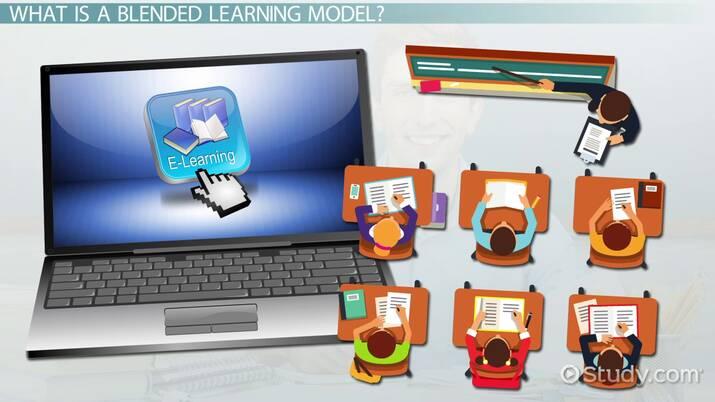
Blended learning is an educational approach that merges face-to-face instruction with online learning experiences. Unlike fully online or strictly in-person methods, it leverages the advantages of both, allowing learners and educators to maximize engagement, flexibility, and personalized learning.
common blended learning models include:
- Rotational Model: students rotate between stations, including digital activities and teacher-led sessions.
- Flex Model: Majority of learning occurs online, but teachers provide onsite support as needed.
- Flipped Classroom: Students learn new content online at home and practice or discuss concepts in the classroom.
- Enriched Virtual Model: Primarily online learning mixed with occasional face-to-face sessions.
Each model emphasizes a different mix of traditional education and digital learning tools to create a personalized, student-centric experience.
How Do Traditional and Digital Education Complement Each other?
Blended learning harnesses the best of both worlds:
- Human Interaction: Face-to-face time helps foster collaboration, interaction, and social skills.
- Technology Integration: Digital platforms empower students with interactive resources,multimedia content,and instant feedback.
- Personalization: Online learning adapts to students’ pace and level, while teachers provide real-time support and motivation.
- Active Learning: Combining group projects, hands-on activities, and on-demand digital lessons helps accommodate different learning styles.
By utilizing a blend of traditional and digital education, instructional delivery becomes flexible, scalable, and more accessible to diverse learners.
Benefits of Blended Learning
Embracing blended learning comes with a host of advantages for students, teachers, and educational institutions alike:
- Enhanced Student Engagement: interactive online content and collaborative in-person activities keep students motivated.
- Improved Learning Outcomes: Research shows that students in blended environments frequently enough perform better than those in purely traditional or online settings (source).
- Flexible Scheduling: Students can access materials from anywhere, at any time, accommodating different needs and lifestyles.
- Cost Efficiency: Schools can save on resources by utilizing digital content, reducing the reliance on physical textbooks and materials.
- Data-Driven Assessment: Digital platforms provide analytics for real-time feedback and personalized instruction.
- Scalability: Blended models make it easier to reach remote students or handle larger groups without compromising quality.
Case Studies: Blended learning in Action
case Study 1: K–12 School District Transformation
In a mid-size US school district, educators implemented the flipped classroom model.Teachers recorded video lectures which students watched at home, then used classroom time for hands-on projects and personalized assistance. The district saw a remarkable 30% betterment in test scores and greater participation in discussions.
Case Study 2: blended Learning in Higher Education
A university adopted blended learning in its psychology department, offering online modules alongside in-person workshops. Surveys revealed that students felt more confident and reported better retention of course material, attributing success to the ability to revisit online lectures and engage actively with peers during workshops.
Case Study 3: Vocational and Workplace Training
A manufacturing company enhanced employee training by mixing live seminars with interactive e-learning modules. Employees appreciated the flexibility and reported higher knowledge retention, while the company benefited from reduced training costs and improved compliance.
Practical Tips for Implementing Blended Learning
Thinking about introducing blended learning in your school, university, or workplace? Here are practical tips to ensure a successful rollout:
- Start With Clear Objectives: Define your educational goals and the skills you want learners to acquire.
- Choose the Right Technology: Pick platforms and tools suited to your teaching style and students’ needs (e.g., WordPress LMS plugins, Google Classroom, Moodle).
- Balance In-Person and Online Components: ensure that each mode complements, rather than replaces, the other.
- Provide Training: Support teachers and students as they adapt to new technology and blended workflows.
- Monitor Progress: Use data analytics to track engagement and learning outcomes, making adjustments as needed.
- Encourage feedback: Foster open communication to continuously improve your blended learning programme.
A Teacher’s Perspective: First-Hand Experience
“When my school introduced blended learning, I was skeptical at first.But integrating technology with traditional teaching has transformed my classroom. Students are more engaged, and I’ve been able to spend more time supporting those who need the extra help. The key is finding the right balance and being open to adapting as you go.”
– jane D., High School Science Teacher
Frequently Asked Questions (FAQs) About Blended Learning
- Is blended learning only for tech-savvy schools? No. Many blended learning tools are user-kind, and schools can start small with simple digital resources.
- does blended learning mean less face-to-face interaction? Not necessarily – it’s about enhancing, not replacing, teacher-student engagement.
- What challenges should I expect? Some challenges include training staff, ensuring equitable access to technology, and finding the right blend of online and offline activities.
- Is blended learning effective for all ages? Yes, with the right mix of resources and teaching strategies, blended learning can benefit learners from elementary school to adult education.
Conclusion: The Future of Education is Blended
Blended learning is reshaping how we think about education, combining the best facets of traditional teaching and digital innovation. As technology continues to evolve and demand for flexible learning grows,blended education offers a proven pathway to better engagement,improved outcomes,and a more inclusive learning experience.Embracing this approach means preparing students and professionals for success in a digital-first world—without losing the crucial human touch.
Whether you’re an educator, student, administrator, or lifelong learner, understanding and adopting blended learning can unlock new opportunities for growth and achievement.The future is hybrid—are you ready to join the evolution of modern education?