
Blended Learning: How Combining Traditional and Digital Education Maximizes Student Success
In today’s fast-paced, technology-driven world, educators and learners alike are seeking teaching methods that not only maximize student success but also cater to diverse learning styles. Blended learning, the innovative combination of traditional face-to-face instruction and digital education, has rapidly emerged as a transformative approach in schools, universities, and corporate training programs.this comprehensive guide delves into the key benefits, practical implementation strategies, and real-life impact of blended learning while providing actionable tips for educators seeking to optimize student outcomes.
What is Blended Learning?
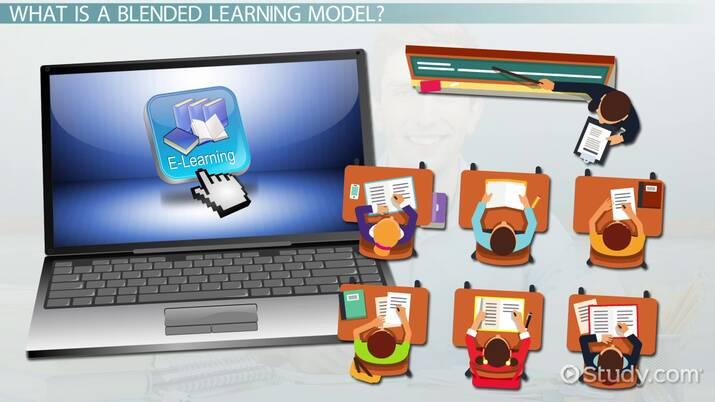
Blended learning—also known as hybrid learning—refers to an educational approach that thoughtfully merges classroom teaching methods with online learning experiences. Instead of choosing between traditional in-person classes and digital, self-paced modules, blended learning offers the best of both worlds. Students benefit from live teacher guidance, social engagement, and real-time feedback, while also enjoying the flexibility and personalized learning opportunities provided by digital tools and online resources.
- Traditional classroom elements: Teacher-led instruction, collaborative projects, synchronous discussions, and hands-on activities.
- Digital education tools: E-learning platforms, online quizzes, video lessons, forums, and interactive simulations.
Common Blended Learning Models
- Rotation Model: Students cycle between face-to-face instruction and digital activities on a fixed schedule.
- flex Model: Online learning is the primary mode, with teachers providing on-site support as needed.
- Lab Model: Students attend traditional classes and spend designated time in computer labs for online learning.
- Flipped Classroom: Direct instruction is delivered outside class (e.g., via video lectures), with classroom time dedicated to interactive, higher-order learning.
Why Blended Learning Maximizes Student Success
Successfully combining traditional and digital education isn’t just a trend—its a proven method to enhance learning outcomes, satisfaction, and engagement among students.Below,we explore the core benefits that make blended learning a valuable educational approach.
1. Personalized Learning Experiences
- Online modules and adaptive software allow students to learn at their own pace and revisit challenging concepts as needed.
- Teachers can use data from digital platforms to identify learning gaps and tailor instruction or interventions accordingly.
2. Increased Student Engagement
- Varied learning activities (videos, interactive content, real-world tasks) keep students motivated and invested.
- Discussion forums and collaborative digital tools promote active participation—even for shy or introverted learners.
3. Flexible and Accessible Learning
- Students can access resources anytime, anywhere, reducing barriers for those with different schedules or learning needs.
- Blended environments easily accommodate absences or disruptions, keeping learning on track.
4. Growth of 21st-Century skills
- Blended learning fosters digital literacy, self-direction, critical thinking, and collaborative problem-solving skills necessary for future careers.
5. Data-Driven Instruction
- Educators receive real-time feedback on student progress via analytics dashboards, allowing for timely intervention and support.
6. Cost-Effectiveness and Scalability
- Schools and organizations can deliver high-quality instruction to larger groups with fewer resources, optimizing educational budgets.
Real-World Case Studies: Blended Learning in Action
Case Study 1: Flipped Classroom Conversion in High School Science
At a suburban high school, teachers implemented a flipped classroom model in chemistry classes. Class lectures were uploaded as short videos for students to watch at home, freeing up valuable class time for group projects, labs, and Q&A sessions. As a result, student test scores rose by 15%, and surveys indicated increased satisfaction and deeper conceptual understanding.
Case Study 2: University Language learning Goes Hybrid
A leading university revamped its introductory Spanish courses using the rotation model.Students alternated between in-person discussion sessions and online grammar modules. This approach allowed for more personalized feedback, while technology tracked student progress. Dropout rates fell, and language proficiency scores climbed substantially.
Case Study 3: Corporate Onboarding Using Blended Learning
A major tech company introduced blended learning for new employee onboarding. By mixing face-to-face mentorship with e-learning modules on policies and products, the company shortened onboarding time by 30% and improved employee retention.
Practical tips for Triumphant Blended Learning Implementation
For educators, administrators, or trainers eager to embrace the benefits of blended education, these tips can ensure a smooth and effective rollout:
- Set Clear Learning Objectives: Define goals for both online and offline activities to ensure alignment and continuity.
- Invest in User-Kind Technology: Choose platforms that are intuitive, scalable, and accessible for all learners.
- Foster Teacher Professional Development: Offer training sessions on digital tools, instructional design, and blended teaching strategies.
- Start Small and Iterate: Pilot blended learning in a few classes before scaling up, and continually gather feedback to refine your approach.
- Encourage Collaboration and Interaction: Blend synchronous and asynchronous communication—discussions, peer reviews, and group projects—to build a strong learning community.
- Monitor and Assess Regularly: Use data analytics and student feedback to adapt instruction and address emerging challenges.
First-Hand experience: Voices from the Blended Learning Classroom
”As a teacher, blended learning has transformed how I engage with students. I can focus class time on interactive activities, while online modules provide instant feedback and flexibility. Students feel empowered to take ownership of their learning journey.”
– Emily R., Middle School Math Teacher
“Being able to pause and rewatch lessons online really helped me. If I missed something in class, it was easy to catch up and not fall behind. The forums made me feel part of a learning community,even outside school hours.”
– Jordan S., High School Student
Overcoming Challenges in Blended Learning
While the advantages are clear, effective blended education requires overcoming certain challenges.Common issues include digital divide (lack of access to devices or reliable internet), teacher readiness, and resistance to change. Solutions include:
- Providing devices and internet access to underprivileged students through school initiatives or partnerships.
- Continuous professional development for educators to foster confidence with technology.
- Clear communication with parents and students about the benefits and structure of blended learning models.
Conclusion: The Future of Education is Blended
Blended learning stands at the intersection of tradition and innovation, unlocking new possibilities to maximize student success. By merging the strengths of in-person instruction with digital flexibility and analytics, blended education empowers both teachers and learners to reach their full potential.
Whether you’re an educator, school leader, or lifelong learner, embracing the principles and practices of blended learning can pave the way for a more engaging, accessible, and impactful educational journey. The future of education is not solely online or in a classroom—it’s blended,and it’s here to stay.
Share Your Blended Learning experiences
Have you implemented blended learning in your classroom or experienced it as a student? Share your stories and tips in the comments below!