
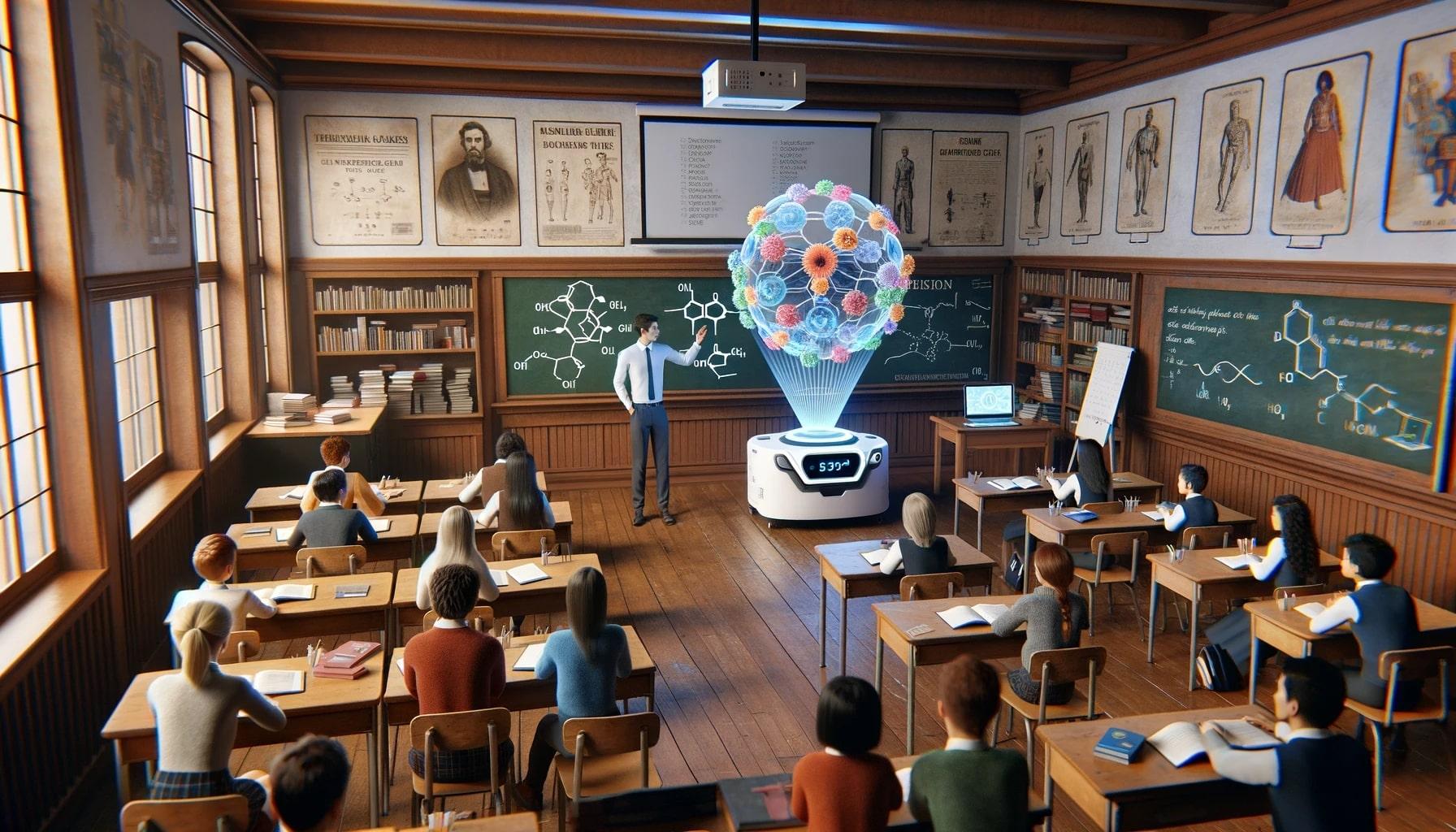
Blended Learning: How Integrating Traditional and Digital Education Transforms Classrooms
In todayS rapidly evolving educational landscape,blended learning has emerged as a powerful approach to teaching and learning.By combining the advantages of traditional face-to-face instruction with the flexibility of digital education tools, blended learning is revolutionizing classrooms across the globe. In this article, we’ll dive deep into what blended learning truly is, why it matters, and how it can dramatically enhance the educational experience for students and teachers alike.
What is Blended Learning?
Blended learning,sometimes called hybrid learning,is an educational strategy that merges conventional classroom teaching with online digital media. It gives students more control over the time, place, path, and pace of their learning, while maintaining the vital elements of in-person interaction and guidance.
Core features of blended learning include:
- Seamless integration of online and face-to-face instruction
- Personalized learning paths
- Flexible access to materials and resources
- Enhanced collaboration among students and teachers
The result? An enriched classroom experience that leverages the best of both worlds: traditional education’s interpersonal connections and the adaptive power of digital learning platforms.
Key Benefits of Blended Learning
Blended learning isn’t just a buzzword — it’s genuinely transforming how we teach and learn. Hear are some compelling benefits of blended learning for both students and educators:
For Students
- Personalization: Learning can be tailored to individual strengths and needs through adaptive technologies.
- Flexibility: Access content anytime, anywhere — perfect for diffrent learning paces and busy schedules.
- Engagement: Multimedia, interactivity, and game-based elements boost motivation and curiosity.
- Collaboration: Digital platforms make team projects and peer reviews easier and more dynamic.
- Mastery: self-paced modules enable students to review challenging topics as needed.
For Teachers
- Efficiency: Automated grading and assessment tools free up time for meaningful student interactions.
- Data-Driven Insights: Learning analytics help educators track student progress and adapt instruction quicker.
- Resource Variety: Access to a vast array of digital tools, simulations, and multimedia content enriches lessons.
- Professional Growth: Exposure to new methods and edtech fosters continuous teaching improvement.
How Blended Learning Transforms Classrooms
Integrating traditional and digital education doesn’t just enhance individual lessons — it transforms the classroom culture.Here’s how blended learning is reshaping the student-teacher dynamic and overall school environment:
Student-Centered Learning
In a blended classroom, students take a more active role. with autonomy over certain learning aspects, they become co-creators of their educational journey. This fosters ownership, critical thinking, and self-regulation skills.
Enhanced Engagement
Digital components add variety — from interactive videos and quizzes to discussion boards and virtual labs.This multimodality caters to diverse learning styles,improving engagement and retention.
Real-Time Feedback
Online assessments and analytics provide immediate feedback. Teachers can spot knowledge gaps and intervene promptly, ensuring no student falls behind.
parental Involvement
Many learning platforms offer parent portals. Families can monitor progress, communicate with teachers, and participate in the learning process more directly.
Popular Blended Learning Models
There’s no one-size-fits-all approach to blended learning. Schools and instructors choose the model that best suits their curriculum and students’ needs.Here are three widely adopted models in blended education:
- Rotation Model: Students rotate between different learning modalities, such as online lessons, teacher-led groups, and self-reliant practice.
- Flex Model: Most content is delivered digitally, but students come to a classroom for personalized support, projects, or collaborative work.
- Flipped Classroom: Students learn new concepts at home via video or online resources,then practice and discuss them in class under teacher guidance.
Practical Tips for Effective Blended Learning
Thinking about adopting a blended approach in your classroom? Here are some actionable tips for teachers, administrators, and schools to ensure a smooth and effective transition:
- Start Small: Integrate digital elements gradually. Begin with one or two online resources before scaling up.
- Choose the Right Tools: Pick reliable and user-amiable platforms that align with curriculum goals (e.g., Google Classroom, Moodle, Edmodo, or Canvas).
- Prioritize Communication: Set clear expectations for students about participation and deadlines, both online and offline.
- Emphasize digital Literacy: Teach students how to navigate online tools, evaluate sources, and manage their digital workload.
- Be Flexible: Adapt strategies based on ongoing feedback and assessment data.
- Foster Community: Use discussion forums, group projects, and video calls to maintain social interaction and support.
Case Study: Blended Learning in Action
Let’s consider the example of a high school science class embracing the flipped classroom model. Here, the teacher records short lectures for students to watch at home via a learning management system. Class time is devoted to hands-on experiments, group analysis, and personalized coaching.
Results:
- Higher engagement, as students arrived prepared and eager for active learning.
- Improved achievement, with more students mastering topics at their own pace.
- Stronger classroom community, as group work and discussions fostered collaboration and support.
This example demonstrates how blended teaching methods can create a supportive and effective educational environment.
Challenges and Solutions in blended Education
like any educational innovation, blended learning has its hurdles. Common challenges include technology access gaps, resistance to change, and the need for ongoing teacher training. Here’s how schools and educators can overcome these obstacles:
- Technology Access: Provide loaner devices or Wi-Fi hotspots for students lacking resources.
- Teacher Support: Offer professional progress, peer mentoring, and time for learning new tools.
- Student Motivation: Build engaging, relevant digital content and give regular feedback.
- Parental Guidance: Educate parents on how to support learning at home and navigate digital platforms.
Consistent communication and a commitment to refining blended practices help schools maximize the impact of this approach.
First-Hand Perspectives: Educators and Students Speak
“Blended learning transformed my teaching. I can now spend class time diving deeper, answering questions, and guiding group projects rather than just lecturing.”
Maria L., High School Math Teacher
“I like that I can review lessons online if I miss something in class. The digital quizzes also make practicing way more fun.”
Jordan S., 10th grade Student
Real stories highlight how blended learning’s mix of structure and flexibility can spark excitement and achievement.
Conclusion: Blended learning and the Future of Education
As schools seek innovative ways to prepare students for a diverse, digital future, blended learning stands out as a transformative educational approach. By thoughtfully integrating digital tools with traditional classroom methods, blended learning empowers teachers, engages students, and builds lifelong learning skills. as technology evolves,the blended model will continue to enhance educational possibilities,making classrooms more flexible,effective,and inspiring than ever before.
Ready to embrace the blend? Start small, stay supportive, and watch as your classroom transforms — one lesson at a time.