
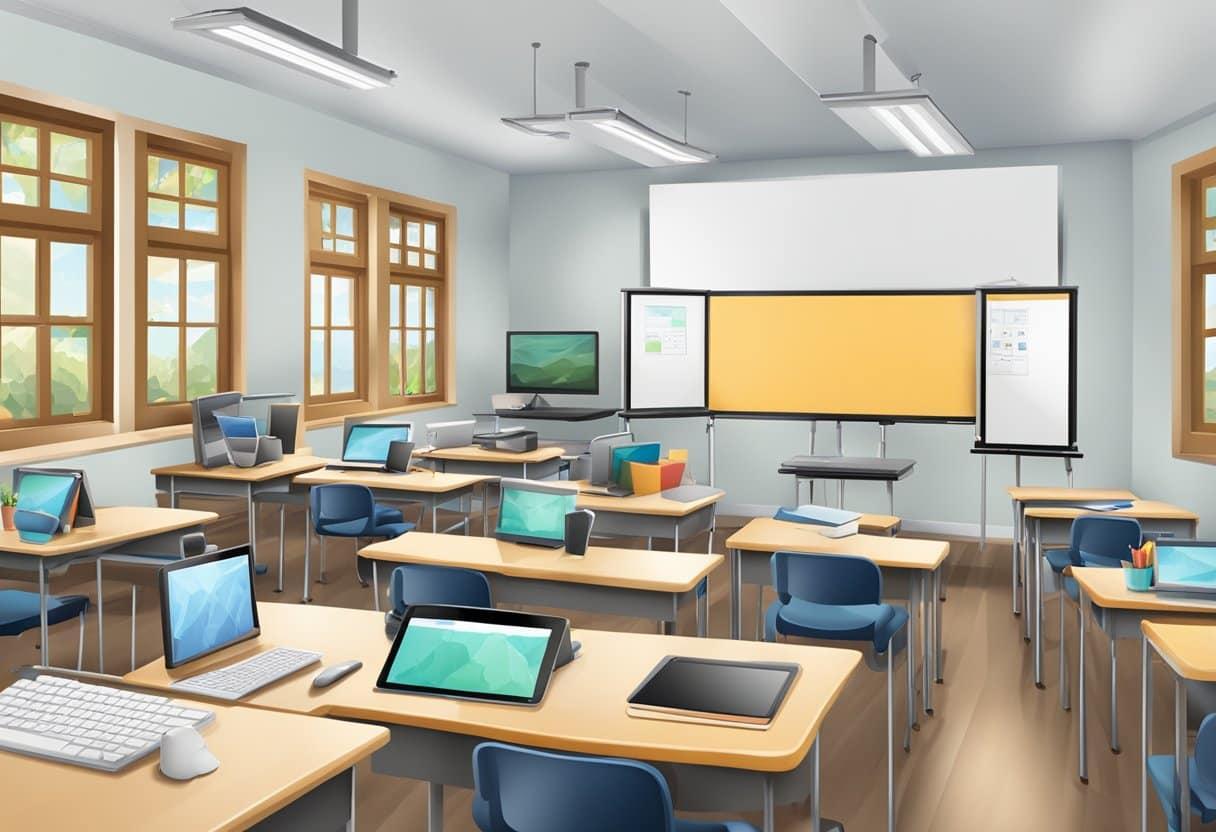
Blended Learning: How Integrating Traditional and Digital Education transforms the Classroom
Blended learning is more than a buzzword—it’s a powerful educational model reshaping classrooms around the world. By skillfully merging face-to-face teaching methods with innovative digital education tools, blended learning bridges the gap between traditional schooling and modern technology. This hybrid approach is driving a classroom transformation, making learning more personalized, flexible, and engaging for both educators and students.
What Is Blended Learning?
Blended learning, also known as hybrid learning, seamlessly combines traditional classroom instruction with online learning activities. Rather than replacing in-person teaching, it enhances it by incorporating digital resources, interactive platforms, and technology-driven exercises.
- Face-to-face instruction: Classic classroom activities, lectures, and discussions.
- Online learning: Access to digital content, collaborative platforms, video lessons, and self-paced learning tools.
- Integration: These modalities are orchestrated to create a cohesive and enriched learning experience.
Why Is Blended Learning Gaining Popularity?
The rise of digital education tools and increased access to technology have accelerated the adoption of blended learning globally.Schools, colleges, and universities recognize that students need 21st-century skills such as digital literacy, critical thinking, and self-directed learning to succeed in a rapidly evolving world.
- Blended learning provides versatility, enabling students to learn at thier own pace.
- It makes education more accessible and inclusive.
- It empowers teachers to use personalized teaching strategies and up-to-date content.
Benefits of Blended Learning in the Classroom
Integrating traditional and digital education methods offers a range of critically important advantages:
- Personalized Learning: Teachers can tailor lessons and assignments to individual student needs, offering additional resources or alternative learning paths as required.
- Enhanced Engagement: Interactive multimedia, gamified quizzes, and virtual discussions spark interest and motivation.
- Improved Collaboration: Online forums and collaborative tools help students connect,share ideas,and work together outside the classroom.
- Instant Feedback: Digital assessments often provide immediate feedback, allowing for rapid adjustments in learning strategies.
- Practical Tech Skills: Students develop vital digital skills essential for higher education and future careers.
- Efficient Use of Teacher time: Automation of routine assessments and data analytics allows teachers to focus on meaningful student interactions.
Popular Blended Learning Models
While the core principle remains the same, there are several models of blended learning that cater to different educational contexts:
- Flipped Classroom: students engage with instructional content online outside class, then apply their knowledge through activities and discussions during classroom sessions.
- Rotation Model: learners rotate between stations that may include online learning, small group work, and individual instruction.
- Flex Model: most coursework is delivered online, but teachers are available for on-site support and enrichment.
- Enriched Virtual Model: Mixes digital instruction with occasional face-to-face sessions for collaboration and support.
Transforming Teaching practices
The integration of blended learning transforms the role of teachers from lecturers to facilitators, mentors, and co-learners. Instructors curate digital content, guide students’ independent exploration, and use analytics to identify learning gaps in real time.
“Blended learning gave me the ability to reach every student at their own pace. I can now spend more classroom time supporting struggling learners,while advanced students can accelerate on their own,” says Maria Sanchez,a high school science teacher in Texas.
Teachers benefit from professional growth opportunities and peer collaboration on edtech platforms. The focus shifts from rote content delivery to fostering higher-order thinking, creativity, and dialog—skills vital for the modern workforce.
Case Study: Blended Learning in Practise
Case: Oakwood High School’s Math Department
Oakwood High School implemented a blended learning approach in its math department. Teachers used an online platform for video lessons, interactive quizzes, and immediate automated feedback.
- In-class time was devoted to group problem-solving,peer instruction,and addressing misconceptions.
- Test scores increased by 17% in a single year.
- Students reported higher engagement and greater confidence in math concepts.
This example highlights the real-world impact of combining traditional teaching with digital education tools.
Practical Tips for Successful Blended Learning Implementation
Whether you’re an educator, administrator, or parent, these tips can help make blended learning successful:
- Select the Right Tools: Choose reliable Learning Management systems (LMS) and digital platforms that are user-friendly and support your educational goals.
- Start Small: begin with a single subject or unit before scaling up across the curriculum.
- Invest in Training: Ensure teachers and students receive adequate training to maximize the benefits of digital education.
- Balance Screen time: Design learning plans that alternate between online and offline activities to prevent fatigue.
- Encourage Feedback: Create channels for students and parents to share their experiences and suggestions for improvement.
- Monitor and Adjust: Use analytics and student performance data to refine your blended learning strategy over time.
Challenges and solutions in Blended Learning
While the benefits of blended learning are considerable, implementation does pose some challenges:
- Access to Technology: Not all students have reliable devices or internet. Schools can address this via device loan programs and campus Wi-Fi hotspots.
- Teacher Readiness: Professional development and ongoing support are critical for educators new to digital education.
- Student Self-Motivation: Encourage goal-setting, offer regular check-ins, and foster a community of support.
- Data Privacy: Choose platforms that comply with privacy standards and educate families on safe digital practices.
How Blended Learning Transforms the Classroom
The integration of traditional and digital education transforms the classroom in several impactful ways:
- Classroom Layout: Flexible seating arrangements and learning stations replace rows of desks, promoting collaboration and movement.
- Teacher Roles: Teachers act as guides and coaches, steering discussions and providing individualized support instead of solely delivering lectures.
- Student agency: Students take more responsibility for their learning journey, making choices about how and when to engage with materials.
- Assessment: Ongoing formative assessment replaces the one-size-fits-all test, providing teachers with actionable insights.
Conclusion: Embracing the Future with Blended Learning
Blended learning isn’t just a fleeting trend—it’s a enduring approach to education that prepares students for success in a digital world. By integrating the strengths of traditional and digital education, schools can cultivate engaging, relevant, and meaningful learning experiences.
As technology continues to evolve, so too will blended learning models. Educators willing to embrace innovation and adaptability will led the way in transforming classrooms for the better. Ready to start your blended learning journey? With the right strategies, tools, and mindset, the transformation of education is well within reach.