
Blended Learning: How to Combine Traditional and Digital Education for Better Results
The education landscape is evolving at an unprecedented pace. With rapid advancements in technology, schools and universities are constantly seeking new ways to enhance learning experiences and outcomes. Among the most promising innovations is blended learning—a teaching approach that skillfully combines traditional classroom methods with the latest digital education tools. In this article, we’ll explore what blended learning is, its key benefits, practical implementation tips, and how this dynamic strategy can help students achieve better results.
What is Blended Learning?
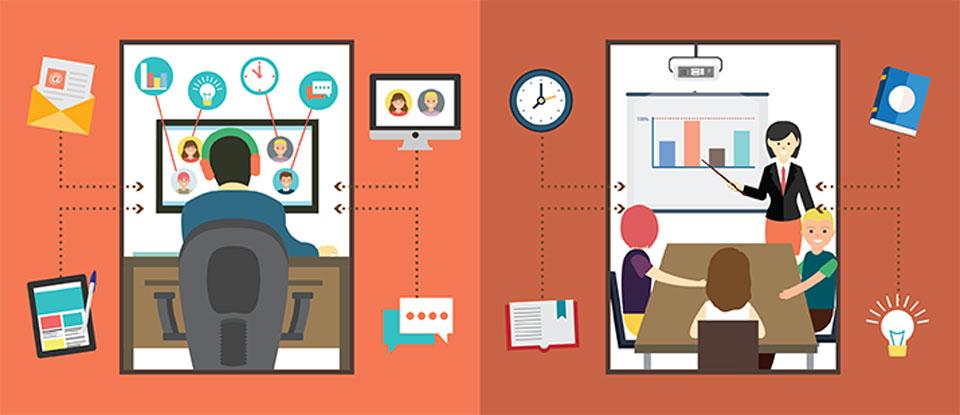
Blended learning, sometimes called hybrid learning, integrates face-to-face teaching with online learning activities and resources. Instead of relying solely on lectures, textbooks, or e-learning modules, blended learning leverages the strengths of both traditional and digital instruction to create a more flexible, adaptive, and engaging educational habitat.
- Traditional Education: In-person lessons, group activities, direct teacher-student interaction.
- Digital Education: Online courses, interactive videos, virtual simulations, collaborative platforms, educational apps.
By fostering a seamless blend, this approach empowers educators to personalize content, encourage collaboration, and cater to diverse learning styles.
Benefits of Blended Learning
Educators, students, and parents are discovering a wealth of benefits from blending traditional and digital education:
- Personalized Learning: Students can progress at their own pace, revisit digital resources, and receive differentiated support.
- Increased Engagement: Interactive multimedia content, gamified lessons, and collaborative tools boost motivation and participation.
- Flexible Scheduling: Blended learning supports asynchronous and synchronous activities, allowing for more adaptable lesson plans.
- Enhanced Collaboration: Digital platforms connect students, teachers, and peers, enabling group projects and discussions beyond classroom walls.
- Improved Outcomes: studies show that blended learning can lead to higher retention rates, better understanding, and increased student success.
- Cost Effectiveness: Reduces the need for physical resources and leverages scalable digital tools.
According to a 2020 meta-analysis by the U.S. Department of Education, students in blended learning environments often outperform those in exclusively traditional settings.
Blended Learning Models
Not all blended learning environments are the same. Educators can choose from several models depending on curriculum goals,resources,and student needs. Here are the most popular approaches:
- Rotation Model: Students rotate between in-person instruction and online activities, either in stations, labs, or by schedule.
- Flipped Classroom: students study new material outside class (via videos or e-learning) and use classroom time for discussions, problem-solving, and application.
- Flex model: most learning takes place online with teachers providing support and face-to-face guidance as needed.
- Enriched Virtual Model: combines periodic in-class sessions with predominantly online coursework.
Choosing the right model depends on your educational context and goals. The key is to adapt and refine the blend for optimal student engagement and success.
Practical Tips for Implementing blended Learning
Successfully integrating traditional and digital education requires thoughtful planning and a willingness to adapt. Here are some expert tips to help educators and institutions get started:
- Set Clear Learning Objectives: Define what you want students to know and be able to do after each lesson or unit.
- Choose Appropriate Technology: Select user-friendly platforms and tools that support your curriculum and teaching style (e.g., Google Classroom, Moodle, Edmodo).
- Balance Online & Offline activities: Combine lectures, hands-on projects, and online modules to reinforce key concepts.
- Promote interaction: Use discussion boards, chat, and video conferencing to encourage active participation and collaboration.
- Monitor Progress: Employ digital assessments, quizzes, and analytics to track student understanding and adjust instruction as needed.
- Support Teacher Training: Invest in professional progress to ensure educators are confident using new technologies and blended learning strategies.
- Gather Feedback: Regularly solicit input from students and parents to improve the blended learning experience.
Case Studies: Blended Learning in Action
Real-world examples demonstrate how blended learning transforms teaching and learning across diverse settings:
1. K-12 Schools: Pine Valley Middle School
After introducing a rotation model, Pine valley saw improvements in student engagement and test scores. Teachers used digital platforms for homework and group work, while reserving in-person sessions for interactive lessons and labs.
2. Higher Education: State University Online Programme
A complete flipped classroom approach enabled students to review course materials before attending live, discussion-based seminars. As an inevitable result, classroom time was transformed into collaborative problem-solving sessions, leading to higher student satisfaction and deeper learning.
3. Corporate Training: Tech Innovations Inc.
By shifting onboarding from traditional PowerPoint presentations to a blended model—featuring e-learning modules, video tutorials, and hands-on workshops—the company accelerated employee readiness and boosted retention.
First-Hand Experience: A Teacher’s Perspective
“Implementing blended learning in my high school classroom was a game-changer,” shares Amanda Lee, a science teacher with 10 years of experience. “Digital resources allowed my students to engage with the material outside of class and come prepared for hands-on experiments. I could personalize feedback and see real-time data on their progress. The result? Happier students and significantly improved test scores.”
Overcoming Challenges in Blended Learning
While blended learning offers many advantages, it can also present certain challenges:
- Digital Divide: Not all students have equal access to devices or internet at home. Schools should provide resources or alternatives to bridge this gap.
- Teacher Readiness: Continuous training and support are essential for educators to confidently integrate technology.
- Quality assurance: Regularly evaluate and update digital content to ensure alignment with learning objectives.
- Student Accountability: Implement regular check-ins and clear guidelines to keep learners motivated and engaged.
Proactive planning, open dialog, and a growth mindset are crucial for overcoming thes obstacles and unlocking the full potential of blended learning.
Conclusion: Blending for Success
Blended learning is reshaping how we approach education in the digital age.By fusing the best aspects of traditional face-to-face instruction with powerful digital tools, teachers can create an engaging, flexible, and effective learning environment. Whether you’re an educator, parent, or lifelong learner, embracing blended learning strategies can definitely help unlock better results and brighter futures.
Ready to take the next step? Start small, experiment with different blended learning models, and watch as student engagement and achievement soar. the future of education is not just digital or traditional—it’s the perfect blend of both.