
Blockchain and Credential Verification: How Blockchain Technology is Revolutionizing Qualification Validation
Introduction
In today’s digital age, verifying academic, professional, and personal qualifications is more important than ever. Conventional methods of credential verification are often slow, prone too errors, and susceptible to fraud. Blockchain technology is stepping in to revolutionize qualification validation, promising unprecedented levels of security, efficiency, and trust. In this article,we’ll explore how blockchain for credential verification works,the advantages it offers,real-world applications,and practical tips for organizations considering this innovative approach.
What Is Blockchain Credential Verification?
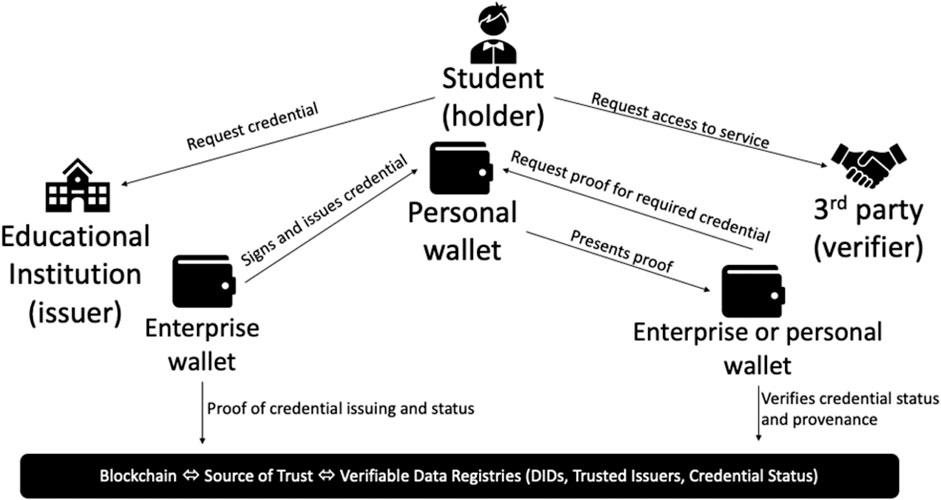
Blockchain credential verification utilizes distributed ledger technology to securely store, manage, and validate qualifications. Essentially,credentials such as diplomas,certifications,licenses,and employment records are issued and recorded on a blockchain network,making them immutable and easily accessible for verification.
Here’s how it effectively works:
- Issuance: Institutions issue digital credentials and record them on the blockchain.
- User Access: Individuals receive a unique digital credential, often accessible through a secure app or platform.
- Verification: Third parties can instantly validate these credentials using the publicly available blockchain database.
- Immutability: Records on the blockchain cannot be altered or tampered with,ensuring trust and authenticity.
Benefits of Blockchain in Qualification Validation
Integrating blockchain technology in qualification validation has several compelling advantages:
- Security: Credentials stored on the blockchain are cryptographically protected,reducing the risk of data breaches and fraud.
- Clarity: All transactions and edits are permanently recorded, offering full traceability for credential audits.
- Efficiency: Eliminates manual verification processes and speeds up hiring,admissions,and onboarding workflows.
- Cost Savings: Reduces administrative overhead and eliminates intermediary costs.
- Global Accessibility: Credentials are accessible anywhere in the world, facilitating international employment and education.
- Ownership & Privacy: Individuals control access to their credentials, ensuring privacy and data sovereignty.
How Blockchain Technology is Changing Credential Verification
The shift from paper-based and centralized digital credential verification to a decentralized blockchain-based system marks a paradigm change. Here are some key ways:
- Decentralization: Without a central authority, records are dispersed across multiple nodes, enhancing system robustness.
- Smart Contracts: Automated processes using smart contracts streamline credential issuance and verification.
- Trustless Environment: Verifiers don’t need to trust a central body; the blockchain itself acts as a trust anchor.
- Cross-Border Validation: Facilitates instant recognition and validation of qualifications for immigrants and global job seekers.
Real-World Applications & Case Studies
Blockchain-based credential validation is already making waves in industries such as education, healthcare, and human resources. Let’s explore some notable applications and case studies.
1.Education sector
- MIT Media Lab: MIT’s Digital Certificates Project issues blockchain-based diplomas, allowing graduates to share verifiable digital credentials with employers.
- Learning Machine: In partnership with governments and educational institutions, Learning Machine enables decentralized issuance and verification of degrees.
2. Healthcare Credentialing
- ProCredEx: This platform uses blockchain to validate and manage healthcare professionals’ credentials,improving efficiency and reducing fraud.
3. Corporate Hiring
- IBM Blockchain: IBM’s Talent & Change service uses blockchain to verify employee qualifications, making background checks faster and more secure.
- APPII: An employment-focused blockchain platform that aids companies in verifying candidates’ educational and career history.
First-Hand Experience: A Recruiter’s Perspective
“Blockchain has wholly transformed how we approach reference and credential checks. What used to take several weeks can now be completed in minutes, and the integrity of the data is beyond challenge. Our organization is now able to hire global talent with confidence and speed.”
— HR Manager, Global tech Firm
Practical Tips for Implementing blockchain Credential Verification
Interested in deploying blockchain technology for credential verification in your organization? Here are some practical steps to get started:
- Assess Your Needs: start by identifying the types of credentials you wish to digitize and verify.
- Choose the Right Platform: Research established blockchain solutions tailored for credentialing,such as blockcerts, Learning Machine, or custom-built enterprise solutions.
- Integrate with Existing Systems: Work with IT to ensure seamless integration between blockchain-based verification and current HR or admissions platforms.
- Pilot & Scale: Run pilot projects, gather feedback, and expand gradually to full deployment.
- Educate Stakeholders: Provide training for staff and users, highlighting the benefits and addressing data privacy concerns.
- Stay Compliant: Ensure your blockchain solution adheres to regional privacy laws, such as GDPR in Europe or HIPAA in the U.S.
Future Trends in Blockchain-Based Credential Validation
As blockchain credentials gain traction,we can expect several exciting trends:
- Increased Adoption: More universities,corporations,and governments will adopt blockchain for secure and instant verification.
- Diverse Credential Types: expansion beyond academic degrees to professional certifications,licenses,micro-credentials,and even personal achievements.
- Integration with AI: Artificial intelligence combined with blockchain will automate and enhance verification processes.
- Interoperability: Emerging standards will make blockchain credentials universally readable across platforms.
- Empowered Individuals: Users will control a portable, digital “credential wallet,” streamlining career progression and lifelong learning.
Conclusion
Blockchain technology is revolutionizing credential verification, offering a secure, efficient, and transparent solution to qualification validation. By leveraging distributed ledgers, smart contracts, and cryptography, organizations can dramatically reduce fraud, speed up onboarding, and empower individuals with ownership over their credentials.
As industries and educational institutions worldwide embrace blockchain-powered credentialing, the future promises a more trusted and borderless landscape for qualification validation. now is the perfect time for organizations to explore blockchain solutions and stay ahead in the rapidly evolving world of digital identity and credential verification.