
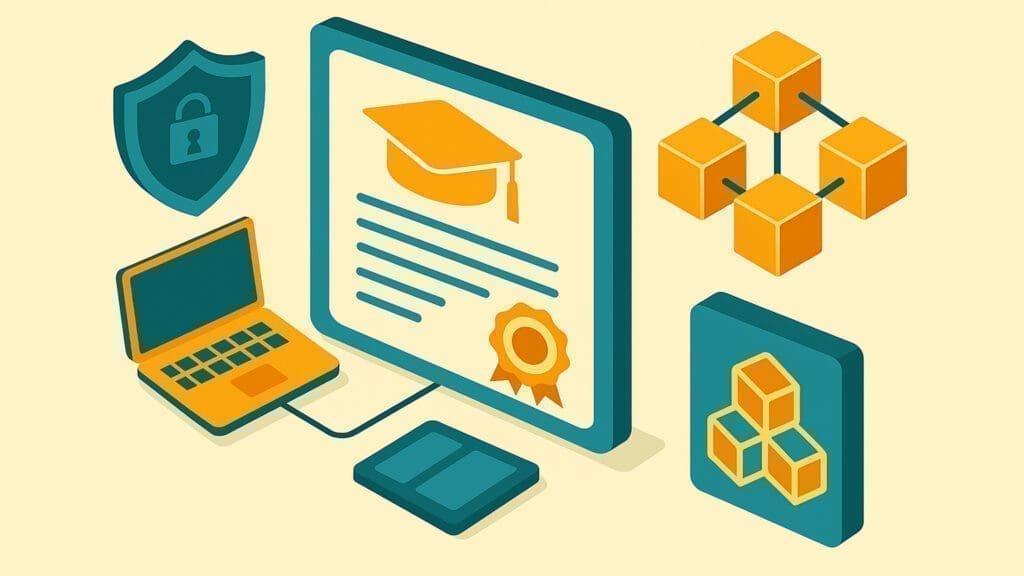
Blockchain in Credential Verification: How Blockchain is Revolutionizing Qualification Authentication
In an increasingly digital world, the authenticity of academic and professional qualifications is more critical than ever. Diploma mills, resume fraud, and the cumbersome process of credential verification have made it difficult for employers, institutions, and individuals to trust customary methods. Enter blockchain in credential verification—a game-changing technology rewriting the rules of qualification authentication. In this article, we explore how blockchain technology is transforming how credentials are issued, shared, and verified, ensuring unparalleled security, openness, and efficiency.
Understanding credential Verification and Its Challenges
Credential verification is the process of confirming the validity of academic degrees,certificates,licenses,and other qualifications claimed by a person.Though, the existing systems face several challenges:
- Manual Processing: Traditional verification frequently enough involves paperwork, third-party calls, or emails, costing time and resources.
- Fraudulent Documents: Counterfeit diplomas and certificates are easily available and hard to detect.
- Lack of Standardization: Credentials are issued in varied formats, making cross-border recognition and assessment difficult.
- Data Privacy Concerns: Sharing personal facts for verification can pose privacy risks.
These hurdles not only slow down recruitment and admissions but also undermine trust across educational and professional landscapes.
How Blockchain Technology Works in Credential Verification
At its core, blockchain is a decentralized digital ledger, recording data across a network of computers in a secure and immutable way. In the context of credential verification, the blockchain can be leveraged to:
- Issue tamper-proof digital credentials directly onto the blockchain.
- Allow instant and permissioned verification by employers or other institutions.
- Enable individuals to control and share their credentials without intermediaries.
- Ensure the data cannot be altered or deleted, supporting long-term trust.
Since credentials recorded on blockchain are cryptographically signed, forgery becomes virtually impossible, making the technology ideal for secure qualification authentication.
Top Benefits of Using Blockchain for Qualification Authentication
Implementing blockchain for credential verification brings several transformative benefits:
- Enhanced Security: Credentials are encrypted and immutable, drastically reducing risks of tampering and fraud.
- Instant Verification: Third parties (like employers) can verify qualifications instantly, eliminating manual processes.
- Greater Transparency: Every step—issuance, sharing, verification—is visible and traceable.
- User Empowerment: Holders control who accesses their credentials, protecting their privacy.
- Global Accessibility: digital records are accessible anywhere, anytime, facilitating cross-border recognition.
- cost Efficiency: Automation reduces administrative costs for both organizations and individuals.
- long-term Storage: Blockchain preserves credentials for decades without risk of data loss.
Notable Use Cases and Real-World Examples
1. Academic Institutions
MIT and several other universities now issue digital diplomas using blockchain-based platforms like blockcerts. Graduates recieve a cryptographically signed digital degree, which can be directly shared with employers. this ensures that only authentic,unaltered credentials are in circulation.
2. Professional Licensing
Licensing bodies in healthcare and finance are adopting blockchain to issue and track licenses. This prevents unqualified individuals from practicing and streamlines the renewal process.
3. Recruitment Platforms
APPII and other blockchain-powered platforms allow jobseekers to showcase verified qualifications and work histories, enabling employers to instantly validate claims—a massive advantage in reducing CV fraud and hiring delays.
First-Hand Experience: Blockchain Credential Verification in Action
“As a university administrator, moving diploma issuance to a blockchain solution changed our workflow entirely. Verification requests dropped by over 80%, and students where able to share secure digital certificates with employers promptly after graduation. Our alumni are universally positive about the privacy and control gained with blockchain credentials.” — Jane Mehta, Registrar, TechCentral University
Similarly, HR professionals report ample reductions in onboarding times and improved trust in candidates’ data when leveraging blockchain-powered background checks.
Practical Tips for Implementing Blockchain Credential Verification
- Choose a Trusted Solution: Institutions should partner with reputable blockchain providers like Blockcerts, Learning Machine, or Hyland Credentials.
- Adopt Open Standards: Look for platforms supporting open standards (like W3C Verifiable Credentials) to ensure compatibility and scalability.
- Educate Stakeholders: Hold workshops for staff, students, and employers to raise awareness about managing and verifying blockchain-based credentials.
- Prioritize Security: Ensure the chosen blockchain network has robust security protocols and compliance with regulations (GDPR, FERPA).
- Start with Pilots: Begin with pilot programs for select courses or departments to gather feedback and refine workflows before full-scale rollout.
Future Outlook: Blockchain and the Evolution of Credential Verification
The future of blockchain in qualification authentication is incredibly promising. As more organizations and governments recognize its potential, we can expect:
- Integration with digital IDs and decentralized identity wallets
- Global, lifelong learning records on blockchain
- Increased adoption in cross-border recruitment and international student admissions
- Automation of compliance for regulated industries
- Expansion to non-traditional learning: bootcamps, online courses, and micro-credentials
Amid ongoing adoption, standardization and interoperability will be vital to realizing blockchain’s full value in credential verification.
Conclusion
Blockchain is rapidly revolutionizing the world of credential verification and qualification authentication. Its potential to cut thru inefficiency, fraud, and privacy concerns positions it as the new gold standard for how we issue, manage, and validate qualifications. Whether you’re an employer, educator, or professional, understanding this transformation is crucial. By adopting blockchain for credential verification, we create a future that’s not only smarter and faster but also more secure and trustworthy.
Ready to unlock the power of secure, transparent, and instant qualification authentication? The blockchain revolution in credential verification is here—and it’s changing the way the world recognizes achievement.