
Blockchain in Credential Verification: How Blockchain Technology is Revolutionizing Qualification Authentication
In today’s digital-driven world, the need for reliable, secure, and efficient credential verification is greater than ever. Employers, educational institutions, and individuals face growing challenges in verifying academic, professional, and personal qualifications.Enter blockchain technology—a disruptive innovation poised to transform qualification authentication into a faster, tamper-proof, and clear process. This article delves into how blockchain is revolutionizing the space, the myriad benefits it offers, real-world case studies, and actionable implementation tips.
Understanding Blockchain Technology in Credential Verification
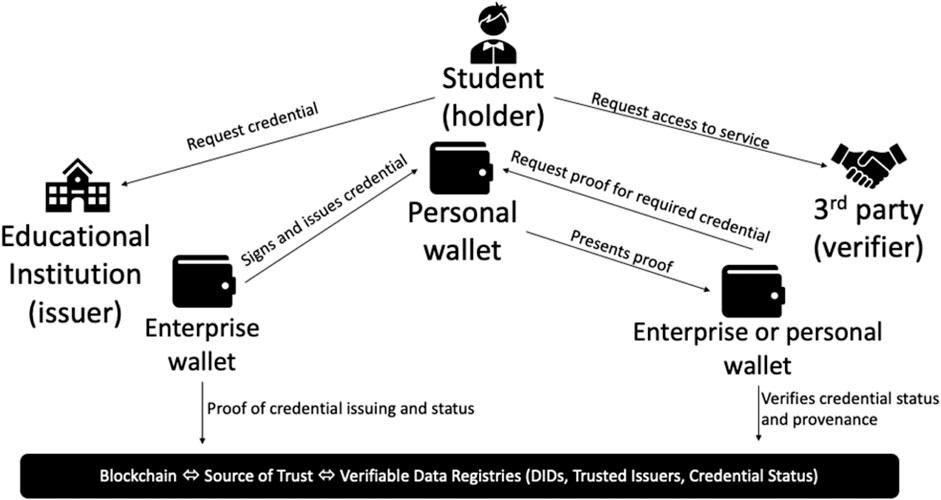
Blockchain is a decentralized digital ledger that records data across multiple computers, ensuring the information cannot be altered retroactively. When it comes to credential verification, blockchain technology provides a secure platform for storing and sharing academic or professional qualifications. With this approach, credentials become tamper-resistant and instantly accessible for verification.
Why Traditional Credential Verification Falls Short
- Manual verifications are time-consuming and often expensive
- Risk of fraudulent qualifications and forged documents
- Complexity due to cross-border checks for international credentials
- Lack of a unified, transparent, and trustworthy repository
Blockchain addresses these pain points by bringing automation, enhanced security, and global accessibility to the qualification authentication process.
How Blockchain Is revolutionizing Qualification Authentication
The adoption of blockchain in credential verification is not just a technological upgrade but a fundamental reimagining of how trust and transparency are established in the digital era. Here’s how blockchain is ushering in a new paradigm:
1. Immutability and Security
- Once a qualification is recorded on the blockchain, it is immutable—no one can alter or delete the entry.
- This prevents fraudulent claims and maintains the authenticity of credentials.
- Only authorized bodies (like universities or certifying agencies) can issue records, ensuring data integrity.
2. Instant Verification and Accessibility
- Employers, educational institutions, and third parties can instantly verify credentials from anywhere in the world.
- Individuals control access to their information, allowing them to grant or revoke permission as needed.
- Blockchain-based systems operate 24/7, eliminating delays and streamlining hiring or admissions processes.
3. Enhanced Privacy and data Control
- Personal data can be selectively shared, reducing the risk of privacy breaches.
- Decentralization ensures no single entity has total control, fostering trust and independence.
- User-centric design enables candidates to own and manage their digital credentials.
Key Benefits of Blockchain Credential Verification
Integrating blockchain in qualification authentication brings several meaningful advantages:
- Fraud Reduction: Blockchain’s tamper-proof nature eliminates forged degrees and certificates.
- Cost Efficiency: Automation minimizes manual checks and administrative costs.
- Faster Turnaround: Credentials are validated in real-time, saving time for candidates and organizations.
- Global Standardization: Worldwide protocols allow global compatibility and acceptance of credentials.
- Transparency: Every action is traceable and auditable, supporting regulatory compliance.
Case Studies: Real-World Blockchain Credential Verification Solutions
A growing number of pioneers are using blockchain for secure and efficient qualification authentication. Here are notable success stories:
1. MIT’s Digital Diploma Initiative
The Massachusetts Institute of Technology (MIT) leverages blockchain technology to issue digital diplomas via its “Blockcerts” system. graduates receive blockchain-secured certificates, which can be shared with employers and instantly verified worldwide—drastically reducing fraud and waiting times.
2. Learning Machine & Blockcerts
Learning machine, in partnership with Blockcerts, allows educational institutions to issue blockchain-anchored credentials. Students hold digital records in their mobile wallets and provide verifiers with swift-and-easy proof of authenticity.
3. Bahrain’s National Blockchain Verification System
the Kingdom of Bahrain developed a national platform for blockchain credential verification. The Ministry of Education uses it to validate academic qualifications, streamlining cross-border admissions and job placements.
Best Practices for Implementing Blockchain in Credential Verification
Organizations looking to adopt blockchain-based qualification authentication should consider the following tips:
- Choose Open Standards: Use widely adopted frameworks like Blockcerts to ensure interoperability.
- Engage Stakeholders early: Involve universities, certifying agencies, and employers in the design and rollout.
- Address Privacy Laws: Align blockchain solutions with GDPR and other data protection regulations.
- User Experience Is Key: Develop intuitive interfaces for candidates and verifiers alike.
- Pilot Projects: Start with a controlled pilot to identify and address technical or operational issues.
- Continuous Education: Train staff and end-users to maximize adoption and efficiency.
challenges and Considerations
While blockchain offers transformative benefits for credential verification, there are hurdles to widespread adoption:
- Scalability: Ensuring blockchain platforms can support large numbers of users and transactions.
- Standardization: Lack of universal credential formats may delay global adoption.
- Regulatory Uncertainty: The legal status of blockchain-based records varies worldwide.
- Initial Investment: Upfront costs for blockchain integration and staff training.
Despite these challenges, the momentum behind blockchain-driven solutions is increasing rapidly, as stakeholders recognize its potential for secure and efficient credential verification.
Future outlook: Blockchain and the Evolution of Qualification Authentication
The future of qualification authentication is closely linked to advancements in blockchain. As platforms become more robust, scalable, and interoperable, expect to see:
- Wider adoption by governments, universities, and corporations for credential validation
- Integration with AI and machine learning for automated fraud detection and analytics
- Progress of blockchain-powered career portfolios and lifelong learning certificates
- Increasing mobility for students and professionals across borders
Conclusion: Embracing the Future of Credential Verification
Blockchain is fundamentally reshaping how the world verifies academic and professional qualifications.Its combination of immutability, speed, transparency, and privacy control addresses the core weaknesses of traditional verification systems. As adoption accelerates, blockchain credential verification has the power to create a new standard of trust and efficiency for employers, educational institutions, and candidates alike.
Are you ready to join the revolution? Embrace blockchain-powered qualification authentication today, and unlock a future of secure, seamless, and global credential verification.