
Blockchain in Credential Verification: How Distributed Ledgers Revolutionize Qualifications Validation
Introduction: The New Era of Credential Verification
In an increasingly digital world, verifying academic qualifications, certifications, and professional credentials is crucial for institutions and employers. Customary verification methods are often slow, costly, and susceptible to fraud. Blockchain technology in credential verification offers a transformative solution—utilizing distributed ledgers to revolutionize the way qualifications are validated. In this article, we explore how blockchain ensures secure, efficient, and tamper-proof credential validation across industries.
Understanding blockchain in Credential Verification
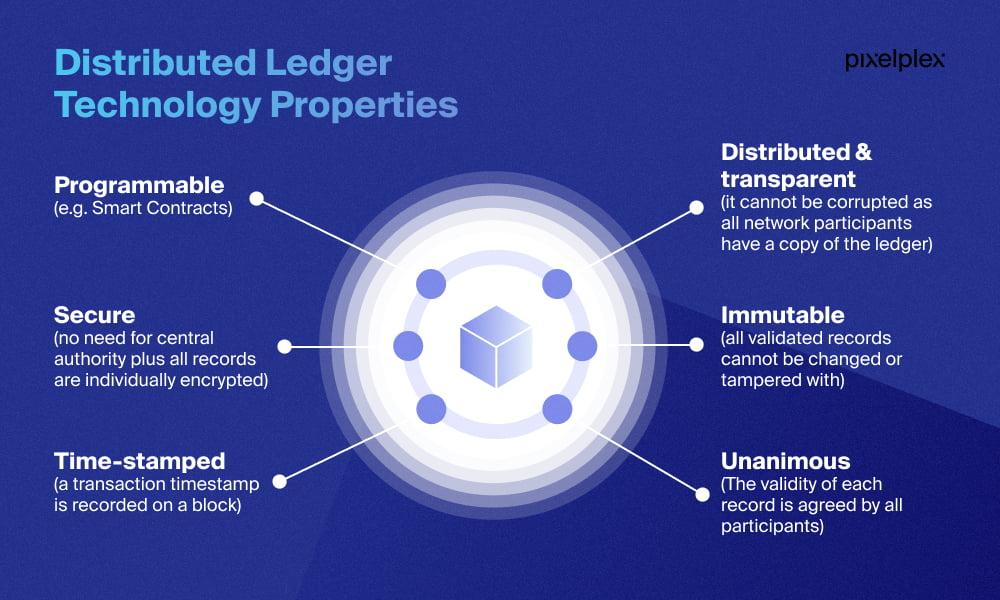
Blockchain is a decentralized ledger technology that records data in a secure, immutable manner. When applied to credential verification, blockchain creates a obvious ecosystem where individuals, employers, and institutions can efficiently exchange and trust qualification details.
- Immutability: Records stored on blockchain cannot be tampered with or deleted.
- Openness: Credentials can be securely viewed and verified anytime, anywhere.
- Decentralization: No single authority controls the ledger, reducing the risk of fraud and errors.
The Challenges of Traditional Qualification Verification
Before blockchain,verifying academic degrees,professional licenses,or vocational certificates involved manual processes and multiple intermediaries,often resulting in:
- delays: Weeks or months to validate credentials
- Fraud Risks: Easy manipulation or forgery of paper certificates
- Cost: Significant administrative expenses for both issuers and verifiers
- Lack of Transparency: Difficulty in tracking the origin and authenticity of qualifications
These issues have made it essential to adopt a more robust and reliable system,leading organizations to explore distributed ledger technology in credential verification.
How Blockchain Revolutionizes Credential Verification
By leveraging blockchain, credential verification processes are completely transformed:
- Digital Issuance: Institutions issue blockchain-backed credentials that are verifiable on the distributed ledger.
- Instant Validation: Employers and third parties can verify credentials in seconds, globally.
- Owner-Controlled Data: Individuals have full control over who can access their qualifications.
- Auditability: Every qualification’s record is traceable back to its origin.
Smart contracts further automate the validation process, triggering instant verification when certain conditions are met.
Key Benefits of Blockchain-Based Credential Verification
- Enhanced security and reduced fraud risks
- Considerably faster verification times
- Lower administrative costs
- Greater trust and transparency
- Global interoperability of qualifications
- Data privacy and control for individuals
Practical Tips for Institutions Implementing Blockchain Verification
- Choose the right platform: Evaluate blockchain networks such as Ethereum,Hyperledger,or Algorand for yoru institution’s needs.
- Integrate with existing systems: Ensure smooth interfacing with student information systems or HR databases.
- Focus on user education: Provide clear guidance to students and staff about accessing and sharing blockchain credentials.
- Partner with credentialing pioneers: Collaborate with reputable organizations that offer blockchain credentialing solutions.
Case Studies: Blockchain Credential Verification in Action
1. MIT’s Digital Diplomas on Blockchain
The Massachusetts Institute of Technology (MIT) pioneered issuing digital diplomas on blockchain. Graduates receive cryptographically secured credentials that are instantly verifiable online by employers worldwide. This move has drastically reduced verification times and minimized diploma fraud.
2. Learning Machine & Malta Government
In partnership with Learning Machine, Malta allows students to own and share blockchain-based academic records. This collaboration establishes tamper-proof, instantly verifiable credentials for lifelong learning and global mobility.
3. India’s National Blockchain for Diplomas
India’s government-backed blockchain project for educational certificates secures millions of records, supporting both domestic and international employers in rapid and reliable degree validation.
First-Hand Experience: Blockchain Verification In Recruitment
Let’s hear from Sarah, an HR Manager at a multinational tech firm:
“We hire talent from all over the world, and verifying academic and professional credentials used to be a huge bottleneck. As shifting to blockchain credential verification platforms, onboarding times have shrunk from weeks to days. We now have greater confidence in every applicant’s qualifications, and our candidates love the transparency and speed.”
Potential Limitations and Considerations
- Technical Barriers: Not all institutions are ready for blockchain integration, and technical training may be required.
- Standardization: There’s a need for worldwide standards to ensure global compatibility.
- Privacy Concerns: Institutions must ensure compliance with data protection regulations like GDPR.
While these challenges exist, the continuing evolution of blockchain technology and the rise of consortium standards are quickly mitigating potential downsides.
Future Outlook: Blockchain and the Evolution of Credentialing
the future of blockchain-based qualification validation looks promising. As governments, accreditation bodies, and universities worldwide adopt distributed ledger technology, the groundwork is being laid for fully digital and globally portable credentials. Integration with emerging technologies—such as AI-driven recruitment tools—will only enhance the accuracy, speed, and fairness of verification.
Conclusion: Embracing the Blockchain Credential Revolution
As the global workforce becomes more mobile and skills-based hiring gains momentum, blockchain credential verification stands out as a trusted, scalable solution. By reducing fraud, cutting costs, and speeding up verification processes, distributed ledgers empower individuals, academic institutions, and employers to rely on true merit, not just paper.
Embracing blockchain for qualifications validation marks a critical shift towards a transparent, efficient, and inclusive global ecosystem for talent and education. Now is the time for organizations to explore, invest, and lead in blockchain-powered credentialing.
Keywords: Blockchain credential verification, distributed ledger qualifications validation, blockchain education verification, secure digital credentials, blockchain diploma verification