
Blockchain in Credential Verification: revolutionizing How Qualifications Are Authenticated
Keywords: blockchain credential verification, blockchain in education, digital credentials, qualification authentication, secure certificates, decentralized verification
In today’s fast-paced digital world, verifying the authenticity of qualifications has become more crucial than ever. This is especially true in sectors like education and employment, where the rise of diploma mills and fake certificates threatens the integrity of hiring and admission processes. Enter blockchain in credential verification—an innovative technology that’s transforming how we authenticate degrees, certifications, and professional qualifications. In this article, we’ll explore how blockchain technology is revolutionizing credential verification, its benefits, real-world applications, and practical tips for adoption.
The Challenges of Conventional Credential Verification
Credential verification has traditionally relied on manual processes, involving paper certificates, phone calls, and email checks. These methods are not only slow but also vulnerable to forgery and human error. Common problems include:
- Fraudulent degrees and certifications circulating online
- Time-consuming background verification for HR teams
- Lack of standardization across institutions
- Privacy concerns and data leaks
- High costs for both institutions and individuals
As remote work and international job applications increase, the need for efficient and secure digital credential verification has become paramount.
What is Blockchain Credential Verification?
At its core,blockchain technology is a decentralized digital ledger that records transactions across a network of computers. Because the information stored on a blockchain is immutable and transparent, it’s nearly impractical to tamper with or forge.
When applied to digital credentials, blockchain enables institutions to issue certificates, degrees, and badges as cryptographically-signed records. These records can be verified instantly by employers, educational organizations, or goverment agencies—without needing to contact the issuing institution.
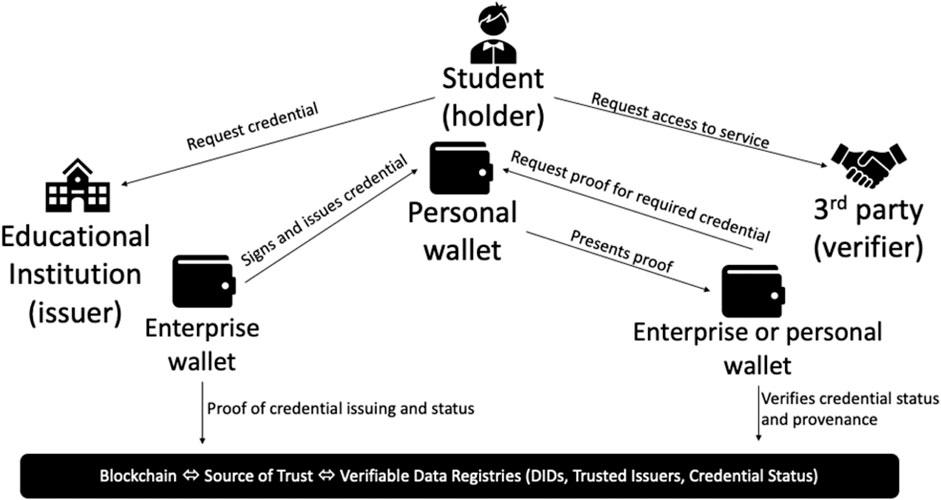
How Blockchain Credential Verification Works
- Issuance: An authorized institution creates a digital credential (such as a degree certificate) and signs it using its private key.
- Registration: The credential is stored on a blockchain, creating a tamper-proof record.
- Verification: employers or other stakeholders can instantly verify the credential’s authenticity using the blockchain’s public record—no need for direct contact with the issuer.
This decentralized approach streamlines the qualification authentication process and enhances trust across the entire ecosystem.
Benefits of Blockchain in Credential Verification
Blockchain-based credential verification offers a host of advantages over traditional methods:
- Security: tamper-proof records prevent forgery and unauthorized modifications.
- Efficiency: Instant verification speeds up recruitment, admissions, and professional licensing.
- Cost-Effectiveness: Reduces administrative overhead and eliminates costly manual checks.
- Privacy: Individuals can control who sees their credentials, maintaining privacy.
- Interoperability: Credentials can be shared globally, making international verification seamless.
- Trust: Decentralization minimizes the risk of single-point failure and corruption.
Real-World Case Studies: Blockchain in Action
1. MIT’s Digital diplomas
In 2017, the Massachusetts Institute of Technology (MIT) began issuing blockchain-based digital diplomas to its graduates. Using the Blockcerts platform, graduates could share verified diplomas with employers anywhere in the world, dramatically speeding up the hiring process and preventing credential fraud.
2. Learning Machine & Malta’s Education System
Malta’s Ministry for Education partnered with Learning Machine to issue blockchain-secured certificates to its students. This move enabled Maltese citizens and employers to instantly validate qualifications, revolutionizing how academic achievements are managed at national scale.
3. National Health Service (NHS) UK
The NHS explored blockchain for storing healthcare professionals’ credentials. By leveraging blockchain for credential verification in healthcare, they aimed to accelerate staff onboarding and eliminate fraudulent claims.
Practical Tips for Implementing Blockchain Credential Verification
Interested in adopting blockchain in your credential verification processes? Here are practical steps to get started:
- Assess Your Needs: Identify which credentials are most critical to verify securely and efficiently.
- Choose the Right Platform: Consider solutions like Blockcerts, Learning Machine, or Hyland Credential. These platforms specialize in digital credential issuance using blockchain.
- Start Small: Pilot the system within a department or program before scaling.
- Educate Stakeholders: Train staff and inform students or employees about the benefits of blockchain-based verification.
- Integrate with Existing Systems: Ensure your chosen platform can link up with current IT infrastructure for seamless workflow.
- Prioritize Data Privacy: Implement robust privacy controls to comply with data protection regulations (such as GDPR).
challenges & Considerations
While blockchain offers significant advantages, its adoption isn’t without hurdles:
- Technological Complexity: Integrating blockchain into legacy systems requires technical expertise.
- Regulatory Uncertainty: Laws surrounding digital credentials and blockchain still evolve.
- Standardization: The lack of universal standards for blockchain credentials may hinder interoperability.
- Initial Costs: Investment in infrastructure and staff training can be substantial.
Despite these challenges, the long-term benefits of blockchain credential verification outweigh the initial barriers, especially as global adoption increases.
First-Hand Experience: Testimonials
“Implementing blockchain-based digital credentials was a game-changer for our university. Students now have peace of mind knowing their diplomas are secure, and our HR partners appreciate the efficiency.”
— University Registrar,U.S.
“As an employer,using blockchain to verify applicant qualifications has improved our hiring speed and reduced fraudulent claims. It’s a win for both sides.”
— HR Manager, Tech Company
Blockchain Credential Verification: The Future outlook
The rise of blockchain in qualification authentication marks a pivotal shift towards tamper-proof, transparent, and globally accessible credentials. As industries ranging from education to healthcare and finance embrace this technology, we can expect streamlined processes, reduced fraud, and empowered individuals who control their own digital credentials.
Emerging technologies like zero-knowledge proofs and self-sovereign identity will further amplify the security and privacy of blockchain-based verification. In the coming years, governments may set national standards to accelerate adoption, making blockchain credential verification a benchmark for trust and efficiency.
Conclusion: Why Blockchain is the Game-Changer in Credential Verification
Whether you’re an educational institution, employer, or job seeker, embracing blockchain in credential verification offers unmatched security, transparency, and convenience. Gone are the days of lost diplomas and lengthy verification periods—now, digital credentials can be verified instantly across the globe.
To stay ahead in an increasingly digital world, it’s time to consider how blockchain technology can revolutionize your credential authentication processes. The future of secure, trustworthy, and efficient qualification verification is here—and it’s on the blockchain.
Want to learn more about implementing blockchain-based credential verification? Subscribe to our newsletter for the latest updates, case studies, and practical guides!