
Blockchain in Education: How Verifying Qualifications Is Becoming More Secure and Transparent
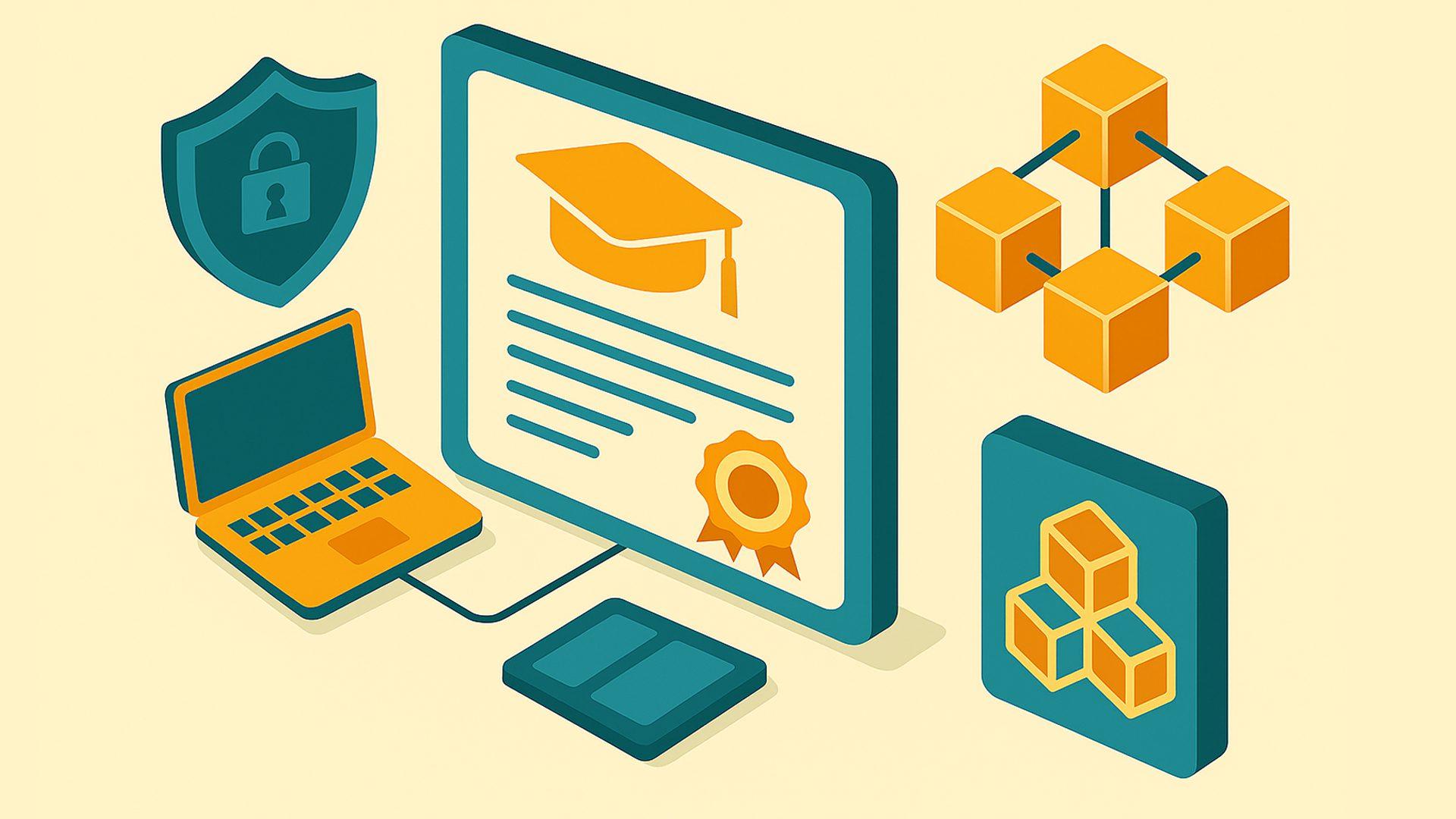
In an increasingly digital age,blockchain technology is transforming the education sector by making the verification of academic qualifications more secure,transparent,and efficient. educational institutions, employers, and students are embracing blockchain as a solution to long-standing problems such as credential fraud, cumbersome verification processes, and lack of interoperability among global institutions.in this comprehensive article, we’ll explore how blockchain in education is changing the game for qualification verification, its benefits, real-world case studies, practical implementation tips, and what the future holds.
What is Blockchain and Why It Matters in Education?
Blockchain is a decentralized, tamper-resistant digital ledger that records data in blocks connected chronologically. Each block contains a record of a transaction, and once recorded, the data cannot be altered. In the context of education, this means academic achievements such as degrees, diplomas, or certificates can be securely logged on the blockchain, creating a permanent, unchangeable record accessible to authorized parties.
- immutable records: Qualification details on a blockchain cannot be forged or manipulated.
- decentralization: No single institution controls the record, reducing chances of corruption or unilateral data alteration.
- openness: All authorized stakeholders—students, employers, schools—can verify credentials in real time.
How Blockchain Secures and Streamlines Qualification Verification
The verification of academic qualifications has traditionally been slow,expensive,and vulnerable to fraud. Blockchain introduces significant improvements in the following ways:
1. Fighting Credential Fraud
Fraudulent degrees and certificates have plagued industries worldwide. Blockchain makes forgery nearly impractical:
-
credentials are cryptographically signed and time-stamped by academic institutions.
-
Any tampering or falsification is promptly detectable.
-
Institutions can instantly verify the authenticity of a qualification without relying on third parties.
2. Accelerating the Verification Process
Traditional processes may take days or weeks as employers request transcripts and await confirmations.With blockchain:
-
Employers can check a candidate’s credentials instantly via a secure web portal or digital wallet.
-
Students need not contact their alma mater each time verification is required.
-
Automation reduces administrative workload and costs for institutions.
3. Enhancing Transparency and Trust
Transparency is at the heart of blockchain’s value:
-
Everyone involved has a clear, accessible record of who issued the qualification, when, and under what standard.
-
No single actor can alter or erase qualification data.
Benefits of Blockchain in Educational Credential Verification
- Reduced Fraud: Immutable records significantly lower the chances of forging certificates or inflating achievements.
- Cost Savings: Fewer resources are spent on administration, processing, mailing, or storage costs for physical diplomas.
- Borderless Verification: Students with international qualifications can easily share official records, aiding cross-border education and employment.
- Personal Data Control: Students can choose to share only relevant credentials, preserving privacy and complying with global data regulations.
- Environmental Benefits: Digital records meen fewer printed documents and less shipping, reducing the carbon footprint.
Real-World Case Studies: Blockchain Adoption in Education
MIT and Digital Diplomas
The Massachusetts Institute of Technology (MIT) has pioneered the use of blockchain to issue digital diplomas. In 2017, MIT began offering blockchain-secured diplomas to graduates, allowing them to share an unforgeable digital copy with employers worldwide.
“I never have to worry about losing my diploma or waiting weeks for verification. Everything I need is securely on my phone.” – MIT Graduate
University of Nicosia: Blockchain for full Academic Records
The University of Nicosia in Cyprus issues entire academic records on the blockchain, not just diplomas but transcripts and certificates. This model ensures that all achievements, from micro-credentials to full degrees, are quickly verifiable.
“Europass” Digital Credentials
the European Commission is piloting blockchain-backed credentials for its Europass framework.This initiative enables students to carry a secure digital portfolio and share official qualifications across all EU member states.
How to Implement Blockchain in Educational Verification Systems
For institutions considering blockchain adoption, follow these practical tips:
- choose the Right Platform: Decide between public (e.g., ethereum) and private/permissioned blockchains (e.g., Hyperledger, Corda) based on privacy needs and scalability.
- Develop Standardized Data Models: Agree on a unified credential format to ensure interoperability between global institutions.
- Integrate with Existing Systems: Work with student details systems (SIS) and learning management systems (LMS) for seamless user experiences.
- Prioritize User Training: Educate staff, students, and employers on how to use the new system and access blockchain-based credentials.
- Start Small, Scale gradually: Pilot blockchain verification with a specific department or qualification before full-scale deployment.
- Ensure Data Privacy Compliance: Design solutions in line with GDPR, FERPA, or other regional privacy regulations.
Challenges and Considerations
While blockchain offers many benefits, institutions must also consider these challenges:
- Technical Complexity: Blockchain integration can be complex and requires skilled IT teams.
- Regulatory Hurdles: National and international regulations may impact how data is recorded and shared.
- Scalability: Large-scale systems may require significant infrastructure upgrades.
- Standardization: A worldwide standard for blockchain credentials is still emerging.
overcoming these challenges will require collaboration between technology providers, governments, and educational institutions—but the potential rewards are worth the effort.
The future of Blockchain in Education
As new technologies evolve,the role of blockchain in education is set to expand. Future trends include:
- Micro-credentials and Lifelong Learning: Blockchain enables the secure accumulation of smaller, modular qualifications (badges, certificates) across a lifetime.
- Automated Hiring: Employers may use blockchain to automate hiring processes by instantly validating candidates’ skills and qualifications.
- Global Educational Records: students can curate a single, universal academic record accepted by universities and employers worldwide.
With growing adoption, blockchain has the power to create a more equitable, accessible, and trustworthy education ecosystem for all.
Conclusion: Embracing a More Secure and Transparent Future
Blockchain in education is more than a technological trend—it’s a transformative solution addressing the long-standing issues of fraud, inefficiency, and lack of transparency in qualification verification. By embracing blockchain, educational institutions, students, and employers gain access to faster, more secure, and globally recognized verification methods. Although challenges remain, those who adopt early stand to lead in a future where educational achievements are valued, trusted, and accessible without barriers.
If you’re an educator, administrator, or learner, now is the time to explore how blockchain can future-proof your credentials and strengthen trust in educational achievements. The age of transparent, secure, and instant qualification verification has arrived.