
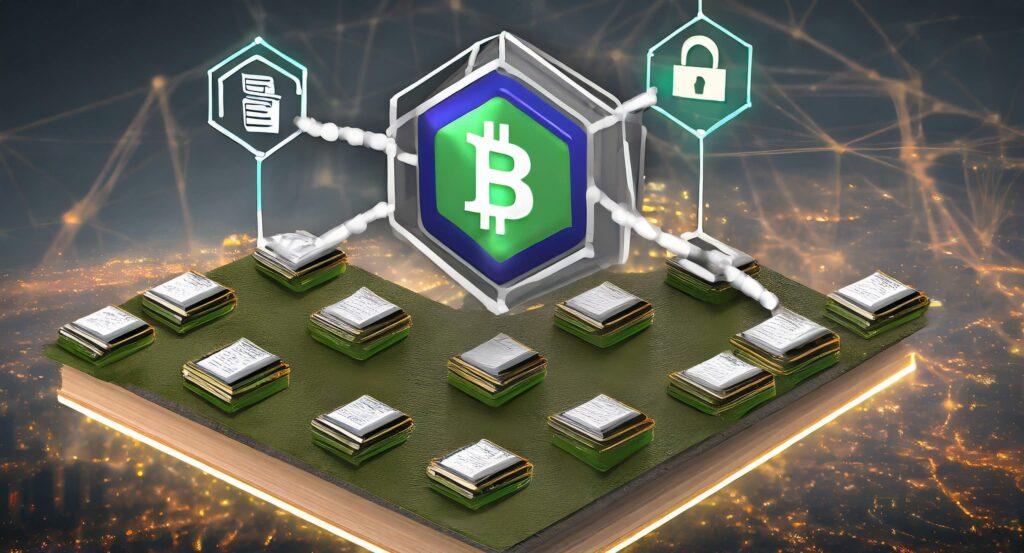
Blockchain in Education: How Verifying Qualifications Is Being Revolutionized
In an age where academic qualifications are the key to unlocking professional opportunities, ensuring the authenticity of these credentials is more critical than ever. Conventional methods of verifying academic achievements are time-consuming, prone to forgery, and can create significant hurdles for students, educational institutions, and employers alike. Enter blockchain technology in education—an innovative approach that’s revolutionizing how degrees, certificates, and other qualifications are secured, shared, and validated worldwide.
What Is Blockchain and How Does It Apply to Education?
Blockchain is a decentralized digital ledger technology that records data in a transparent, immutable, and secure manner. At its core,it enables multiple parties to share facts without the need for a trusted third party. In the educational context, blockchain for academic credential verification involves issuing, storing, and sharing qualifications on a blockchain network, making them tamper-proof and easily accessible.
Traditional Problems with Academic Qualification Verification
- Manual Verification: Most universities and employers still rely on manual processes to verify transcripts, degrees, and certifications, which is slow and inefficient.
- Risk of Fraud: Paper-based certificates and digital copies are susceptible to forgery, making it hard to distinguish genuine qualifications from fakes.
- Cross-Border Challenges: International education and job applications frequently enough require additional authentication, causing time delays and extra costs for applicants and institutions.
- Data Privacy Issues: Sharing personal academic records can compromise student privacy if not handled securely.
How Blockchain Is Revolutionizing the Verification Process
The integration of blockchain in the education sector addresses these longstanding challenges, offering a secure and efficient way to manage academic credentials at all levels.Here’s how it’s transforming the landscape:
Immutable Records: Once a qualification is issued on the blockchain, it cannot be altered or deleted. This immutability ensures the authenticity of credentials and eliminates the possibility of tampering or forgery.
instant Verification: Employers, institutions, and third parties can verify qualifications in real-time by accessing the blockchain, drastically reducing the time and administrative burden.
Decentralization: No single entity owns the blockchain. Instead, universities, employers, and students all have shared access, enhancing trust and clarity.
Ownership and Control: Students retain full control of their digital credentials and can selectively share specific records with whomever they choose, enhancing data privacy.
Global Recognition: Blockchain-verified educational qualifications are globally accessible and recognized, facilitating cross-border education and employment.
Key Benefits of Using Blockchain for Education Credentials
- Reduced fraud: Cryptographically secured credentials eliminate forged degrees and fake certificates.
- Streamlined Hiring: Employers can instantly validate candidate qualifications, speeding up recruitment processes and improving HR efficiency.
- Administrative cost Savings: Institutions save time and resources by eliminating manual verification and paperwork.
- Empowered Learners: Students gain greater agency over their academic data and credentials.
- Lifelong Learning: Blockchain enables the recording of micro-credentials, professional progress, and continuous learning achievements.
- enhanced Trust: All parties—students, institutions, and employers—benefit from increased trust and transparency in the ecosystem.
Real-World Examples: Blockchain in education Case Studies
Several educational institutions and tech companies have already implemented blockchain solutions for credential verification. Here are some notable case studies:
Massachusetts Institute of Technology (MIT): Through its Blockcerts initiative, MIT issues blockchain-based digital diplomas to students, allowing them to easily share verified credentials with employers worldwide.
University of nicosia (Cyprus): A pioneer in blockchain education, UNIC provides all graduates with blockchain-verified diplomas as 2014.
Sony global Education: In partnership with IBM, Sony launched a platform that uses blockchain to manage and share student records across different educational institutions.
Malta’s Education Ministry: Malta’s government leverages blockchain for national student certification, ensuring all records are secure, tamper-proof, and easily accessible.
Dutch National Student Register (DUO): In the Netherlands, DUO uses blockchain to allow graduates to share proof of their qualifications with employers both locally and internationally.
First-Hand Experiences: Voices from the Field
“Before blockchain, verifying my degree for an overseas job application took weeks of cumbersome paperwork and waiting. Now,it’s instant,secure,and stress-free!”
– Maria Petrou,Graduate,University of Nicosia
“Blockchain credentialing has reduced our administrative workload and given students newfound confidence knowing their records are safe and easily accessible.”
– Dr. Mark healy, Registrar, MIT
Challenges and Considerations
While the benefits of blockchain in education are significant, some challenges remain:
- Interoperability: not all platforms are compatible, and the lack of worldwide standards can hinder cross-institutional verification.
- Scalability: As adoption increases, blockchain platforms must be able to handle large volumes of records efficiently.
- Privacy Laws: Compliance with data-protection regulations such as GDPR is critical when handling student information.
- Initial Costs: Implementing blockchain solutions can require significant upfront investment and technical expertise.
- Awareness and Training: Educational institutions and employers need to be educated about how blockchain works and how to tap into its benefits.
Practical tips for Institutions Adopting Blockchain Credentialing
- Partner with Established Blockchain Providers: Collaborate with reputable technology partners who specialize in blockchain credentialing solutions.
- Start Small: Consider launching a pilot program with a specific cohort or department before scaling campus-wide.
- Educate Stakeholders: Provide training and resources to faculty, staff, and students to ensure seamless adoption.
- Ensure Legal Compliance: Work with legal experts to ensure compliance with data privacy regulations and international best practices.
- Focus on Interoperability: Adopt open standards to maximize cross-platform compatibility and avoid vendor lock-in.
Future Trends: What’s next for Blockchain in Education?
As technology evolves, the role of blockchain in academic credential verification is expected to grow. Some emerging trends include:
- Lifelong Digital Learning Records: Creating comprehensive and portable academic portfolios accessible to learners throughout their lives.
- Integration with AI and Machine Learning: Enhancing verification, analysis, and talent-matching processes.
- International Standardization: Development of global frameworks for blockchain credentials to streamline mobility and recognition.
- Greater Employer Adoption: Wider acceptance of blockchain-verified qualifications by companies across industries.
- Expansion to Skills and Micro-Credentials: Recognition and portability of short courses, workshops, and skill-based certifications.
Conclusion: Embracing the Future of Blockchain in Education
Blockchain technology is ushering in a new era of transparency, security, and efficiency for the verification of academic qualifications. For students, it means empowerment and global mobility; for institutions, reduced governance and fraud; and for employers, immediate assurance of candidate authenticity.While challenges exist, the momentum is unmistakable: blockchain in education is not just a trend but a transformative pillar for the future of learning and career development. As more educational organizations embrace blockchain, verifying qualifications will become faster, easier, and more trustworthy than ever before.
Are you ready to explore how blockchain can future-proof your educational institution’s credentialing process? The revolution is only a block away!