
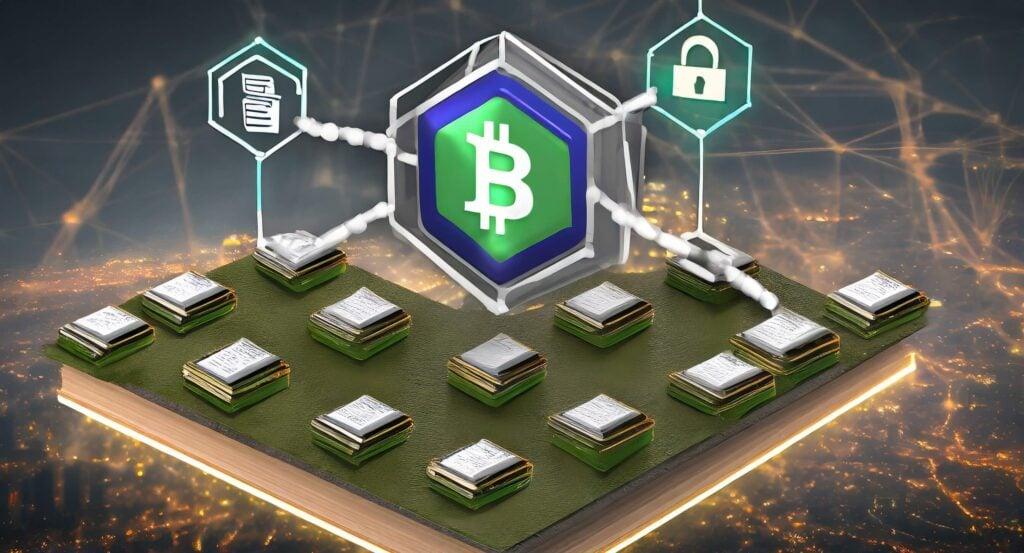
Blockchain in Education: How Verifying Qualifications Is Revolutionized
The world of education is witnessing a digital revolution, and at the heart of this change is blockchain technology. Once synonymous mainly with cryptocurrencies, blockchain is now reshaping the way educational qualifications are issued, verified, and shared globally. This groundbreaking innovation is addressing long-standing issues in credential verification, ensuring a more secure, transparent, and efficient process for students, employers, and institutions alike.
Understanding Blockchain in Education
Blockchain is a decentralized, digital ledger that records data securely and transparently.In the context of education, blockchain offers an immutable way to store and share academic credentials, such as diplomas and certificates.
- Decentralization: No single institution controls the data, reducing fraud.
- Immutability: once recorded, details cannot be altered or deleted.
- transparency: Credentials are viewable and verifiable by authorized parties worldwide.
This technology brings a new level of trust, paving the way for blockchain-based degree verification and secure academic credential verification.
Why Traditional Qualification Verification Falls Short
Conventional methods of verifying educational qualifications can be slow and susceptible to fraud. Key challenges include:
- Complexity and Delays: Manual processes often involve contacting multiple departments and waiting weeks or months.
- Security Risks: Physical documents and centralized databases are vulnerable to forgery and data breaches.
- High Costs: Administrative overheads and third-party verification agencies increase expenses.
- Limited Accessibility: International verification can be especially challenging and time-consuming.
Clearly, there’s a need for a more efficient educational credential verification system, and blockchain in education is stepping up to the challenge.
How Blockchain Revolutionizes Qualification Verification
Blockchain streamlines and secures the process of verifying educational qualifications in several transformative ways:
- Issuance of Digital Credentials: Institutions can issue diplomas, certificates, and transcripts digitally on a blockchain network.
- Instant Verification: Employers and universities can instantly validate credentials with a secure, tamper-proof link.
- Enhanced Security and Authenticity: Blockchain’s cryptographic features make forgeries virtually impractical, drastically reducing credential fraud.
- Ownership and Portability: Graduates own their digital credentials, empowering them to share or present them anytime, anywhere.
- cost Reduction: Automation and decentralized storage minimize administrative burdens and third-party verification costs.
Ultimately, blockchain for academic credential verification creates a seamless, trustworthy experience for all stakeholders.
Benefits of Blockchain-Based Qualification Verification
- improved Trust: Immutable records foster confidence in the authenticity of qualifications.
- Speed and Efficiency: Real-time verification enables faster recruitment and admissions processes.
- Global Recognition: Standardized digital credentials can be verified worldwide without translation or notary requirements.
- Data Privacy: Only authorized parties access data,and students have control over who sees their records.
- Reduced Fraud: With no way to modify blockchain records undetected, false claims become a thing of the past.
Thes benefits highlight why blockchain in education is being widely adopted for degree authentication and qualification validation.
real-World Case Studies: Blockchain in Education
1. MIT Digital Diplomas
The Massachusetts Institute of Technology (MIT) pioneered blockchain-based diplomas, allowing graduates to receive and share tamper-proof digital certificates.This system eliminates the need for physical verification and has made academic and employer interactions more efficient.
2.European Blockchain Services Infrastructure (EBSI)
The EBSI, launched by the European Commission, focuses on cross-border recognition of academic qualifications. Students across Europe can use a digital wallet to store and present their verified degrees to employers and educational institutions, simplifying international mobility.
3.University of Nicosia
The University of Nicosia in Cyprus issues degrees and certificates directly on the Bitcoin blockchain, allowing instant online verification of graduates’ credentials.As an early adopter, it has inspired other universities to explore blockchain solutions.
Tips for Adopting Blockchain in Your Institution
- choose the Right Blockchain Platform: Consider public, private, or consortium blockchains based on your privacy and scalability requirements.
- Start with Pilot Projects: Test blockchain for a specific credential (e.g., diplomas) before expanding to all academic records.
- Collaborate with Stakeholders: Work with employers,tech partners,and other educational institutions to ensure interoperability and acceptance.
- Focus on User Education: Train staff and students on how to use and share digital credentials securely.
- Ensure Compliance: Stay updated on regulations regarding data privacy, such as GDPR, when managing digital records.
Practical adoption not only brings operational benefits but also strengthens your institution’s reputation for innovation and trust.
Challenges and Considerations
While the promise of blockchain in education is undeniable, several challenges need addressing:
- Technical Complexity: Implementing blockchain requires expertise and ongoing maintenance.
- Industry Standards: lack of universal standards can limit interoperability between systems.
- Adoption Resistance: Staff and stakeholders might potentially be hesitant to switch from traditional methods.
- Regulatory Uncertainty: Varying global data privacy laws can impact deployment timelines.
However, as technology matures and best practices emerge, these hurdles are increasingly manageable.
Conclusion: The Future of Education Verification is Here
The integration of blockchain technology in education is a game-changer, offering a transparent, secure, and fast way to verify qualifications. from reducing fraud and speeding up hiring processes to enabling global recognition of degrees,blockchain is empowering students and institutions alike. as adoption continues to grow, now is the ideal time for educational providers to explore blockchain solutions and lead the way toward a more trustworthy and efficient academic future.
Are you ready to embrace the future of qualification verification? Stay updated with the latest trends in blockchain in education and take the next step toward transforming how we recognize and validate achievements worldwide.