
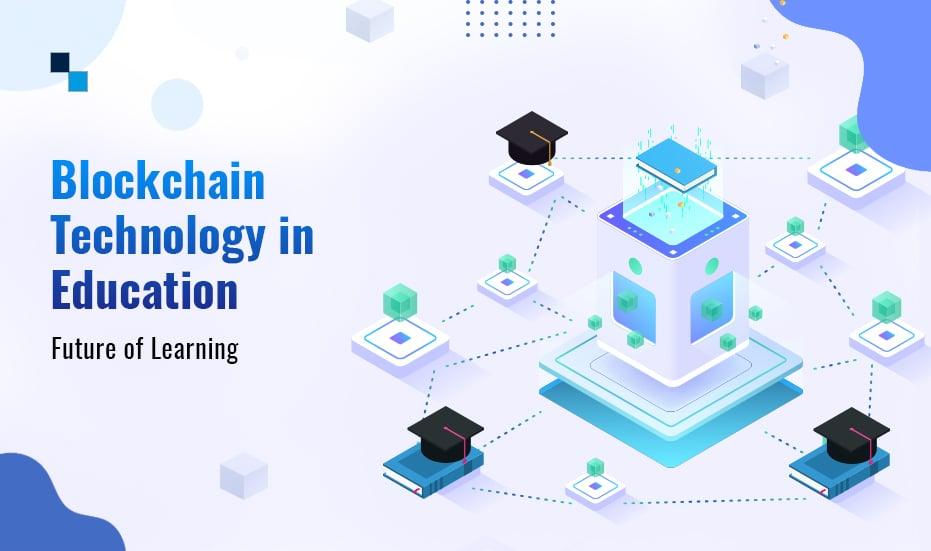
Blockchain in Higher Education: Compelling Case Studies Transforming the Academic Landscape
Blockchain technology is rapidly gaining traction in the world of higher education. from ensuring the authenticity of degrees to streamlining governance and enhancing student experiences, discover how blockchain is driving innovation in universities and colleges across the globe with real-world case studies and practical insights.
Introduction: The Promise of Blockchain in Higher Education
The digital shift in higher education is undeniable. As universities and colleges strive to modernize operations, improve record-keeping, and combat academic fraud, blockchain technology has emerged as a game-changer. Known for its decentralized, transparent, and secure nature, blockchain in higher education is transforming how institutions issue credentials, handle transcripts, and foster trust between stakeholders. But what does this actually look like in practise? Let’s delve into the compelling case studies ushering in a new era for academia.
What is Blockchain and Why Does it Matter in Academia?
At its core, blockchain is a decentralized digital ledger that records transactions in a way that is transparent, immutable, and tamper-proof.when applied to higher education,this technology can:
- Prevent Diploma Fraud: Ensuring that degrees and certifications are authentic and verifiable.
- Streamline Administrative Tasks: Automating processes like transcript sharing, admissions, and credit transfers.
- Empower Students: Giving learners control over their educational records and lifelong learning portfolios.
- Enhance International Mobility: making it easier for students to have their credentials recognized globally.
With these advantages, institutions worldwide are eager to integrate blockchain in higher education and address long-standing challenges in trust, clarity, and efficiency.
Benefits of Blockchain for Higher Education Institutions
The adoption of blockchain technology in higher education delivers several key benefits:
- Enhanced Security: Credentials stored on the blockchain cannot be altered or forged, reducing the risk of academic fraud.
- Increased transparency: All transactions are recorded on an immutable ledger, promoting trust among institutions, students, and employers.
- Cost and Time Savings: Automating administrative tasks reduces manual processing, freeing up resources for core academic activities.
- Global Recognition: Blockchain provides a standardized way to verify credentials across borders, supporting student mobility and international collaboration.
- Personal Data Ownership: Students maintain control over their own educational data, sharing it securely as needed.
Blockchain in Higher Education: Compelling Case Studies
To truly appreciate the transformative power of blockchain in academia, let’s explore notable case studies from leading universities and organizations worldwide.
1. MIT: Digital Diplomas through the Blockcerts Platform
The Massachusetts Institute of Technology (MIT) pioneered the use of blockchain to issue digital diplomas in collaboration with learning Machine (now Hyland Credentials). Through the Blockcerts open standard, MIT graduates receive cryptographically signed, tamper-proof digital certifications.
- Students receive both a paper diploma and a digital credential stored on their mobile devices.
- Employers and other institutions can instantly verify the authenticity of the degree via a blockchain verification link.
- This process eliminates the need for manual transcript requests and reduces instances of diploma fraud.
2. University of melbourne: Verifiable Academic Credentials On-Chain
The University of melbourne became the first Australian university to use blockchain for issuing digital credentials.In 2017, the university leveraged Learning Machine’s platform for verifiable, blockchain-based academic records.
- Graduates receive a secure HTML version of their records with a blockchain proof.
- Credential verification is instant and free anywhere in the world.
- Students have lifelong access to their authenticated data.
3. European Union: EBSI (European Blockchain Services Infrastructure)
The European Blockchain Services Infrastructure (EBSI), spearheaded by the european commission, is creating a trusted framework for sharing credentials and academic qualifications across 29 countries.
- Students can move between universities across Europe with digitally-verified diplomas, reducing red tape and bureaucracy.
- The system supports Europe’s Bologna Process for academic mobility.
- universities gain a reliable toolkit for cross-border recognition and data security.
4.Sony Global Education: Blockchain for Transcripts
Sony global Education, in partnership with IBM, launched a blockchain-based solution to manage and share student records.
- Enables the secure comparison and transfer of academic achievement data across diffrent institutions and platforms.
- Simplifies credit transfers and the admissions process.
- Potential for expanding into research publication tracking and continuing education credentials.
5. Malta: National Level Blockchain Credentials
The government of malta implemented blockchain for storing all state-issued academic certificates. This initiative covers levels from secondary up to tertiary education.
- Prevents fraudulent claims and simplifies verification processes for employers and foreign institutions.
- Supports seamless academic pathways for students within and outside Malta.
- First-hand feedback from students highlights improved access and control over credentials.
Practical Tips for Adopting Blockchain in higher Education
Interested in bringing blockchain to your college or university? Hear are practical steps for a triumphant transition:
- Start Small: Pilot blockchain-based digital credentialing in a single department or program before scaling university-wide.
- Collaborate with Technology Experts: Partner with established blockchain solution providers who understand the unique challenges of academia.
- Engage Stakeholders Early: Involve students, faculty, IT staff, and employers from the begining to ensure buy-in and smooth implementation.
- Prioritize Data Privacy: Ensure compliance with relevant data protection laws (like GDPR) and safeguard student information.
- Focus on Interoperability: Choose solutions based on open standards to enhance compatibility with other institutions and platforms.
- Provide Training: Offer workshops for students and staff on how to use digital credentials and blockchain wallets.
First-Hand Experience: Student and Institutional Perspectives
The impact of blockchain in higher education goes beyond technical innovation—it directly benefits real people. Here’s how students and institutions describe their experiences:
- Student benefits: “I can instantly share my MIT diploma with potential employers in any country. The process is easy, and I don’t have to wait weeks for verifications.”
- Institutional Efficiency: “Blockchain has reduced our administrative workload and lowered credential fraud.Our staff can now focus more on supporting students.”
- Global mobility: “Thanks to EBSI credentials, our students have seamless academic journeys across different European higher education systems.”
These testimonials highlight the tangible ways blockchain technology in higher education is enhancing trust, efficiency, and opportunities for students and universities alike.
The Future of Blockchain in Higher Education
The case studies above demonstrate that blockchain is not just a buzzword, but a proven, scalable technology transforming academia. Looking forward, expect even more innovative use cases, such as:
- Academic badges: Micro-credentials and skills-based badges for lifelong learning stored on the blockchain.
- Decentralized Transcript Marketplaces: Students owning and monetizing their learning experiences in new ways.
- Research Integrity: Tracking research data, peer reviews, and publications for greater transparency and credit.
For colleges and universities seeking to future-proof their institutions, investing in blockchain solutions is quickly becoming a strategic imperative.
Conclusion: Blockchain is Transforming the academic Landscape
From MIT’s digital diplomas to Europe’s cross-border credentialing, blockchain in higher education is reshaping the way academic achievements are recorded, shared, and verified. As adoption grows, students gain control over their lifelong learning records, academic fraud is curbed, and global collaboration becomes seamless. The compelling case studies highlighted here are just the beginning: blockchain’s potential to transform the academic landscape is vast, making higher education more trustworthy, efficient, and student-centric than ever before.
Are you ready to join the blockchain revolution in higher education? Explore the possibilities, learn from the pioneers, and help build the future of academic trust.