
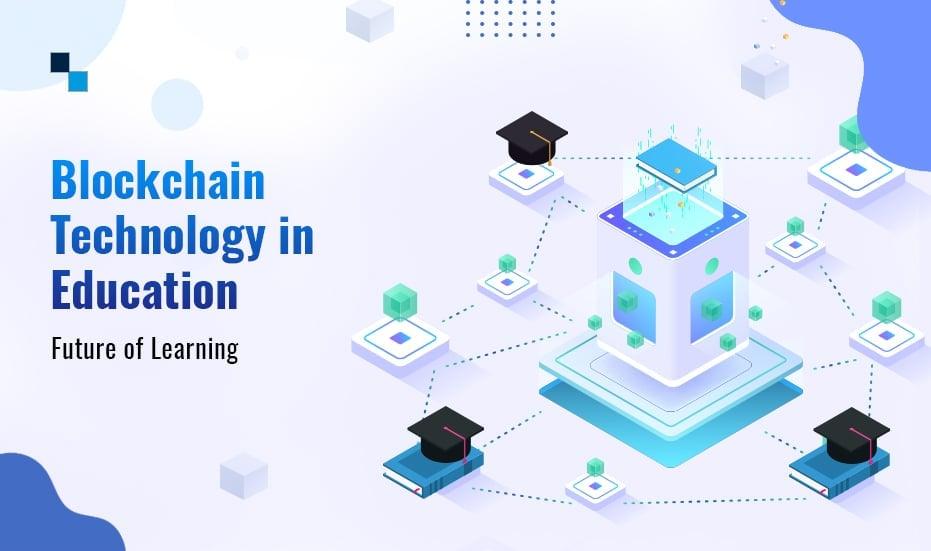
Blockchain in Higher Education: Real-Life Case Studies Transforming academia
Learn how blockchain technology is reshaping higher education. Explore notable case studies, benefits, best practices, and firsthand experiences demonstrating how blockchain in higher education is transforming academic verification, credentialing, and transparency.
Introduction: Blockchain and The Academic Revolution
The digital era demands robust, obvious, and tamper-proof systems for handling delicate data such as academic records, certifications, and research results. blockchain technology in higher education is gaining immense traction for its potential to streamline verification processes, eliminate credential fraud, and foster cross-border learning. In this article, we dive deep into the transformative impact of blockchain in academia, illustrating real-life blockchain case studies, highlighting benefits, and examining both successes and areas for growth.
Why Blockchain Matters in Higher Education
The core strength of blockchain lies in its distributed ledger system,allowing academic institutions to record,store,and validate data securely and transparently. Hear’s why universities and colleges are adopting blockchain technology in education:
- Fraud-Resistant Credentials: Blockchain ensures non-repudiation and prevents counterfeit diplomas or transcripts.
- Seamless Verification: Employers and institutions can instantly verify academic qualifications worldwide.
- Student Ownership: Learners control and share their records as needed,supporting lifelong learning goals.
- Operational Efficiency: Smart contracts automate record management, admissions, and payments.
- Cross-Institution Collaboration: facilitates credit transfers, research data sharing, and micro-credentialing.
Real-Life Blockchain Case Studies in Academia
Several pioneering universities and organizations have already integrated blockchain into their academic operations. Here are some prominent real-life case studies:
1. MIT: Digital Diplomas on the blockchain
The Massachusetts Institute of Technology (MIT) piloted a project called Blockcerts to allow graduates to receive tamper-proof, digital copies of their diplomas using blockchain. Students accessed their credentials through a mobile wallet, enabling instant, verifiable proof of graduation to employers and other academic institutions worldwide.
- Technology Used: Open-source Blockcerts platform
- Impact: reduced diploma fraud; seamless, secure credential sharing
2. The University of Nicosia: Blockchain-Powered Credentialing
The University of Nicosia in Cyprus became the world’s first university to issue academic certificates on the blockchain, covering degrees, diplomas, and transcripts.They also offer the first Master of Science degree in Digital Currency,built entirely around blockchain learning.
- Scope: Over 1,000 blockchain-verifiable certificates issued
- Result: International recognition for secure and transparent digital credentials
3.Sony Global Education & IBM Blockchain Platform
Sony Global Education and IBM collaborated to create an educational platform that securely aggregates and shares academic achievement data. This system enables institutions to grant, verify, and transfer academic credits without the need for centralized data management, encouraging cross-border study programs.
- Features: Secure data sharing, privacy controls, simplified credit transfers
4. University of Melbourne: blockchain-Based Student Records
The University of Melbourne partnered with Learning Machine to issue blockchain-based records of academic achievement. The students can access their micro-credentials or diplomas from a digital wallet, easily sending them to employers or other universities.
5. The holberton School: Decentralized verification for Software Engineering Graduates
The Holberton School for software engineering in San Francisco leverages blockchain to publish verification of certificates. The graduates are issued cryptographically signed records, making it fast and easy for companies to confirm candidate skills.
Benefits of Blockchain in Higher Education
The adoption of blockchain in academic institutions comes with an array of advantages:
- Increased Trust and Transparency: Students and employers can trust that credentials are legitimate and unaltered.
- Cost Savings: Automation and decentralization reduce paperwork, administration costs, and fraud-related expenses.
- Enhanced Accessibility: Blockchain facilitates global recognition for students, especially for international admissions and employment.
- Promotion of Lifelong Learning: Supports micro-credentials and stackable qualifications that can be easily verified.
- Improved Data Security: Sensitive facts is encrypted and decentralized, limiting vulnerability to hackers.
Challenges and Considerations
Though promising, the integration of blockchain into higher education does face some challenges:
- Interoperability Issues: diverse blockchain solutions may lack standardization,making cross-institution collaboration complex.
- Regulatory Hurdles: Varying international data and privacy laws can slow down blockchain adoption.
- Technical Complexity: Implementation frequently enough requires critically important technical expertise, investment, and infrastructure updates.
- Change Management: Academic stakeholders may resist altering established verification and record-keeping systems.
Practical tips for Academic Institutions Adopting Blockchain
- Pilot programs First: Start with limited blockchain projects—such as digital diplomas or a specific cohort—before a full-scale rollout.
- Leverage Existing Frameworks: Utilize open-source solutions like Blockcerts or partnership platforms to minimize development overhead.
- Prioritize Stakeholder Training: Ensure faculty,staff,and students are aware of how blockchain benefits them and understand its practical use.
- Integrate with existing Systems: Seamless integration with current student information systems saves time and minimizes disruption.
- Monitor Regulatory Compliance: Stay updated on local and international policies affecting academic data and blockchain.
Firsthand Experiences: Voices from the Academic Frontier
Real feedback from students and academic leaders using blockchain in education provides valuable insights:
“Receiving my degree digitally and being able to share it with employers instantly opened doors for me globally. The blockchain validation made interviews much smoother.”
— Blockchain Diploma Recipient, MIT
“Implementing blockchain across our transcript management has significantly reduced our administrative burden. Transcripts that used to take weeks to verify now take minutes.”
— Registrar, University of Nicosia
“With blockchain certificates, our global students get fair recognition of their skills wherever they go, without delays or paperwork.”
— Academic Advisor, Holberton School
The Future of Blockchain in Higher Education
Blockchain in higher education is still in its early stages but promises a paradigm shift in academic verification and administration. Leading universities are already demonstrating blockchain’s transformative power, and as interoperability standards evolve, we can expect even broader adoption. The technology also paves the way for decentralized identity management, portable learning records, and even blockchain-based tuition payments.
Key predictions include:
- Integration of blockchain with AI for personalized learning paths
- Expansion of global credit transfer systems
- proliferation of verified micro-credentials and lifelong learning certificates
Conclusion: Embracing Blockchain for a Smarter Academic Ecosystem
As the case studies show, blockchain in higher education is much more than a buzzword—it’s a powerful tool driving increased transparency, efficiency, and student empowerment in academia. While challenges remain, the tangible benefits and growing real-world implementations prove that blockchain’s academic revolution is well underway. Institutions that embrace this technology today will not only build trust and operational resilience but also set new standards for innovation in global education.
Ready to stay ahead of the curve? explore, pilot, and collaborate to make blockchain an integral part of your institution’s digital change journey.