
Blockchain in Higher Education: Top Case Studies Revolutionizing Universities
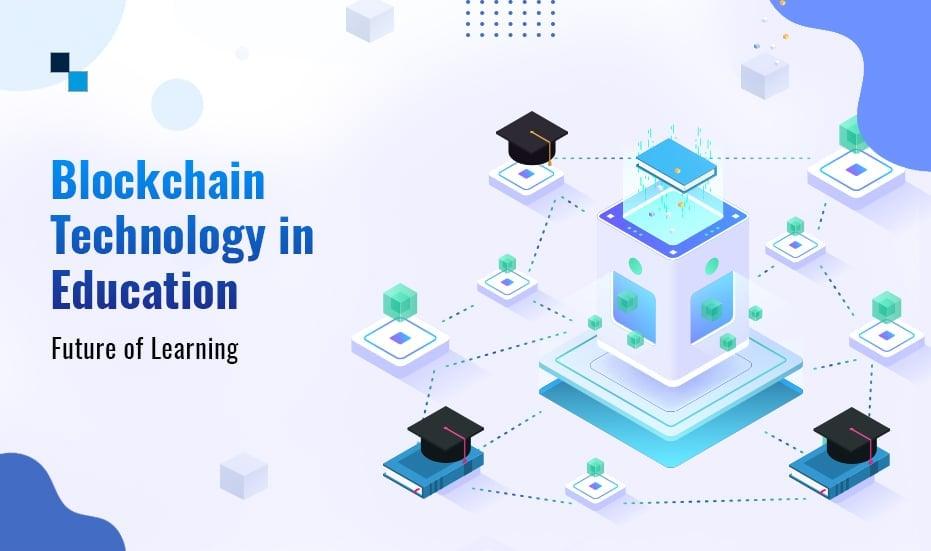
The future of higher education is being rewritten—block by block. Blockchain technology in higher education is rapidly transforming how universities issue degrees, manage records, and build trust in academic credentials. As higher education faces challenges ranging from diploma fraud to complex credit transfers, innovative institutions are embracing blockchain to boost transparency, security, and student empowerment. In this complete guide, we’ll explore blockchain’s impact on academia, showcase real-world blockchain case studies in universities, and offer practical tips for adoption.
Why Blockchain Matters in Higher Education
Blockchain—a decentralized, tamper-proof digital ledger—has moved beyond cryptocurrencies to become a game-changer for industries craving secure record-keeping and transparency.For higher education institutions, the technology promises to:
- Eliminate diploma and transcript fraud
- Streamline student credential verification
- Enable global recognition and easy sharing of achievements
- Automate administrative workflows, reducing costs and errors
- Empower students to own and control their academic records
Key Benefits of Blockchain in Higher Education
Universities and students alike stand to gain from blockchain implementation.Here are some of the most impactful benefits:
1. Enhanced Credential Security
Blockchain’s immutability prevents unauthorized changes to issued academic records, making diploma and certificate forgery virtually impossible.
2. Faster and Cheaper verification
With credentials stored on a blockchain, employers and other institutions can instantly verify authenticity—eliminating the need for slow, costly manual processes.
3. Improved Portability and Ownership
Students can control, share, and manage their own records using digital wallets, facilitating international mobility and lifelong learning.
4. Streamlined Administrative Tasks
Blockchain-powered smart contracts can automate processes such as course registration, credit transfers, and even tuition payments.
Top Case Studies: Blockchain Transforming Universities
Let’s dive into leading blockchain case studies in higher education that are setting the standard for innovation.
MIT Media Lab: The Digital Diploma Pioneer
-
In 2017, the Massachusetts Institute of Technology (MIT) became a blockchain trailblazer by issuing blockchain-based digital diplomas to graduates. Partnering with Learning Machine, MIT rolled out a mobile app enabling students to securely share verifiable diplomas with employers or other schools.
-
The digital diplomas are tamper-proof, instantly verifiable on the blockchain, and empower graduates with ownership.
University of Nicosia: Blockchain for Lifelong learning
-
The University of Nicosia in cyprus became the first university to accept Bitcoin for tuition and soon after,in 2014,began issuing blockchain-verified certificates for select courses.
-
the university’s OpenCerts platform allows graduates to download, verify, and share digital credentials freely, supporting global recognition.
-
nicosia also offers the world’s first Master’s in Digital currency, further cementing its leadership in blockchain education.
Holberton School: Tamper-Proof Transcript Management
-
Holberton School, a Silicon Valley coding institution, records student transcripts and certificates on blockchain, making the achievements immune to manipulation and quickly accessible.
-
Graduates can directly share their blockchain-verified credentials with recruiters, enhancing trust during the hiring process.
Southern New Hampshire University: Seamless Credit Transfer
-
SNHU has explored blockchain for streamlining credit transfer between institutions in the United States.
-
By creating a shared ledger for transfer credits and prior learning, SNHU eliminates paperwork backlogs and empowers students to progress without administrative delays.
Indian Institutes of Technology (iits): Secure Certificates at Scale
-
Several IITs, India’s top engineering schools, now issue blockchain-based degree certificates to tens of thousands of graduates.
-
Employers, embassies, and other organizations can verify certificates online in seconds, curbing rampant qualification fraud.
-
India’s National Academic depository (NAD) further supports these initiatives, offering secure digital storage for academic records.
First-Hand Perspectives: Voices from the Blockchain Campus
To illustrate blockchain’s day-to-day impact on campus, let’s hear from students and administrators leading the change.
“Using blockchain to share my diploma felt empowering.I didn’t have to wait for transcripts or worry about authenticity—employers could instantly verify my credentials.”
— Jane Lee, MIT Graduate
“Blockchain has transformed our administrative processes. We now dedicate less time to paperwork and more to supporting our students’ journeys.”
— Anand Gupta,Administrator,IIT Delhi
Practical Tips for Implementing Blockchain in Higher Education
- Start with Pilot Projects: Test blockchain for issuing digital certificates or transcripts before scaling to campus-wide adoption.
- Partner with Trusted Providers: Collaborate with established edtech companies specializing in blockchain solutions to ensure security and compliance.
- Engage stakeholders: Involve students, faculty, and employers in the design and rollout process to ensure usability and acceptance.
- Focus on Interoperability: Choose platforms that can communicate with other universities’ systems and facilitate global recognition.
- monitor Legal and Regulatory Compliance: stay updated on data privacy regulations (such as GDPR) as you deploy decentralized student record systems.
- Invest in Training: educate staff and students on blockchain basics and best practices for using digital credentials.
Challenges and Considerations
While blockchain brings remarkable advantages, universities must address a few hurdles:
- Integration with Legacy Systems: Migrating records and syncing blockchain with existing platforms can be complex.
- Standardization: The lack of universally accepted blockchain credential formats complicates cross-border recognition.
- Privacy Concerns: Ensuring personal data is protected and compliant with privacy laws is paramount.
- Cost and Expertise: Initial setup and the need for skilled blockchain developers may pose barriers, especially for smaller institutions.
Conclusion: The Future of Blockchain in Higher Education
The digital transformation of higher education is accelerating, and blockchain technology is at its helm, delivering solutions that were once unthinkable. From verifiable digital diplomas to seamless international credit transfers, universities are leveraging blockchain to build trust, efficiency, and student-centered learning ecosystems.
As more institutions embrace blockchain, we can expect the days of endless paperwork, diploma fraud, and slow credential verification to fade. Instead, graduates will confidently own and share their academic achievements on a global stage.
are you ready to join the blockchain revolution in higher education? Explore successful case studies, consider the benefits and challenges, and take your first steps towards a transparent, efficient, and student-empowered future.