
Blockchain in Higher Education: Top Case Studies transforming the Academic Landscape
Blockchain technology is rapidly emerging as a transformative force across multiple industries—including higher education. By enabling secure, obvious, and decentralized systems, blockchain is helping universities, colleges, and educational organizations revolutionize the way they handle credentials, academic records, and much more. In this thorough guide, we explore how blockchain in higher education is reshaping the academic landscape, spotlight key case studies, and provide actionable insights for educators, administrators, and students.
Why Blockchain Matters for Higher Education
Blockchain technology offers unprecedented solutions for long-standing challenges in higher education. From preventing diploma fraud to streamlining credit transfers, the applications are wide-ranging:
- Immutable Records: Ensures academic records are tamper-proof.
- Credential Verification: Eases the process for employers and other institutions to verify qualifications.
- Cost Reduction: Cuts down on administrative overhead with automated processes.
- Increased Clarity: Enables students to own and control their credentials.
- Global Accessibility: Assists international students in transferring credits and credentials across borders quickly.
Top Case Studies: Blockchain transforming Higher Education
Now, let’s dive into some inspiring real-world examples where blockchain technology in higher education is driving meaningful change.
1. MIT Media Lab – Digital Diplomas
Massachusetts Institute of technology (MIT) has been a pioneer in blockchain adoption within academia. The MIT Media Lab launched a pilot program issuing blockchain-based digital diplomas to it’s graduates. Utilizing the Blockcerts open standard, students receive tamper-proof, easily shareable digital diplomas. These can be verified instantly by employers, eliminating the risk of forged certificates and the need for manual verification processes.
2. University of Nicosia – Blockchain Degree Programs & Certificates
Recognized globally as a leader in blockchain education, the University of Nicosia in Cyprus was the first university to offer a Master’s degree in Digital Currency. They also utilize blockchain to issue academic certificates and transcripts, providing graduates lifetime access via blockchain validation. this initiative has increased transparency and raised international trust in the university’s credentials.
3. Sony Global Education & IBM – Blockchain for Academic Records
Sony Global Education,in partnership with IBM,created a blockchain platform enabling multiple institutions to securely exchange student records and learning achievement data. This opens the door to more collaborative and personalized lifelong learning pathways by allowing seamless credit transfer and validation between schools.
4. Malta’s Education Ministry – National Blockchain for Certifications
Malta has implemented a nation-wide plan to anchor all educational certificates on blockchain. Partnering with blockchain firm Learning Machine, schools across malta issue diplomas and certificates that are both accessible and verifiable online by employers worldwide. The initiative accelerates job placements and academic transfers, setting a precedent for other countries to follow.
5. Holberton School – blockchain-based Transcript System
The Holberton School,a silicon valley-based software engineering institution,uses blockchain to store and validate student transcripts. Each achievement and project is stored immutably, promoting radical transparency for both students and future employers. This also incentivizes learners by giving them unquestionable proof of their skills and projects.
Key Benefits of Blockchain in Higher Education
Real-life implementations highlighted above demonstrate that blockchain for higher education delivers numerous practical benefits:
- Counterfeit Prevention: Secure credentials eliminate the risk of forged degrees and certificates.
- Student Empowerment: Learners control the access and sharing of their educational records.
- Rapid Job Submission Processes: Employers instantly validate credentials, reducing onboarding time.
- Enhanced Academic Mobility: Easier transfer of credits and recognition of achievements internationally.
- Administrative Efficiency: Meaningful reduction in paperwork and error-prone manual recordkeeping.
- Lifelong Secure Storage: Permanent, hassle-free access to educational qualifications.
Challenges and Considerations
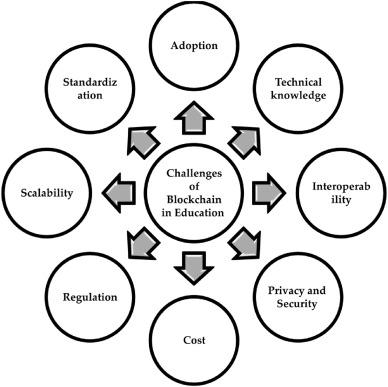
While the advantages are plenty, the adoption of blockchain in academia faces some hurdles:
- Standardization: Lack of global standards can hinder interoperability between institutions.
- Privacy Concerns: It’s crucial to ensure compliance with data protection regulations, such as GDPR.
- Technological Readiness: Many universities lack the expertise or resources for large-scale blockchain implementation.
- Scalability: Managing millions of records on blockchain solutions can pose technical challenges.
Despite these barriers, forward-thinking institutions are collaborating across borders and with industry partners to build adaptable and secure blockchain platforms suited for education.
Practical Tips: How Universities Can Get Started with Blockchain
- Start with Pilots: Launch small-scale pilot programs focused on digital diplomas or transcripts before wide adoption.
- Partner with Experts: Collaborate with established blockchain firms for technical support and best practices.
- Educate Stakeholders: Train staff and inform students about the benefits and usage of blockchain-based credentials.
- Focus on interoperability: Choose open standards like Blockcerts to ensure future-proof, scalable solutions.
- Ensure Security and Compliance: Prioritize privacy, data protection, and regulatory requirements from the start.
First-Hand Experience: The Student Outlook
Many graduates who have received blockchain-based diplomas or transcripts report a smoother transition to the workforce. For example, MIT alumni can send a simple link to potential employers, who can verify degree authenticity instantly—eliminating the weeks-long manual checks that once frustrated both parties. Similarly,international students benefit by moving seamlessly between institutions and countries,with their credentials recognized and accepted globally.
“I was able to apply for jobs abroad without a hitch.The blockchain diploma from my university made the entire process easy, fast, and stress-free.” — Recent Graduate, University of nicosia
The Future of Blockchain in Higher Education
the digital conversion of education is inevitable, and blockchain in higher education is poised to play a major role. As more institutions embrace this technology, expect further innovations:
- Academic Smart Contracts: Automatically trigger scholarships, course credits, or awards based on student achievements.
- Decentralized Learning portfolios: Students can curate lifelong learning achievements from diverse platforms and providers.
- Global Recognition: Credentials can be universally acknowledged, simplifying student mobility worldwide.
Conclusion: Blockchain—Redefining the Academic Landscape
Blockchain technology is not just a buzzword—it’s a paradigm shift for higher education. By enabling secure, transparent, and immutable academic records, blockchain empowers students, eases administrative workloads, and accelerates employment. With compelling case studies from MIT,University of Nicosia,and beyond,it’s clear that the future of academic credentials is decentralized and digital. As technology evolves, embracing blockchain for higher education is not just innovative—it’s essential for universities striving to remain relevant, competitive, and trustworthy in the 21st century.
Ready to Embrace Blockchain in Your Institution?
Explore leading blockchain solutions,start with a pilot program,and join a growing network of forward-looking higher education providers. The journey to a more transparent, efficient, and secure academic future starts now.