
Blockchain in Verifying Qualifications: Revolutionizing Credential Security and Trust
In a digital era where credibility and trust are critical to professional and academic advancement,blockchain in verifying qualifications stands out as a game-changing innovation. Blockchain technology is not just reshaping industries—it’s also revolutionizing how credentials are issued, managed, and verified. This complete guide examines how blockchain fosters secure, clear, and trustworthy digital credentials, and why educational institutes, employers, and individuals shoudl embrace this advancement.
Understanding blockchain for Credential Verification
At its core, blockchain technology is a decentralized digital ledger that records transactions in a secure, immutable, and transparent manner. When applied to credential verification, blockchain ensures that every certificate, diploma, or professional qualification is unique, tamper-proof, and easily validated from anywhere in the world.
- Decentralization: Eliminates reliance on central authority, reducing fraud risks and increasing reliability.
- Immutability: Credentials,once added to the blockchain,cannot be altered or deleted,ensuring authenticity.
- Transparency: Easily track and verify academic and professional achievements without question.
- Security: Advanced cryptography protects sensitive personal facts while offering public verification.
Key Benefits of Blockchain-Based Credential Verification
Integrating blockchain for credential security delivers a range of transformative benefits for institutions, employers, and individuals alike.
1. Enhanced Security and Fraud Prevention
- No forgery: Immutable records prevent falsification of degrees, diplomas, or certifications.
- Reduced verification costs: Automated and transparent processes minimize manual checks and paperwork.
2. Seamless and Instant Verification
- Employers can verify qualifications almost instantly thru a secure blockchain portal.
- Candidates don’t need to wait weeks for credential approval or background checks.
3. Improved Accessibility and Portability
- Digital credentials are available anytime, anywhere, on any device.
- Students and professionals remain in control of their academic records, allowing easy sharing or updating.
4. Increased Trust and Transparency
- Employers,academic institutions,and regulators boost public confidence in the verification process.
- Credentials can be quickly audited and confirmed for compliance needs.
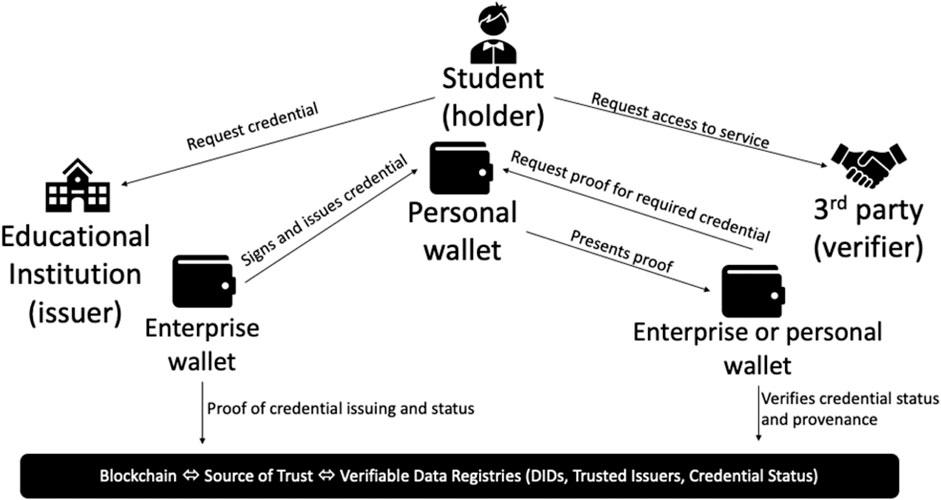
How Blockchain Credential Verification Works
The process of verifying qualifications using blockchain typically involves the following steps:
- Issuance: Universities, training centers, or certifying bodies issue a digital credential, containing the recipient’s information, course, and achievement details.
- Tokenization: The credential is hashed and stored on a blockchain, generating a unique digital token.
- Verification: Employers, education institutions, or third-parties can check the authenticity of credentials through a blockchain-enabled verification portal using the token or QR code.
- Access Control: Individuals manage who can see or verify their credentials, safeguarding their privacy.
Practical Tips for implementing Blockchain Credentials
For organizations and individuals considering blockchain for secure qualifications, here are some actionable steps to ensure a successful transition:
- Choose reputable blockchain platforms: Opt for established providers specializing in education and credentialing (e.g., Blockcerts, Learning Machine, Accredible).
- Start pilot projects: Test credential issuance with small groups before enterprise-wide rollout.
- Train users: Offer guidance to students, faculty, and HR teams to familiarize them with digital credentials and verification workflows.
- Ensure regulatory compliance: Adhere to data privacy laws like GDPR by encrypting sensitive information and prioritizing user consent.
- Promote awareness: Educate stakeholders about the benefits and security of blockchain-based credentials to foster adoption.
Case Studies: Blockchain Transforming Credential Security
MIT: pioneering digital Diplomas
The Massachusetts Institute of Technology launched Blockcerts, an open standard for blockchain-based credentials. MIT now issues digital diplomas on the blockchain, which graduates can share with employers and institutions worldwide.
University of Nicosia: Blockchain for Academic Records
As the first university to offer a master’s degree in digital currency, the University of Nicosia also became a leader in blockchain credentialing, issuing academic certificates securely on the blockchain to prevent fraud.
Sony Global Education: Blockchain for Skills Certification
Sony integrated blockchain into its education platform for secure and scalable management of student achievement records. This project showcases the power of distributed ledger technology in fostering trust and efficiency in diverse educational environments.
First-Hand Experience: Voices from the Field
“Blockchain-based verification made a huge difference. When applying for jobs abroad, employers could instantly validate my university degree and certifications without the usual paperwork or lengthy wait times. It’s fast, secure, and stress-free.”
— Julia M., Software engineer
“Implementing blockchain credentialing has saved our administration hundreds of hours each semester. Parents, students, and employers now have access to real-time verification, which greatly improves our reputation and trustworthiness in the education sector.”
— Dr. James Taylor, University Registrar
Challenges and Considerations
- Initial investment: Upfront costs for technical infrastructure and training are necessary.
- Interoperability: Ensuring credentials work across diffrent platforms and regions can be complex.
- Legal and regulatory hurdles: Data privacy and cross-border credential recognition require careful planning.
However,as standards evolve and adoption grows,these barriers are gradually diminishing. Solutions are being developed to bridge interoperability gaps and streamline legal compliance worldwide.
The Future of Credential Verification with Blockchain
The momentum behind blockchain in credential security is undeniable. Leading institutions, governments, and global employers recognize the value of secure, unalterable, and instantly available digital credentials. The potential applications extend far beyond education—into healthcare, licensing, workforce training, and talent management. As blockchain technology matures, expect seamless cross-border verification and new standards of trust.
Conclusion: Embrace the Revolution in Credential Trust
the world is rapidly moving towards digital-first solutions. blockchain in verifying qualifications is no longer a futuristic concept—it’s a present-day reality that’s transforming how we prove, share, and secure our achievements. Enhanced trust, unparalleled security, and global accessibility are within reach for everyone ready to embrace blockchain credentialing. Whether you’re an educator, employer, student, or professional, now is the time to explore how blockchain can future-proof your credentials and propel your credibility into a new era of transparency and trust.