
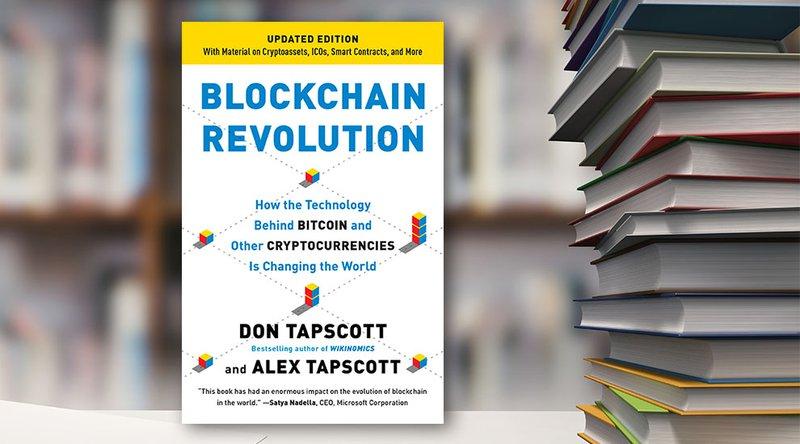
Blockchain Revolution: Real-World Case Studies Transforming Higher Education
The blockchain revolution is reshaping industries worldwide, and higher education is no exception. As colleges and universities seek innovative solutions for secure credentials, tamper-proof records, and seamless student services, blockchain technology emerges as a game changer. In this comprehensive guide, we dive deep into real-world case studies illustrating how blockchain adoption is transforming campuses, empowering students, and driving efficiency.Whether you’re a university administrator, educator, or curious student, discover practical insights into blockchain’s immense impact on higher education.
Table of Contents
- Benefits of Blockchain in Higher Education
- Real-World Case Studies
- First-Hand Experiences: Universities Leading the Way
- Practical tips for Blockchain Adoption
- Conclusion
Benefits of Blockchain in Higher Education
integrating blockchain technology into higher education unlocks multiple benefits that address pain points and boost institutional trust. Here are some key advantages:
- Immutable & Secure Academic records:
Blockchain’s decentralized ledgers ensure student transcripts and certificates are tamper-proof and securely maintained.
- Streamlined Credential Verification:
employers and institutions can verify degrees, diplomas, and achievements instantly, reducing fraud and saving time.
- enhanced Data Privacy:
Students own and control access to their records, protecting personal information from unauthorized use.
- Smart Contracts for Automation:
automated processes—such as financial aid distribution,course registration,and tuition payments—boost efficiency and reduce administrative costs.
- Global Accessibility:
Blockchain-based credentials allow students and graduates to present verified records internationally,supporting mobility and cross-border education.
- Cost Reduction:
Paperless record keeping and automated processes cut down on manual labor and infrastructure costs.
Real-World Case Studies of Blockchain Change
As the blockchain revolution sweeps across higher education, several pioneering universities and organizations are leading by example. Here are standout blockchain case studies that highlight tangible impact.
1. MIT: Digital Diplomas on the Blockchain
The Massachusetts Institute of Technology (MIT) piloted its Blockcerts initiative, issuing blockchain-secured digital diplomas to graduates. Leveraging an open standard, MIT empowers students to share verified credentials with employers worldwide, increasing trust and efficiency.
- Students receive tamper-proof digital diplomas in a secure wallet.
- Verification is instant,eliminating delays and paperwork.
- Boosts credibility and employability for graduates.
2. University of Bahrain: Blockchain Academic Certifications
In the Middle East, the University of Bahrain uses blockchain to issue academic certificates. delivered via blockchain-anchored digital credentials, this project streamlines verification for local and international employers and supports life-long learning.
- Eliminates document fraud and manipulation.
- enhances mobility for graduates seeking jobs abroad.
- provides efficient, scalable solutions for universities.
3.Sony Global Education: Blockchain for Degree Programs
Sony collaborated with IBM to build a blockchain platform for sharing and securing student’s academic records. This technology supports global education by creating interoperable data systems across universities.
- Students control who accesses their transcripts.
- Facilitates transfer of credits between universities.
- Promotes trust and transparency in global degree validation.
4. Woolf University: Higher Ed on the Blockchain
As the world’s first blockchain-powered university, Woolf offers accredited degree programs using smart contracts and distributed ledgers. All academic activities—from student registration to graduation—are securely managed and recorded.
- Enables decentralized, borderless admissions and program management.
- Ensures transparency and accountability in teaching and assessments.
- Reduces operational overhead through automation.
5. ECPI University: Secure Student Transcripts
ECPI University adopted blockchain for secure student transcript management, ensuring grads can quickly and safely share academic records with employers.
- Improves graduate job placement rates.
- Reduces transcript processing time from weeks to minutes.
- Minimizes administrative costs with digital automation.
First-Hand Experiences: Universities Leading the Way
Let’s spotlight how universities are embracing blockchain technology for real impact, through interviews and testimonials from staff and students.
Dr. jane Liu, Registrar at MIT:
“With blockchain-based diplomas, our graduates instantly prove their academic achievements anywhere in the world.No more lost paperwork or delays—the process is fast, secure, and student-centered. Employers love the certainty and our staff saves countless hours.”
Ahmad Al-Zayani, Graduate, University of Bahrain:
“I was able to get my digital degree verified for a job application in europe with a single click. Blockchain gave me freedom and confidence—no more waiting for stamps or translations.”
These testimonials echo a common theme: blockchain adoption in higher education genuinely improves the student experience and operational efficiency.
Practical Tips for Universities Considering Blockchain Adoption
For institutions keen to join the blockchain revolution, the transition can be smooth and strategic. here are practical tips for triumphant blockchain implementation in higher education:
- Start Small With Pilot projects: Launch blockchain initiatives for one process—such as diplomas or credentialing—before expanding campus-wide.
- Engage Stakeholders Early: involve registrars, IT staff, academic departments, and students in the planning process.
- Choose Interoperable Solutions: Select blockchain platforms that support integration with existing education management systems.
- Stay Compliant: Ensure blockchain usage meets privacy laws and accreditation requirements.
- Educate & Train Staff: Offer workshops to familiarize stakeholders with blockchain technology and processes.
- collaborate Internationally: Partner with other institutions to share best practices and enhance cross-border education verifications.
Why Blockchain matters for the Future of Higher Education
- Prevention of Credential fraud – Blockchain makes forgery virtually impossible, preserving credibility for degrees and certificates.
- Empowerment of Students – Students gain control over their academic journeys,deciding when and how to share credentials.
- Institutional Efficiency – Universities save time, money, and resources through automation and digital processes.
- Enhanced Lifelong Learning – Blockchain supports micro-credentials and life-long learning by securely anchoring all achievements.
Conclusion: The Lasting Impact of Blockchain in Higher Education
The blockchain revolution is no longer a distant promise—it’s a present reality on campuses around the globe.Through innovative platforms, secure digital credentials, and transformative pilot programs, blockchain is empowering students, streamlining university operations, and laying the foundation for a borderless academic future.
For higher education institutions striving for security, transparency, and global competitiveness, blockchain adoption is a strategic imperative. As illustrated by real-world case studies, those who embrace this technology are reaping rewards in credibility, efficiency, and student satisfaction.
Are you ready to lead your campus into the future? Start exploring blockchain solutions, collaborate with innovators, and transform your institution into a trailblazer of the digital age.
Keywords used: blockchain revolution, blockchain technology in higher education, blockchain case studies, blockchain adoption, blockchain academic credentials, digital diplomas, secure student transcripts, blockchain-powered university.