
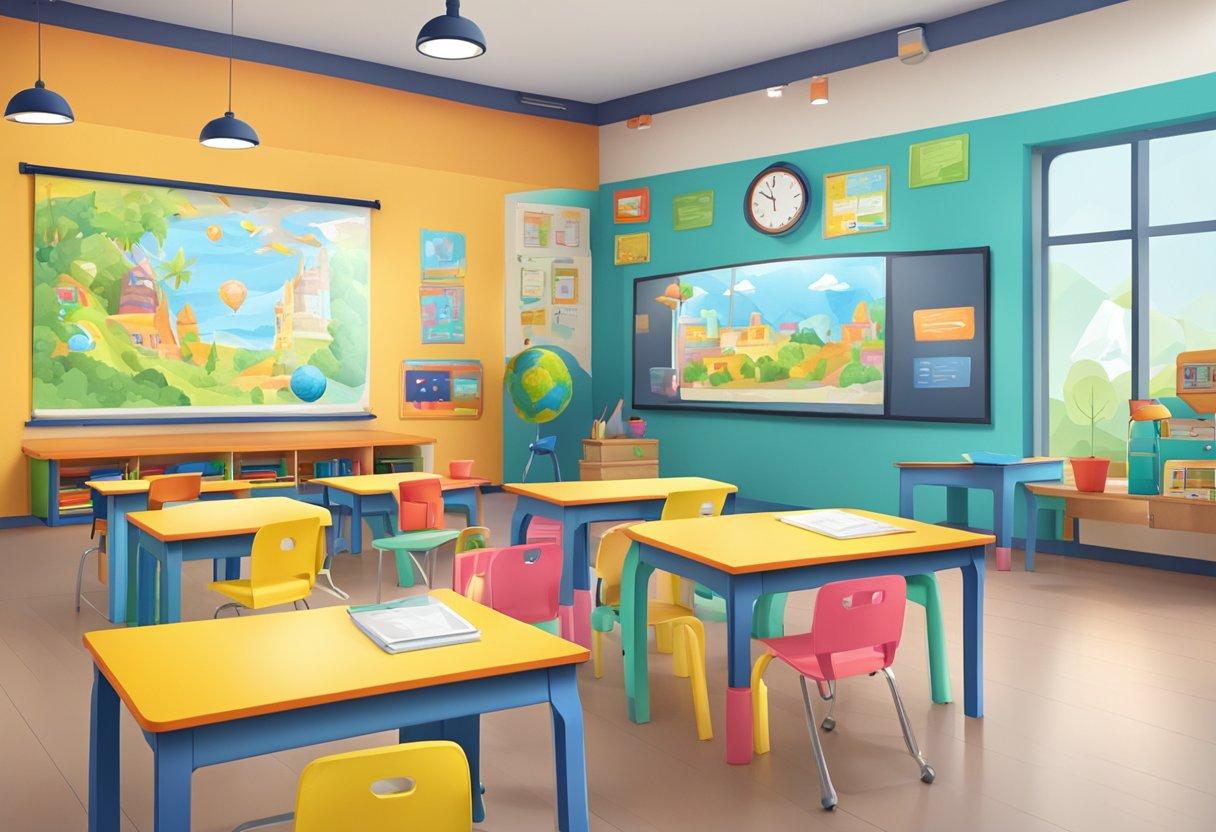
Boost Student Engagement: Integrating Gamification into Standard Curricula for Effective Learning
In today’s rapidly evolving educational landscape, one of the greatest challenges teachers face is maintaining high levels of student engagement. Conventional teaching methods can often fall short, especially in a world where technology and entertainment vie for students’ attention. Enter gamification in education—the innovative practice of incorporating game-based elements within traditional curricula. By leveraging game mechanics, educators can inspire students, foster deeper understanding, and enhance effective learning. In this article, we’ll explore the benefits, real-world implementations, and actionable tips for successfully integrating gamification into your classroom to boost student engagement.
What is Gamification in Education?
Gamification refers to the use of game design principles—such as points, leaderboards, badges, and challenges—in non-game contexts like education.Rather than turning lessons into actual games, educators incorporate game-like features into standard curricula to motivate students and encourage more active participation. The goal is to capitalize on students’ natural desires for competition, achievement, and social interaction to make the learning process more engaging and effective.
- Points and Badges: Recognise progress and accomplishments.
- Leaderboards: Foster healthy competition among students.
- Quests and Challenges: Provide targeted learning tasks and objectives.
- Levels and Rewards: Allow students to unlock new content as they master concepts.
Key Benefits of Integrating gamification into Standard Curricula
When thoughtfully designed, gamified learning experiences can transform the traditional classroom. Here’s how integrating gamification can boost student engagement and drive effective learning outcomes:
- Increased Motivation: Game elements like progress bars and badges tap into intrinsic motivation, encouraging students to strive for mastery.
- Active Participation: Gamification makes lessons interactive, prompting students to participate rather than remain passive.
- Instant Feedback: Many gamified systems provide immediate responses to student actions, allowing them to recognize and correct errors in real-time.
- Enhanced Collaboration: Multiplayer challenges and group quests foster teamwork and social learning.
- Personalized Learning Paths: With levels and adaptive challenges, students can progress at their own pace, accommodating different learning styles.
- Reduced Fear of Failure: A game-like environment encourages trying again,reducing anxiety about making mistakes and fostering a growth mindset.
Real-World Examples and Case Studies
Numerous schools and institutions have implemented gamified learning strategies with remarkable success. Here are some notable case studies:
case Study 1: Classcraft in middle Schools
The gamification platform Classcraft transforms the classroom into a collaborative adventure where students earn points for positive behaviors and academic achievements. In multiple pilot programs, schools reported a 30% increase in class participation and notable improvements in classroom behavior.
Case study 2: Kahoot! for Quizzes and Review
Kahoot! is a free gamified platform where teachers can create custom quizzes. Students compete in real-time, earning points for correct answers and speed. Research has shown that integrating Kahoot! boosts student engagement and details retention compared to traditional review methods.
Case Study 3: Minecraft: Education Edition
In primary and secondary education, Minecraft: Education Edition enables students to build virtual worlds as they learn complex subjects like mathematics, history, and science. Educators have noted higher levels of student enthusiasm, improved collaboration skills, and increased knowledge retention.
Practical Tips for Integrating Gamification into Curricula
If you’re ready to harness the power of gamification to increase student engagement, consider thes practical, classroom-tested strategies:
- Start Small: Begin by integrating simple elements like rewards, quizzes, or badges before moving on to more complex game mechanics.
- align Game Elements with Learning Objectives: Ensure that every gamified activity directly ties into your desired educational outcomes,maintaining the integrity of your curriculum.
- Mix Digital and Non-Digital Tools: Use both interactive online platforms (e.g., Kahoot!, Quizizz) and offline activities (e.g., board games, classroom competitions) to suit different environments.
- Encourage Collaboration and Healthy Competition: Design group quests and competitive tasks to promote teamwork and social interaction.
- Track Progress and Celebrate Achievements: Use progress bars, leaderboards, or class “levels” to give students visible feedback on their journey.
- Gather Student Feedback: Regularly ask students for their thoughts on gamified activities to ensure they remain fun, meaningful, and effective.
- Promote Autonomy and Choice: Whenever possible, allow students to pick challenges, roles, or rewards, increasing their investment in the learning process.
Expert Insights and First-Hand Experience
Many educators who have embraced gamification report transformative results. As an example, Samantha Jones, a high school biology teacher, shares:
“Introducing game elements like badges and team challenges completely changed the dynamic in my classroom. Students who were previously disengaged started competing to reach new levels and collaborate with peers—they were excited about learning science!”
This sentiment is echoed by other teachers, who note that gamified classrooms frequently enough see improved attendance, higher homework completion rates, and more positive attitudes toward difficult subjects.
Common Pitfalls and How to Avoid Them
While gamification can be a game-changer, careful design is crucial. Here are some common mistakes—and how you can avoid them:
- Overemphasis on Competition: Focus on growth and collaboration rather than just winning, to prevent discouraging less competitive students.
- Ignoring Individual differences: Offer a variety of tasks and paths to cater to diverse learning styles and abilities.
- Forgetting the Fun: Make sure the activities feel like games, not just repackaged assignments, to maintain intrinsic motivation.
- Neglecting Feedback: Ensure students receive regular, constructive feedback—one of the primary advantages of gamified learning.
Conclusion: the Future of Gamified Learning
Integrating gamification into standard curricula is more than just a trend—it’s a powerful approach to boost student engagement and nurture a passion for lifelong learning. By carefully selecting and tailoring gamification strategies to your unique classroom context, you’ll not only motivate students but also help them build critical skills in collaboration, problem-solving, and self-directed learning. As technology and pedagogy continue to evolve, gamified education is poised to become a cornerstone of effective teaching.
Ready to take your teaching to the next level? Start small, stay student-centered, and watch as your classroom transforms into a vibrant, interactive, and highly-engaged learning environment.