
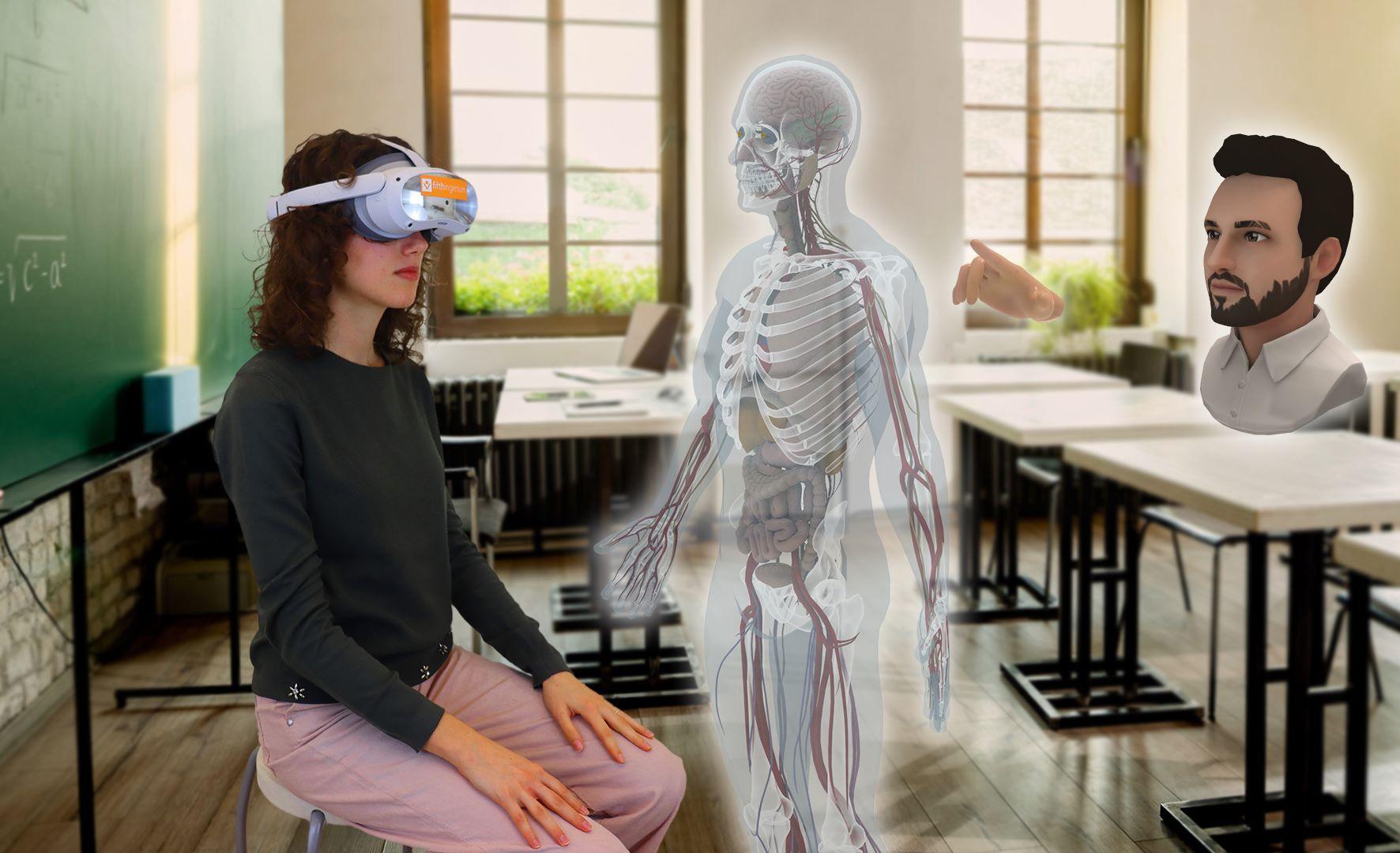
Breaking Barriers: How to Overcome Challenges in Integrating VR/AR into School Curricula
Virtual Reality (VR) and Augmented Reality (AR) are reshaping the educational landscape, offering immersive and interactive experiences that captivate students and enhance learning outcomes. While the benefits of VR/AR in education are widely acknowledged, integrating these technologies into school curricula comes with unique hurdles. This article explores the key challenges of VR/AR adoption in schools and provides practical, SEO-optimized solutions drawn from real-world experiences and expert insight.
Table of Contents
- The Transformative Potential of VR/AR in Schools
- Common Challenges in VR/AR curriculum Integration
- Breaking Barriers: Proven strategies for success
- real-Life Case Studies: Schools Leading the Way
- Practical Tips for seamless VR/AR integration
- Conclusion
The Transformative Potential of VR/AR in Schools
The integration of VR and AR in schools is revolutionizing how students engage with content. From virtual field trips that transport learners to past landmarks,to interactive science simulations that let them explore complex concepts hands-on,the possibilities are endless. Research indicates that students using VR/AR show increased motivation and retention rates compared to traditional teaching methods.
- Enhanced Participation: Immersive technology fosters deeper engagement.
- Personalized Learning: Adaptive VR/AR environments can cater to individual learning styles.
- Real-World skills: Simulated experiences develop critical thinking,collaboration,and digital literacy.
Common Challenges in VR/AR Curriculum Integration
Despite the immense potential, integrating VR/AR into school curricula is not without its difficulties. Schools often grapple with:
- Cost Constraints: Hardware and software can be expensive for underfunded schools.
- Technical Hurdles: Inadequate infrastructure and lack of tech support hinder implementation.
- Curriculum Alignment: Difficulty in mapping VR/AR content to standard learning objectives.
- Teacher Training: Educators may feel unprepared or overwhelmed by new technologies.
- Equity and Accessibility: Ensuring all students, including those with disabilities, can benefit from VR/AR experiences.
Breaking Barriers: Proven Strategies for Success
Addressing these challenges requires a thoughtful,multifaceted approach. Here’s how pioneering schools and educators are breaking barriers in VR/AR integration:
1. Prioritize Scalable Platforms and Open-Source Tools
Leverage affordable and flexible VR/AR solutions designed for education. open-source platforms and free content libraries reduce costs while fostering innovation.
2.Build Strong Community Partnerships
Collaborate with local businesses, universities, and tech companies for sponsorship, mentorship, or access to shared VR/AR labs.
3. Start Small, Scale Gradually
Pilot programs with clear learning goals allow schools to test VR/AR impact without overwhelming resources. Successes can then be scaled district-wide.
4. Invest in Professional Development
Provide ongoing training for teachers,including workshops,online tutorials,and peer coaching networks. Empower educators to become champions of immersive learning.
5. Focus on Curriculum Integration
Work with curriculum designers to weave VR/AR content seamlessly into lesson plans—ensuring alignment with educational standards and objectives.
6. address Equity Through Thoughtful Planning
Choose devices with inclusive design features and offer alternative experiences for students with physical or sensory challenges.
Real-Life Case Studies: Schools Leading the Way
Let’s look at how real schools are surmounting obstacles and achieving success with VR/AR educational technology:
Case Study 1: Franklin middle School, Texas
Franklin Middle piloted a VR science module funded through a local grant and support from a nearby university. Teachers received dedicated training, and lessons were tailored to core STEM standards. Student engagement soared, and academic outcomes improved in science comprehension tests by 18% within one semester.
Case Study 2: Willowbrook Primary, UK
By leveraging Google Expeditions and low-cost cardboard headsets, Willowbrook made virtual field trips a staple in their history curriculum. The school also introduced after-school VR clubs, fostering community excitement and digital literacy among students of all backgrounds.
Teacher Testimonial
“Integrating AR into our math lessons made abstract concepts tangible for our students. With proper training and a phased approach, our teachers became more confident, and even skeptical parents saw the value.”
– Ms. Callahan, Technology Coordinator, Franklin Middle School
Practical Tips for Seamless VR/AR Integration
ready to introduce or expand VR/AR in your school curriculum? Here are actionable steps to make your rollout a success:
- conduct a Needs Assessment: Survey staff and students to identify specific learning goals and technology gaps.
- Develop a VR/AR integration Plan: Map technology use to curriculum units and set measurable objectives.
- Start with Accessible Hardware: Consider using smartphones and cardboard viewers before investing in higher-end equipment.
- Use Pre-Made Educational Content: platforms like Google Expeditions, nearpod VR, and Merge Cube offer classroom-ready experiences.
- Establish Tech Support Protocols: Train student “tech leaders” and provide clear guidance to troubleshoot common issues.
- Solicit Ongoing Feedback: Regularly collect feedback from teachers, students, and parents to refine your approach.
- Foster a Culture of Experimentation: Encourage creativity, share success stories, and celebrate small wins.
Key keywords for VR/AR Curriculum Integration:
- Integrating VR/AR into school curricula
- VR/AR in education
- Immersive learning technology
- Educational VR/AR barriers
- Virtual reality classroom integration
- augmented reality lesson planning
- VR/AR teacher training
- Equitable access to educational technology
Conclusion
The road to successfully integrating VR/AR into school curricula is paved with both challenges and opportunities. By understanding common obstacles and leveraging proven strategies—including community partnerships, phased pilots, and substantial teacher support—schools can unlock the full potential of immersive technology. As classrooms evolve, overcoming these barriers is not just possible; it is essential for preparing students with the skills and mindset needed in the 21st century.
Are you ready to break through the barriers? Start small, plan strategically, and let your school become a leader in the transformative journey of VR/AR-enabled learning.