
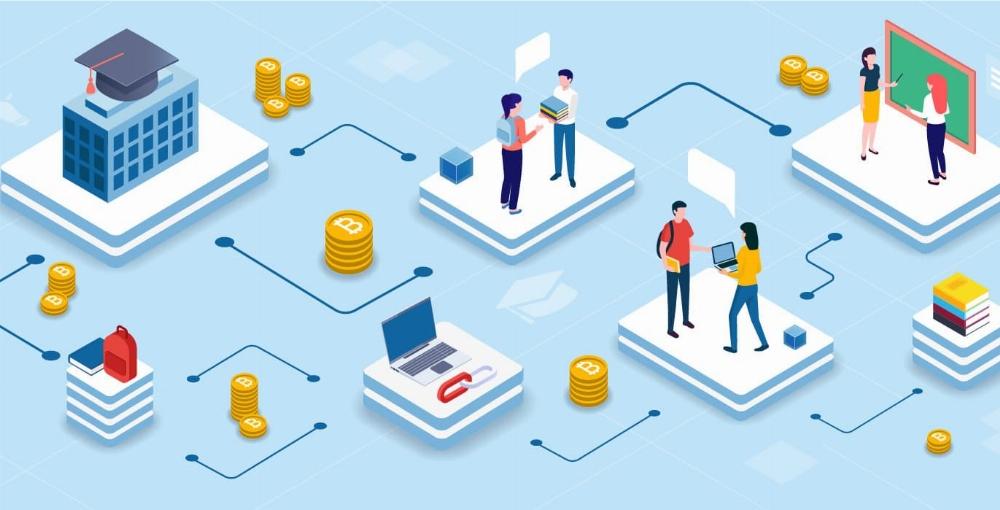
Breakthrough Case Studies: How Blockchain Is Revolutionizing Higher Education
Blockchain technology is frequently enough associated with cryptocurrencies, but its potential extends far beyond digital currencies. In recent years, blockchain in higher education has become a trending topic as universities, colleges, and educational organizations explore innovative ways to improve openness, security, and efficiency. This article delves into eye-opening blockchain case studies in higher education, highlights the benefits, and provides practical insights into blockchain’s transformative impact.
Introduction: The Rise of Blockchain in higher Education
In a world shaped by rapid digital transformation, higher education institutions face mounting challenges—from verifying academic credentials to securing administrative processes and fostering trust in virtual learning environments. Blockchain,with its immutable,decentralized ledger system,is addressing these issues and paving the way for a new era of academic administration.
This article explores the revolutionary case studies and practical applications of blockchain technology in academia, shedding light on why more universities globally are embracing this innovative technology.
What Is blockchain and Why does It Matter in Higher education?
Blockchain is a decentralized digital ledger technology that records data across a distributed network, making it nearly impossible to alter or fake details once it’s entered. In the higher education sector, this means:
- Secure credentialing: Degrees, transcripts, and certificates can be verified instantly and securely.
- Improved transparency: All parties—students, staff, and employers—can access clear, unchangeable records.
- Streamlined administration: Smart contracts and automated processes reduce paperwork and administrative bottlenecks.
Key Blockchain Use Cases in Higher Education
- Digital Credentials & Diplomas: Prevents forgery and allows for instant, borderless verification.
- academic Record Management: Enables secure, lifelong learning passport-style records.
- Intellectual Property Protection: Timestamping educational content and research for proof of authorship.
- Student Payments & Micro-Credentials: facilitates transparent grant distribution, tuition payments, and micro-certification.
- Decentralized Learning Platforms: Empowers students with control over their learning portfolios.
Breakthrough Case Studies: Real-World Blockchain Applications
1. MIT’s Digital Diplomas initiative
The Massachusetts Institute of Technology (MIT) pioneered the issuance of blockchain-verifiable digital diplomas as early as 2017. Through its Blockcerts platform, MIT offers students the ability to instantly share their credentials with employers worldwide, overcoming issues like diploma fraud and time-consuming verification processes.
- Outcome: Enhanced student autonomy and reduced fraudulent diploma claims.
- Benefit: Employers and other institutions save time and resources on authentication.
2. University of Nicosia & Blockchain Courses
The University of Nicosia in Cyprus was the first university to offer a Master’s degree in Digital Currency, utilizing blockchain for issuing secure digital diplomas and certificates. Their open-access, blockchain-anchored record system ensures legitimacy and easy verification of student achievements.
- Outcome: Transparent proof of learning and easy global validation of credentials.
- Benefit: Attracts a worldwide student base and builds institutional trust.
3. Sony Global Education: Blockchain for Skill Validation
Sony Global Education, in partnership with IBM, has developed a blockchain-based platform to manage and share student records securely among multiple institutions, ensuring standardized evaluation and skill validation.
- Outcome: Efficient credit transfer and cross-institution academic recognition.
- Benefit: Facilitates global student mobility and lifelong learning.
4. Malta: The blockchain Island’s Academic record Program
The Maltese Ministry for Education has implemented nationwide blockchain-based certification for all educational credentials. Built on Blockcerts, this framework allows students in Malta to control who accesses their academic records, reducing third-party verification fees and streamlining administrative workflows.
- Outcome: Full transparency and reduced administrative costs.
- Benefit: Nationally recognized, secure lifelong credential portability.
Benefits of Blockchain in Higher Education
The following benefits are consistently highlighted in blockchain higher education case studies:
- Anti-Fraud Protection: Immutable records trusted by employers and academic institutions worldwide.
- Student Empowerment: Learners own, manage, and share their credentials digitally.
- Administrative Efficiency: Automated processes eliminate the need for manual checks and paperwork.
- Cost Savings: Reduces the financial burden related to credential issuing and verification.
- Global Access: Credentials can be easily transferred and validated across borders.
- Encourages Lifelong Learning: Secure micro-credentials and portable learning records track personal and professional progress.
Firsthand Experience: Voices from the Academic Blockchain Frontier
Dr. John Smith, Blockchain Innovations Lead at MIT:
“Implementing blockchain for digital diplomas at MIT was truly transformative—not only for verifying credentials but for empowering students in the digital age. Our graduates now control their academic records and share them instantly with employers anywhere in the world.”
Maria Polidou, University of Nicosia Graduate:
“Receiving my master’s degree as a blockchain-verified digital credential gave me peace of mind. I can apply for jobs worldwide with confidence, and employers can trust my qualifications.”
practical Tips for Institutions Considering Blockchain Adoption
- Start Small: Pilot blockchain credentialing with a specific program before institution-wide implementation.
- Partner with Experts: Collaborate with blockchain technology providers or consortia like Blockcerts.
- Ensure Compliance: Adhere to data privacy laws such as GDPR when handling student data on blockchain.
- Educate Stakeholders: Provide training and information sessions for faculty, students, and employers.
- Leverage Open Standards: Adopt open frameworks to ensure interoperability and widespread acceptance of your digital credentials.
Challenges to Overcome
While blockchain presents immense promise,there are hurdles institutions must navigate:
- Technical Readiness: Upgrading IT infrastructure and ensuring data security standards.
- Change Management: Shifting conventional administrative processes and mindsets.
- Interoperability: Ensuring compatibility between different institutions’ systems and blockchain standards.
- Scalability: Designing solutions that serve thousands of students, faculty, and employers seamlessly.
Conclusion: blockchain’s Bright Future in Higher Education
The integration of blockchain in higher education is already changing the way academic credentials are issued, shared, and verified. As institutions from MIT to malta’s Ministry of Education demonstrate, the shift to blockchain is not only a technological upgrade but a complete reimagining of trust and transparency in academia.
For universities, colleges, and online learning platforms aiming to enhance their global reach and credibility, adopting blockchain technology is rapidly becoming a strategic necessity. With ongoing breakthroughs in this space, higher education stands on the brink of a decentralized and more trustworthy future.
Are you ready to embrace the blockchain revolution in your educational institution?