
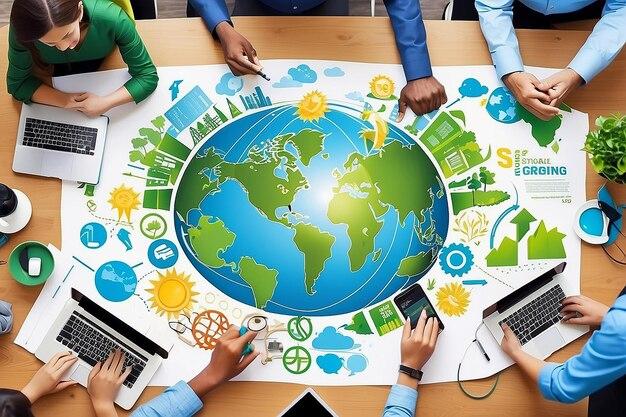
Bridging EdTech and Environmental Education: Innovative Approaches for a Sustainable Future
As environmental challenges intensify worldwide, fostering environmental awareness and sustainability becomes an educational imperative. EdTech—or educational technology—offers transformative opportunities for engaging students in environmental learning. By merging interactive digital tools with eco-focused curricula, educators can nurture a generation equipped to protect the planet. In this thorough guide, we explore how bridging EdTech and environmental education paves the way for a sustainable future, highlight innovative approaches, present practical tips, and showcase inspiring case studies.
Why edtech is Vital for Environmental Education
customary environmental education methods—lectures, textbooks, and field trips—are impactful, yet often constrained by resources, geographical barriers, and lack of engagement. EdTech solutions break these barriers, offering scalable, interactive, and personalized learning experiences. Here’s why the fusion of EdTech and sustainability education is so significant:
- Access & Equity: Students in remote or underserved areas can access the same high-quality content as those in urban regions.
- Immersive Learning: Interactive simulations and gamified experiences make complex environmental concepts tangible and captivating.
- Up-to-Date Resources: Digital platforms enable real-time updates on environmental data, scientific discoveries, and policy changes.
- Global Perspectives: virtual classrooms connect learners worldwide, fostering global citizenship and cultural exchange around sustainability.
Innovative EdTech Approaches for Sustainability Education
Modern EdTech tools are reshaping environmental education by offering immersive, data-rich, and collaborative learning environments. Let’s explore key innovative approaches:
1. Gamification and Simulation-Based Learning
Gamified platforms engage students through challenges, rewards, and storytelling, turning sustainability into an achievable mission.Examples include:
- Eco Tycoon: Students manage resources, balance ecosystems, and witness the impact of their choices in simulated worlds.
- Climate Interactive: Interactive models that allow real-time experimentation with policies to observe potential climate impacts.
- Mission: Earth: Game-based quests focused on renewable energy, recycling, and biodiversity preservation.
2.Virtual Reality (VR) and Augmented Reality (AR) Experiences
VR and AR bring distant ecosystems and invisible processes to life. Imagine students “visiting” coral reefs or experiencing deforestation’s effects firsthand—all within a classroom.
- Google Expeditions: Thousands of virtual field trips, including rainforests, polar regions, and urban green spaces.
- EcoVR: Immersive journeys through endangered habitats, raising empathy and understanding of conservation challenges.
3. Data-Driven Citizen Science platforms
EdTech platforms empower students to participate in real scientific research, collecting and analyzing environmental data. citizen science blurs the line between learner and scientist.
- iNaturalist: Users record biodiversity observations, contributing vital data for global conservation efforts.
- Globe Observer: Students track clouds, land cover, and mosquito habitats, sharing findings with NASA scientists.
4. Collaborative Online Learning Communities
Online forums, courses, and project-based platforms connect learners, educators, and experts to co-create sustainable solutions.
- eTwinning and Eco-Schools: international networks where schools share sustainability projects and best practices.
- Green Learning: peer-to-peer challenges, webinars, and resource-sharing around sustainable advancement goals.
Benefits of Integrating EdTech and Environmental Education
The integration of EdTech with environmental education offers numerous benefits for learners, educators, and the broader community:
- Enhanced Engagement: Interactive formats spark curiosity and sustain attention.
- Practical Skill Development: Students acquire digital literacy, data analysis, and critical thinking skills alongside environmental knowledge.
- Measurable impact: Digital tools allow for real-time progress tracking and impact assessment.
- Scalability: Digital resources can reach thousands of students worldwide with minimal environmental footprint.
- Reduced Resource Consumption: Using online platforms reduces reliance on printed materials and enables low-carbon learning.
Case Studies: EdTech Driving Environmental Change
Case Study 1: Project GreenClassroom (USA)
A network of K-12 schools in California implemented a blended learning program where students used tablets to conduct air and water quality tests around their campus. Data was uploaded to a cloud dashboard for comparative analysis. Not only did students improve their scientific literacy, but their findings also prompted the local government to address environmental health concerns.
Case Study 2: The Digital Rainforest (Costa Rica)
Science teachers partnered with a local conservation group to give students VR headsets. Through immersive experiences, learners explored Costa Rica’s rainforests and engaged in online meetings with wildlife experts.The program boosted environmental awareness and inspired several students to pursue careers in eco-technology and conservation advocacy.
Case Study 3: Eco-Coders Initiative (India)
Middle-school students learned coding through an environmental lens. They built simple mobile apps to track recycling habits in their communities, raising awareness and promoting greater participation in local sustainability initiatives.
Practical Tips for Educators: Embracing EdTech for Green Learning
- Start Small: Pilot one EdTech tool—like a data-gathering app or a simple VR experience—before scaling up.
- Integrate Across Subjects: Use environmental themes in math, language arts, and social studies to reinforce sustainable thinking.
- Promote Real-World Connections: Encourage students to undertake local eco-projects, sharing their progress via digital portfolios or blogs.
- Foster Collaboration: Connect your classroom with other schools or experts for joint sustainability challenges or global webinars.
- Ensure Digital Equity: Advocate for access to devices and high-speed internet, and design activities that consider varying resource availability.
- Leverage Open Educational Resources (OER): Utilize free and adaptable curriculum materials focused on environmental education.
Overcoming Challenges in Bridging EdTech and Sustainability
While the benefits of integrating EdTech and environmental education are immense,certain challenges exist:
- Digital Divide: Not all students have equal access to technology and internet connectivity.
- Teacher Training: Educators need ongoing professional development to effectively use new tools.
- Curriculum Alignment: Ensuring digital activities align with educational standards and learning goals.
- Data Privacy: Proper safeguards must be in place for student data security.
By addressing these barriers through policy, investment, and collaboration, schools can unlock the full potential of EdTech for eco-education.
Conclusion: Building a Sustainable Future Through EdTech Innovation
Bridging EdTech and environmental education offers a dynamic pathway to nurture action-oriented, sustainability-minded global citizens. From immersive simulations and citizen science platforms to collaborative,data-driven projects,the innovative fusion of digital technology and eco-learning ensures that students not only understand the challenges our planet faces but are also empowered to create solutions.
The future of environmental stewardship begins in the classroom—let’s harness the power of EdTech to inspire, educate, and equip tomorrow’s change-makers for a sustainable world.
Ready to embrace innovative EdTech for your green classroom? Explore, experiment, and inspire—empowering your learners to become true guardians of our planet.