
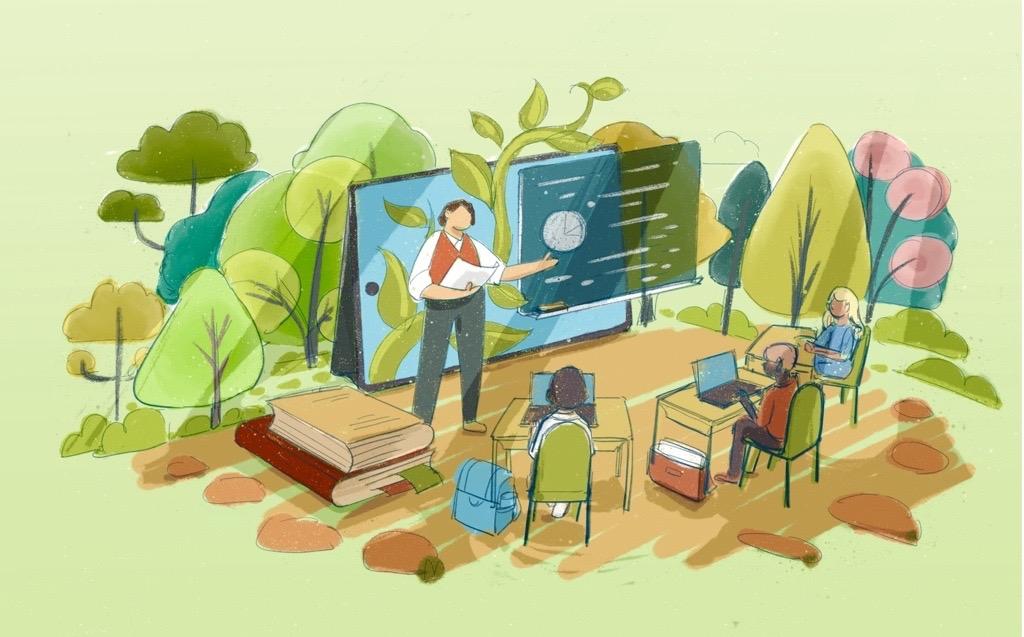
Bridging EdTech and Environmental Education: Innovative Paths to Sustainable Learning
In an era where both technology and environmental sustainability are of paramount importance, blending EdTech with environmental education offers students and educators innovative paths to sustainable learning. With the rise of digital platforms and eco-conscious curricula, integrating these domains provides unique opportunities to cultivate environmental awareness and foster eco-literacy among learners. This article explores how bridging EdTech and environmental education not only enhances learning outcomes but also contributes to a more sustainable future.
why Bridge EdTech and environmental Education?
The convergence of educational technology (EdTech) and environmental education is driven by several essential needs:
- Engaging Learners: Interactive digital tools boost student motivation and make learning about sustainability more accessible and immersive.
- Meeting Global Challenges: Environmental issues such as climate change and biodiversity loss require educational approaches that empower the next generation to take action.
- Scalable Impact: EdTech enables eco-education to reach diverse audiences, regardless of geographical barriers, making sustainability education truly global.
- Data-driven Insights: Digital platforms allow real-time tracking of learning progress and environmental impact, guiding educators in refining their strategies.
Innovative EdTech Solutions for Environmental education
Rapid technological advancements have spurred the development of tools that make environmental education more engaging and impactful. Here are some of the moast promising approaches:
1. Interactive Learning Platforms
EdTech platforms like EcoRise, Nature Lab, and Earth School offer interactive modules on climate, conservation, and sustainable living. These resources incorporate multimedia (videos, quizzes, simulations) and foster collaborative learning.
2.Virtual and Augmented Reality (VR/AR)
Virtual field trips allow students to explore rainforests, coral reefs, or Arctic tundra from their classrooms. AR applications overlay real-time environmental data or 3D models onto the real world, enriching outdoor or indoor eco-education experiences.
3. Gamification for Eco-Literacy
Gamified learning platforms encourage students to learn and apply sustainability concepts through missions and challenges.Apps like Green My Place and iNaturalist empower students to conduct citizen science and make real-world environmental observations.
4. AI-Powered Customization
Artificial intelligence tailors environmental curricula to different learning styles, interests, and proficiency levels. Platforms leverage AI to suggest learning paths, interactive assignments, and real-world problem-solving projects.
Benefits of Integrating EdTech in Environmental Education
- Increased Engagement: Multimedia and interactive technology make complex environmental concepts easier to understand and retain.
- Global Collaboration: Students can connect with peers and experts worldwide, encouraging cross-cultural perspectives on sustainability.
- Hands-On Experience: Digital simulations and citizen science platforms bridge classroom learning with real-world applications.
- Scalable and Adaptive Learning: Customized modules support individual learning needs and promote self-paced progress.
- Promotion of Eco-Entrepreneurship: Students can participate in “green hackathons,” design eco-friendly startups, and propose solutions to local and global environmental problems using technology.
Case Studies: Real-World Success Stories
EcoRise Programs in US Schools
EcoRise empowers students in over 400 US schools to lead sustainability projects supported by digital resources and mentorship. Their EdTech-enabled platform has documented improvements in participants’ eco-literacy and community engagement, while providing actionable insights to educators.
Khan Academy and the Climate Literacy Initiative
By integrating climate science courses into its global EdTech platform, Khan Academy is raising awareness on key environmental issues. Interactive lessons,assessment tools,and real-world projects enable students to learn at their own pace and even organize community projects.
Open University: Virtual Fieldwork
The Open University in the UK leverages virtual fieldwork through VR and digital mapping tools. This approach makes environmental science accessible to students with mobility constraints or those living in urban settings, democratizing access to immersive eco-learning.
Practical Tips for Educators: Implementing EdTech in Environmental Education
- Start Small: Integrate digital resources gradually. Begin with virtual simulations or interactive videos before exploring more advanced tools like VR or AI-driven lessons.
- Promote Inquiry-Based Learning: Use EdTech platforms that emphasize problem-solving and real-world action, such as citizen science or project-based modules.
- Facilitate Collaboration: Connect students with peers globally to exchange solutions and viewpoints on environmental challenges via online forums and webinars.
- Measure and Reflect: Utilize analytics and feedback tools to assess the effectiveness of digital environmental programs and adapt approaches accordingly.
- Champion Digital Citizenship: Teach students how to leverage digital tools responsibly, ensuring ethical and privacy-aware participation in online eco-initiatives.
Overcoming Challenges in Bridging EdTech and environmental Education
- Digital divide: Ensure equitable access to technology by providing devices or offline-accessible resources in under-resourced communities.
- Teacher Training: Provide educators with professional development focused on integrating EdTech into sustainability lessons.
- Curriculum Alignment: Map digital environmental content to existing national or state education standards for streamlined adoption.
- Privacy and security: Implement robust data protection policies, especially when engaging students in online platforms or social learning tools.
First-Hand Experience: A Teacher’s Perspective
“Utilizing EdTech in my environmental science class transformed the way my students connect with the world.Virtual climate simulations and global classroom forums sparked curiosity about sustainability issues beyond their communities. Most importantly, students felt empowered to design and run their own local eco-projects with digital mentorship, nurturing a lifelong commitment to environmental stewardship.”
– Sarah Lee, Middle School Science Teacher, California
Conclusion: The Future of Sustainable Learning Lies in EdTech
As we navigate the pressing need for environmental awareness and responsible citizenship, bridging EdTech and environmental education presents unprecedented opportunities for students and teachers. By embracing innovative digital solutions, we can make eco-literacy mainstream, accessible, and impactful. Now more than ever, pioneering approaches to sustainable learning are not just beneficial—they’re essential for shaping a generation prepared to tackle environmental challenges and lead the world toward a greener future.
For more resources on sustainable learning and EdTech integration, subscribe to our newsletter or explore our curated collection of tools and case studies.