
Bridging the Digital Divide: Global Initiatives Transforming Connectivity Worldwide
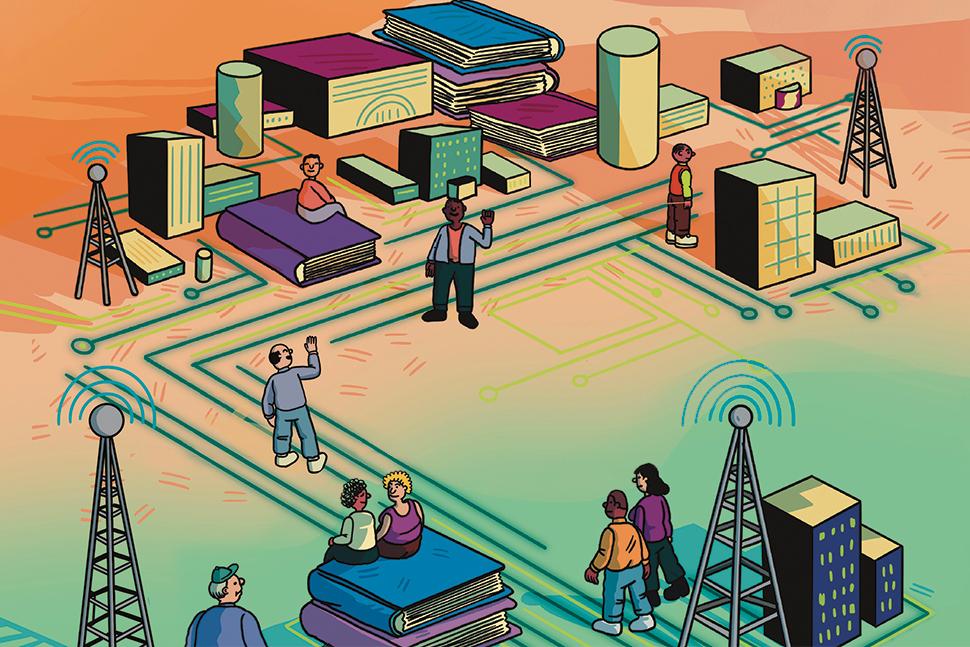
The digital divide refers to the gap between those who have essential access to digital technologies and the internet, and those who do not. As the world accelerates into the digital era, bridging this divide has become a crucial global challenge. Numerous innovative initiatives are being implemented to ensure internet accessibility, digital inclusion, and connectivity for underserved communities, creating a more equitable world. In this article,we’ll explore the digital divide,spotlight global projects transforming connectivity,celebrate case studies,and provide practical ways you can get involved.
Understanding the Digital divide
The digital divide encompasses disparities not only in internet access but also in the quality of connectivity, digital literacy, and the availability of online resources. Key factors contributing to this divide include:
- Geographic barriers (rural, remote, and island communities)
- Socioeconomic status
- Educational inequality
- Infrastructure challenges
- Gender disparities
According to the International Telecommunication Union (ITU), approximately 2.7 billion peopel globally remain offline as of 2023. Closing this digital gap is critical for education, economic development, and social participation.
Major Global Initiatives Bridging the Digital Divide
Countless organizations, governments, and tech giants are spearheading digital inclusion initiatives designed to expand global internet connectivity and provide digital literacy training. Here are some notable programs:
1. OneWeb and Starlink: Satellite Internet for Remote Locations
Companies like OneWeb and Starlink (a SpaceX project) are deploying low Earth orbit satellites to deliver high-speed internet in hard-to-reach areas. By bypassing the need for extensive terrestrial infrastructure, thes projects provide:
- Reliable broadband access in rural and developing regions
- Emergency internet connectivity during disasters
- Opportunities for remote education and telemedicine
2. Google’s Project Loon and Facebook’s Connectivity projects
Google’s Project Loon aimed to bring internet access to remote regions using high-altitude balloons before evolving into broader infrastructure projects. Meanwhile, Meta (formerly Facebook) has invested in internet.org, fiber networks, and Express Wi-Fi in emerging markets.
3. World Bank’s Digital Development Partnership
The World Bank has launched a Digital Development Partnership (DDP) to help countries develop digital infrastructure, ensure affordable internet access, and promote digital skills development.
4. The Alliance for Affordable Internet (A4AI)
The A4AI brings together governments, tech companies, research institutions, and NGOs to drive down the cost of internet access and advance policies for affordable connectivity.
5. African Union’s Digital transformation Strategy
The African Union’s ambitious strategy envisions global digital access by 2030. The agenda prioritizes deployment of broadband, cross-border infrastructure investment, and boosting digital literacy across the continent.
Benefits of bridging the Digital Divide
Expanding digital access is about more than just connectivity; it’s about unlocking human potential. Key benefits include:
- Education: Enables remote learning and access to global knowledge resources.
- Economic Development: Opens up new markets, e-commerce, and employment opportunities.
- Healthcare: Facilitates telemedicine and health information systems in underserved areas.
- Social Inclusion: connects marginalized populations, amplifies voices, and fosters civic participation.
- Innovation: encourages startups and young entrepreneurs in all regions.
Case Studies: Connectivity transforming Lives
Case Study 1: Telemedicine in Rural India
The ECHO Project, in partnership with Indian health authorities, established remote telemedicine centers using satellite internet. These have connected rural health workers to specialist doctors,significantly improving healthcare outcomes for millions.
Case Study 2: Digital Literacy in East Africa
The Digital Opportunity Trust (DOT) trains young leaders in Kenya, Tanzania, and Uganda to deliver digital skills workshops in their communities. this peer-to-peer approach has empowered thousands to harness technology for education and entrepreneurship.
Case Study 3: Rural Connectivity in Latin America
The internet para Todos initiative in Peru has brought 4G internet to over 13,000 rural communities. Partnerships between telecom operators, local authorities, and the World Bank have played a critical role in its success.
Practical Tips: How You can definitely help Close the Digital Divide
- Support organizations dedicated to digital inclusion through donations or volunteering.
- Share knowledge about free or affordable internet resources with those who might benefit.
- Advocate for equality in digital access through social media and community engagement.
- Get involved with local schools and nonprofits to offer digital skills training or refurbished technology.
- Stay informed and participate in initiatives pushing for digital policy reform.
Future Outlook: What’s Next in the Global Connectivity Landscape?
As technology advances, the future of bridging the digital divide looks promising:
- 5G, Fiber Expansion, and Next-Gen Satellite: Faster and broader internet coverage, even in extreme locations.
- AI-driven Solutions: Personalized digital literacy programs and data-driven resource allocation.
- More Inclusive Policy: Governments prioritizing affordability, access for marginalized communities, and equitable infrastructure development.
- Public-Private partnerships: Collaboration among international organizations, corporations, and local communities is key for sustainable change.
Conclusion: empowering a Connected World
Bridging the digital divide is an ongoing mission that requires innovation, collaboration, and commitment from all sectors of society. the transformative global initiatives highlighted above demonstrate that real change is absolutely possible.By supporting connectivity projects, promoting digital inclusion, and advocating for equal access, each of us can definitely help build a digitally empowered, more inclusive world. The journey continues, but the benefits—for education, healthcare, economies, and communities—are already profound and far-reaching.
Ready to be part of the solution? Explore, support, and share the progress of global connectivity efforts to help bridge the digital divide today.