
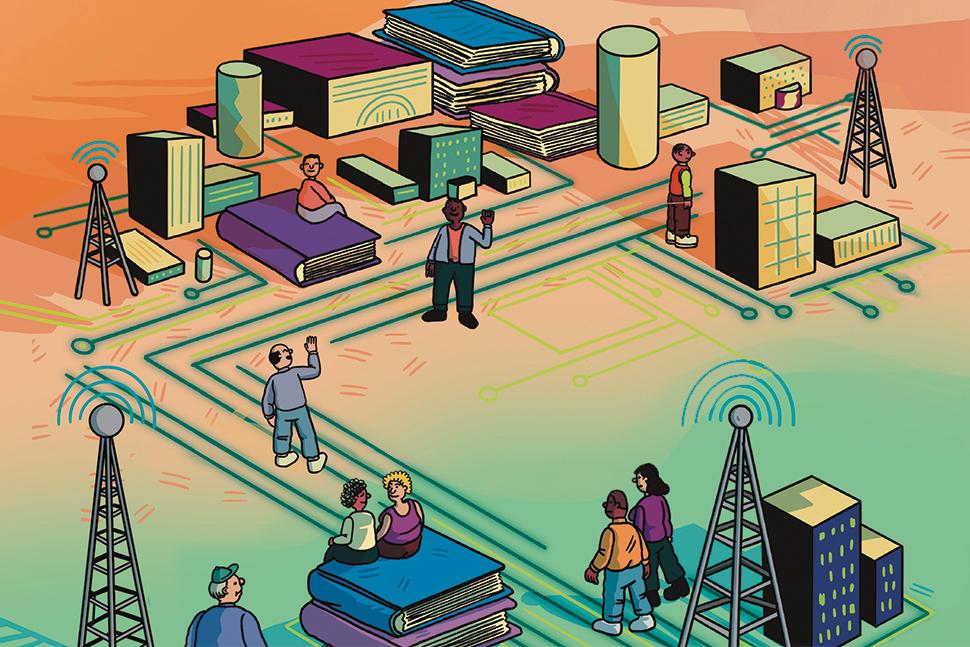
Bridging the Digital Divide: Key Global Initiatives Driving Internet Access for All
Despite rapid technological progress, billions worldwide remain disconnected from the internet, missing out on digital opportunities and resources. The digital divide—the gap between those with and without reliable internet access—presents economic, educational, and social barriers. Tackling this global challenge requires innovative solutions, multi-sector collaboration, and resolute commitment. In this article, we explore the transformative global initiatives, inspiring stories, and practical strategies that are bridging the digital divide and driving progress towards internet access for all.
Understanding the Digital Divide
The digital divide manifests in multiple forms:
- Geographical: Rural and remote areas often lack infrastructure for affordable broadband.
- Economic: High costs of devices and connectivity exclude low-income populations.
- Educational: Limited digital literacy hampers meaningful internet use.
- Social and Gender Gaps: Women, minorities, and marginalized groups disproportionately lack access.
According to the International Telecommunication Union (ITU), about 2.6 billion people—one-third of the world’s population—remained offline as of 2023. Closing this gap is essential for achieving global progress goals and digital equity.
Key Global Initiatives Bridging the Digital Divide
A range of visionary internet access initiatives, partnerships, and projects are actively bridging the digital divide across continents:
1. Internet.org (Meta)
- About: Launched by Meta (formerly Facebook), Internet.org collaborates with local partners to provide free basic internet services in underserved areas.
- Impact: Over 100 million people connected in 65+ countries via Free Basics,supporting communication,healthcare,and education.
- Approach: Data-light websites, zero-rating (no data charge for selected content), and local language content.
2. Project Loon (Google / Alphabet)
- About: Utilized high-altitude balloons to deliver 4G LTE coverage to remote areas following disasters and in rural regions.
- Case Study: After Hurricane Maria in puerto Rico (2017), Project Loon provided emergency connectivity for over 200,000 people.
- Legacy: Even though Project Loon concluded in 2021, its technology and lessons inform other remote connectivity projects.
3. Starlink (SpaceX)
- About: Starlink deploys a vast constellation of low-Earth orbit satellites to deliver high-speed broadband internet globally, including hard-to-reach areas.
- Achievements: Over 2 million users in 65+ countries (as of 2024), enabling access for remote schools, clinics, and businesses.
- Future: The expanding satellite network continues to lower latency and subscription costs, making fast internet increasingly accessible.
4. GIGA Initiative (UNICEF & ITU)
- About: GIGA aims to connect every school globally to the internet, serving as digital hubs for entire communities.
- Progress: Mapping and connecting schools in over 30 countries; over 1.4 million schools mapped as launch in 2019.
- Benefits: Empowers students, educators, and families with digital learning and services.
5.African Union’s Digital Conversion Strategy (2020-2030)
- Vision: Achieve worldwide access to broadband internet for all Africans by 2030.
- Pillars: Expanding digital infrastructure, building digital skills, fostering e-governance, and encouraging investment.
- Outcome: Several countries, including Rwanda and Kenya, have made notable strides in affordable internet access and innovation ecosystems.
Benefits of Bridging the Digital Divide
- Education: Expands online learning, open educational resources, and skills development.
- Healthcare: Facilitates telemedicine, health facts, and emergency response.
- Economic Growth: Spurs job creation, entrepreneurship, and market access for local businesses.
- Social Inclusion: Fosters civic engagement, digital identity, and empowerment for marginalized groups.
- Innovation: drives new solutions in agriculture, fintech, and climate resilience.
Case Studies: Digital Inclusion in Action
Rwanda’s Journey to a “smart nation”
From the early 2000s, Rwanda prioritized digital transformation—investing in nationwide fiber optic networks, public Wi-Fi in buses and markets, and laptop projects in schools.The government’s Smart Rwanda Master Plan has led to:
- Over 95% mobile broadband coverage.
- Digitized government services accessed by millions.
- Growth of Rwanda’s robust tech startup ecosystem.
India’s Digital India Program
Launching in 2015, Digital India aims to deliver digital services to every citizen, bridging rural-urban gaps. Successes include:
- The BharatNet project, deploying broadband infrastructure to over 200,000 village councils.
- Over 1 billion aadhaar digital identities issued for secure service access.
- Expansion of digital literacy and rural e-learning programs.
Personal Story: Empowering Women in Southeast Asia
“With internet access at our community center, I started my own handmade crafts business. Through online marketplaces and digital skills workshops, I earn a stable income and train other women in my village.”
— Mariam,rural Malaysia
Practical Tips for Expanding Internet Access & Bridging the Digital Divide
- Support Community Networks: Invest in local,community-led broadband solutions—frequently enough more affordable and tailored than commercial ISPs.
- Promote Digital Literacy: Organize workshops on internet basics, cybersecurity, and online opportunities for all ages.
- Advocate for Policy: Encourage regulations that reduce costs,foster competition,and protect users’ rights.
- Leverage Public-Private Partnerships: Collaboration among governments, tech companies, and NGOs enables greater reach and innovation.
- Champion Gender & Social inclusion: Design digital programs with women, persons with disabilities, and marginalized groups in mind.
The Road Ahead: Future of Global Digital Inclusion
The journey to universal internet access is ongoing. Innovations such as high-altitude platforms, affordable smartphones, open-source networking, and localized content will continue to drive digital inclusion. Policymakers, business leaders, educators, and community advocates all have roles to play.
As new technologies emerge,attention must also focus on closing second-level divides—ensuring not just connectivity,but quality,safety,relevance,and user skills. Equitable digital futures require intentional investment, transparency, affordability, and a human-centered approach.
Conclusion
Bridging the digital divide demands collective action, innovation, and relentless focus on digital rights and inclusion. By learning from successful global initiatives, building local capacity, and embracing new partnerships, we can move closer to a world where internet access for all is a reality, not just a slogan.
Join the movement—advocate, invest, collaborate, and help shape a truly connected future for everyone!