
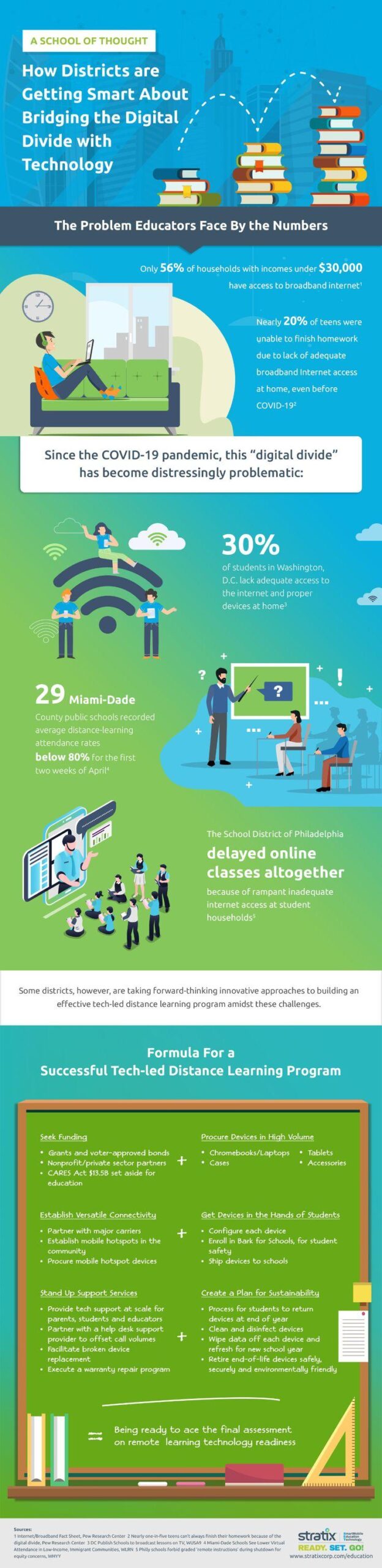
Bridging the Digital Divide: Key Global Initiatives Tackling Internet Inequality
In today’s hyper-connected world, reliable internet access is as vital as electricity, clean water, and roads. Yet, digital inequality remains a stark reality for billions. Bridging the digital divide—the gap between those with and without access to the internet—has become a top priority for governments, NGOs, and tech innovators worldwide. This article explores the key global initiatives tackling internet inequality, the profound benefits of closing the digital gap, and practical ways we can support digital inclusion in our own communities.
Understanding the digital Divide
the digital divide refers to disparities in internet access and digital literacy, typically along socioeconomic, geographic, gender, and generational lines. While urban centers in developed countries progress towards 5G and fiber-optic connectivity, rural communities in low-income nations might lack even basic broadband. According to a 2023 report from the International Telecommunication Union (ITU), nearly 2.7 billion people worldwide remain offline—highlighting urgent internet inequality.
- Socioeconomic Barriers: High costs for devices and data plans exclude low-income families.
- Geographic Disparities: Remote and rural areas often lack the necessary infrastructure.
- Gender Gap: In some regions, women are far less likely than men to be connected.
- Digital Literacy: Even with connectivity, insufficient computer skills widen the divide.
Why Bridging the digital Divide Matters
Internet inequality impacts access to education, healthcare, job opportunities, and participation in the digital economy. Bridging this gap boosts social and economic advancement by:
- Empowering Education: Global internet access supports e-learning in classrooms and at home.
- Expanding Job Opportunities: Remote work and online entrepreneurship thrive in connected communities.
- Improving Healthcare: Telemedicine and digital health services reach remote or underserved populations.
- Driving Social Inclusion: Access to details reduces isolation and amplifies marginalized voices.
Key Global Initiatives Tackling Internet Inequality
Across continents, bold digital inclusion initiatives are transforming the landscape. Here’s how organizations and partnerships are bridging the digital divide globally:
1. Alliance for Affordable Internet (A4AI)
Established by the World Wide Web Foundation, A4AI brings together governments, industries, and civil society groups to advocate for policy reforms and market competition that reduce internet costs. Its work has directly influenced the adoption of affordable broadband policies in over 30 countries.
2. Internet.org by meta (formerly Facebook)
Internet.org aims to provide free or low-cost basic internet services in developing countries. Through its Free Basics platform, millions now have access to vital resources in education, jobs, and health.
3. Starlink Satellite Internet by SpaceX
Leveraging a constellation of low-Earth-orbit satellites,Starlink is delivering high-speed,low-latency broadband to some of the remotest parts of the globe—transforming connectivity prospects in rural schools and communities.
4.google’s Internet saathi Initiative
Launched in partnership with Tata Trusts, this project trains rural women in India to become digital educators, spreading internet literacy across thousands of villages and bridging the gender divide.
5. The United Nations’ digital Cooperation Agenda
The UN’s High-level Panel on Digital Cooperation promotes cross-sector partnerships, government commitments, and funding for global connectivity especially under its Global Digital Compact.
6. National and Regional Public Policies
- India’s BharatNet: A massive fiber-optic network targeting every village in the country.
- Kenya’s Konza City: A government-led digital hub project supporting entrepreneurship and smart cities.
- Europe’s WiFi4EU: Providing free Wi-Fi hotspots in public spaces across the European Union.
Case Study: Rwanda’s Digital Leap
Rwanda has emerged as a leading example of accomplished national digital transformation. Through public-private partnerships, the government launched the National Broadband Policy and invested in fiber-optic infrastructure, even in rural areas. Today, over 95% of Rwandans have 4G coverage, empowering students, entrepreneurs, and healthcare providers alike.
First-Hand Experience: life-Changing Impact of Digital Access
Maria, a teacher in rural Colombia, shares:
“Before our school received broadband internet through a government program, my students had never seen a computer.Now, they’re learning coding, researching projects, and dreaming of becoming engineers. The internet truly gave them a window to the world.”
Practical Tips to Support Digital Inclusion in your Community
Everyone can play a part in reducing internet inequality. Here’s how you can definately help bridge the digital divide locally:
- Donate Devices: Contribute new or gently used computers and smartphones to local charities or schools.
- Advocate for Public Wi-Fi: Urge local officials to invest in free or affordable public Wi-Fi hotspots.
- Volunteer: Offer your skills for digital literacy workshops at community centers or libraries.
- Support Local Initiatives: Promote or fund organizations working to expand broadband access in underserved neighborhoods.
Challenges Facing Digital Inclusion Initiatives
Despite important progress, several hurdles remain in achieving universal internet access:
- Infrastructure Costs: Building networks in remote locations is expensive and logistically complex.
- Political and Regulatory Barriers: Policies and monopolies can impede fair and affordable access.
- Affordability: even with coverage, high pricing deters usage among the poorest groups.
- Digital Literacy: Without adequate training, manny cannot fully benefit from digital tools.
The Road Ahead: Future of Bridging the Digital Divide
As emerging technologies—like affordable smartphones, solar-powered base stations, and low-cost satellite internet—continue to evolve, the vision of universal connectivity is becoming more achievable. Greater international cooperation, sustained investment, and locally-tailored solutions are key to fully bridging the digital divide.
Conclusion: Towards Digital Inclusion for All
Internet inequality remains one of the moast pressing challenges of our digital age. Yet, through persistent global efforts and innovative initiatives to bridge the digital divide, millions more people are gaining the skills, opportunities, and connectivity needed to thrive. As individuals, communities, and nations, our collective investment in digital inclusion paves the way for a more equitable, empowered world.
To learn more or get involved, explore the initiatives above and consider how you can make a difference—as in a truly connected world, no one gets left behind.