
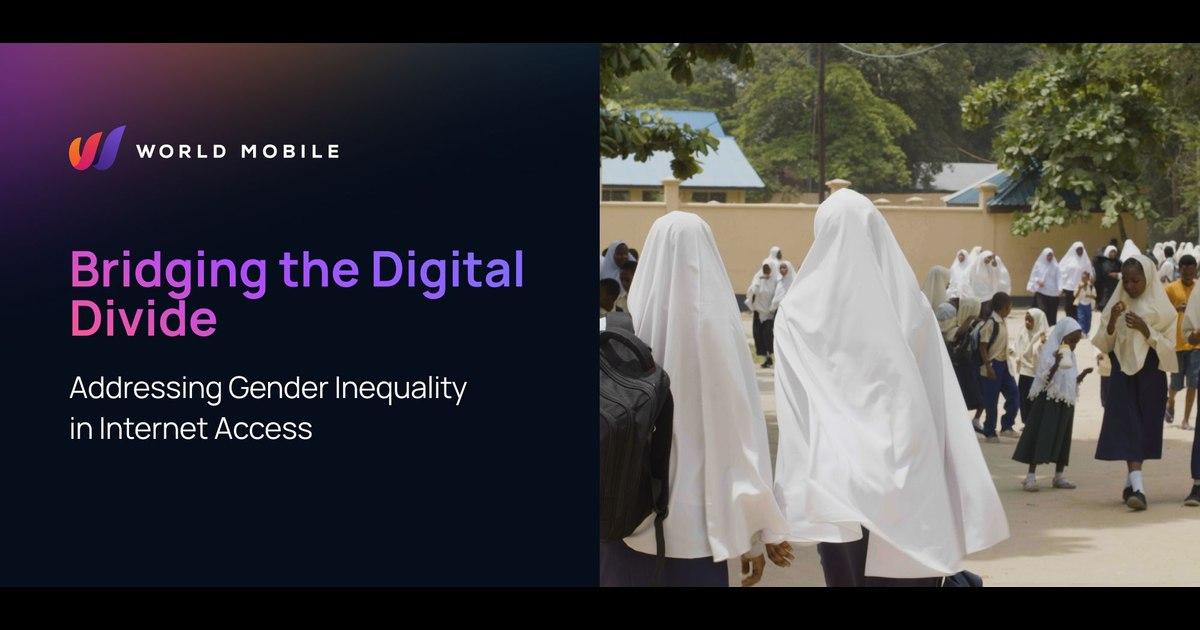
Bridging the Digital Divide: Key global Initiatives Tackling Online Inequality
In today’s hyperconnected world, access to the internet is more than a convenience—it’s a essential driver of socioeconomic progress, education, and opportunity. Yet, billions of people worldwide still live on the wrong side of the digital divide, lacking reliable internet access, adequate digital devices, or the necessary skills to thrive online. This growing digital inequality not only limits personal and professional potential but also perpetuates cycles of poverty and social exclusion. bridging the digital divide has become a global imperative, with governments, NGOs, tech companies, and community organizations launching innovative initiatives to ensure everyone can benefit from the digital revolution.
What is the Digital Divide?
The digital divide refers to the gap between individuals, households, businesses, and regions with varying levels of access to details and communication technologies (ICT). this imbalance exists both between countries—especially developed and developing nations—and within countries, frequently enough affecting rural, low-income, and marginalized communities most severely.
- Access Divide: The lack of affordable internet infrastructure and devices.
- Usage Divide: Limited digital literacy, restricting effective use of online resources.
- Quality Divide: Disparities in connection speed and reliability, reducing meaningful participation.
Bridging these divides is essential for creating a more inclusive, equitable, and prosperous future for all.
Global Initiatives Tackling Online Inequality
Around the world, major stakeholders are deploying a diverse range of digital inclusion initiatives to promote online equality. Here are some of the most influential ongoing efforts:
1. The united Nations’ broadband Commission for Enduring Development
In line with the UN’s sustainable Development Goals (SDGs), the Broadband Commission works to promote universal, affordable internet access by 2030. Its strategies focus on:
- Supporting affordable broadband infrastructure in underserved regions
- Advocating for gender and accessibility parity in digital development
- Fostering partnerships among governments, private sector, and civil society
2. Connect2Recover (International telecommunication Union)
Launched by the ITU,Connect2Recover aims to help countries rebuild and strengthen ICT infrastructure in response to the COVID-19 pandemic. Its focus areas include:
- Restoring vital broadband services in healthcare and education
- Empowering local communities with digital skills training
- encouraging investment in sustainable network expansion
3. google’s Grow with Google & Digital Skills Africa
Tech giants are playing a pivotal role. Google’s initiatives provide free digital skills training and resources to millions, notably in Africa and Asia-Pacific, where online access remains limited. Successes include:
- 10 million Africans trained in digital skills as 2017
- Localized online courses in multiple languages
- Support for entrepreneurs and small businesses
4. Microsoft Airband Initiative
The Microsoft Airband Initiative partners with telecom providers and local communities to bring broadband to rural America and beyond. Major achievements include:
- Deploying fixed wireless technologies to reach remote populations
- Collaboration with local governments to close connectivity gaps
- Providing digital transformation resources for agricultural workers and rural schools
5. One Laptop per Child
The One Laptop per Child (OLPC) initiative distributes low-cost, durable laptops to children in developing countries, opening up access to educational digital content even in areas with limited infrastructure. Highlights include:
- Designed to work in harsh, resource-limited environments
- Enabling interactive, child-centered learning
- Active projects in over 40 countries
Benefits of Bridging the Digital Divide
Online inclusion doesn’t just empower individuals—it transforms whole economies and societies. Addressing online inequality through digital equity initiatives results in:
- Improved Education: Remote learning technologies enable students in rural and underserved areas to access quality education and online resources.
- Job Opportunities: Digital literacy boosts employability for millions, connecting them to global job markets.
- Healthcare Access: Telemedicine bridges gaps for remote or marginalized populations, offering critical services and information.
- Economic Participation: Small businesses can flourish online, accessing new markets and digital tools for growth.
- Social Inclusion: Vulnerable groups—women,elderly,refugees—gain a stronger voice and support systems via the internet.
Real-World Case Studies
India: Digital India Campaign
The Digital India initiative,launched in 2015,has been a groundbreaking program aimed at expanding digital infrastructure and literacy across the country. Key successes include:
- Connecting over 250,000 gram panchayats (village-level local governments) with high-speed fiber optics
- Introducing affordable rural internet kiosks
- Launching digital literacy campaigns for women, marginalized communities, and the elderly
Kenya: M-Pesa Mobile Banking
While not a traditional digital divide solution, M-Pesa revolutionized financial inclusion by providing mobile banking services to those without access to traditional banks. Its impact:
- Empowered millions to transfer money, pay bills, and save securely via their phones
- Spurred rural entrepreneurship and microfinancing
- Inspired similar fintech solutions across the developing world
Colombia: Vive Digital Program
Vive Digital increased internet penetration in Colombia from under 3% in 2010 to over 55% in 2020, investing heavily in rural connectivity, public access points, and teacher training for ICT in schools.
Practical Tips: How Individuals and Communities can definitely help Bridge the Gap
Achieving digital equity involves everyone—not just governments or tech giants. Here’s how you can be part of the solution to bridge the digital divide in your community:
- Advocate for Digital Literacy: Volunteer to teach digital skills at local libraries, schools, or community centers.
- Support Device Recycling: Donate old devices to NGOs or refurbishing programs that serve underserved groups.
- Participate in Local Broadband Initiatives: Join or support campaigns pushing for better connectivity in rural or low-income neighborhoods.
- Promote Gender and Disability Inclusion: Encourage digital resources that are accessible and tailored to diverse audiences.
- Stay Informed: Share credible information and raise awareness about the importance of digital inclusion online and offline.
First-Hand Experience: A Story from the Ground
“Before the community center brought free Wi-Fi and digital classes, I couldn’t help my kids with their homework or look for jobs online. Now, we’re all learning together, and I’ve found better opportunities than I ever thought possible.”
— Maria Gonzalez, community resident, Bogotá, Colombia
Community-driven digital literacy initiatives often create direct, measurable impacts on families, as Maria’s story exemplifies.Online access can led to jobs, education, healthcare, and new hope.
Conclusion: Towards a More Connected and Equitable World
Bridging the digital divide requires sustained commitment, innovation, and collaboration at every level of society. by supporting global digital inclusion initiatives, advocating for local digital literacy, and ensuring everyone—nonetheless of location or background—has access to the benefits of connectivity, we can unlock vast human potential and build a more equitable, resilient, and connected world. The task is formidable, but the rewards are transformative.
Want to get involved in bridging the digital divide? Start by connecting with local organizations, sharing resources, and advocating for equitable access to technology for all.