
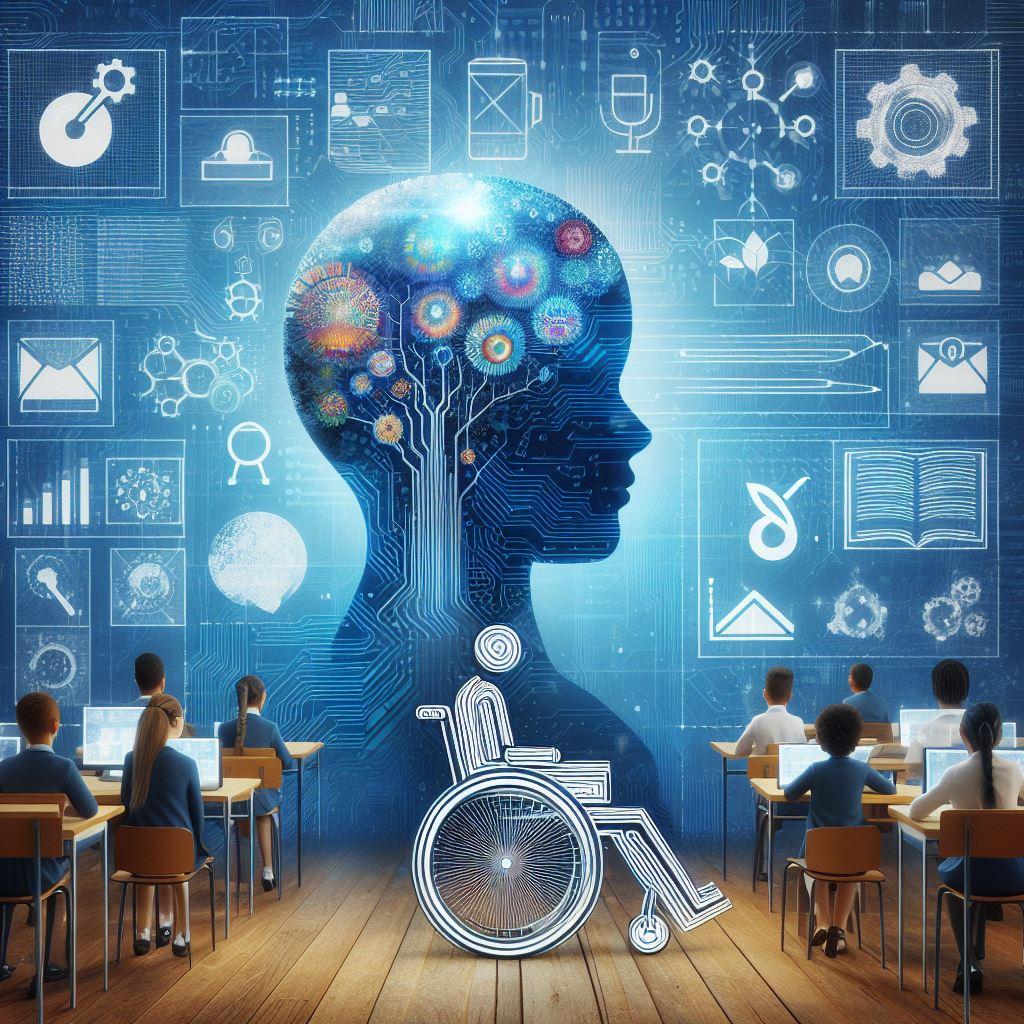
Bridging the Gap: How AI Is Transforming Special Education for Students with Special Needs
Artificial intelligence (AI) is no longer a distant concept—it’s a powerful force driving innovation across industries worldwide. Most notably, the advent of AI in education has opened new avenues for personalized and inclusive learning. For students with special needs, AI stands as a real game-changer, helping bridge gaps, remove barriers, and empower learners like never before. In this article, we explore the remarkable ways in which AI is transforming special education, from smart learning tools to real-life success stories.
Understanding the Challenges in Special Education
Special education is designed to support students with disabilities or learning differences, such as Autism Spectrum disorder, ADHD, dyslexia, visual or hearing impairments, and more. Though, traditional education systems face considerable barriers in providing personalized attention and tailored resources to each student. Some common challenges include:
- Limited Individualized Support: Managing varied learning needs with standard teaching methods can often leave gaps.
- Resource Constraints: Schools may lack sufficient special educators and adaptive materials.
- Interaction Barriers: Students with speech, language, or sensory difficulties may struggle to engage or express themselves.
- Assessment difficulties: Standardized testing doesn’t always accurately reflect the capabilities of students with special needs.
AI-driven solutions are addressing these challenges, creating more accessible and equitable educational environments.
How AI Is Revolutionizing Special Education
1. Personalized Learning Experiences
AI-powered educational platforms adapt content in real time, ensuring that learning materials suit the pace and style of each student. For students with special needs, personalized learning means:
- breaking down complex tasks into manageable segments
- Providing instant, personalized feedback
- Offering multisensory content, including interactive visuals, audio prompts, and tactile feedback for diverse learning preferences
Tools such as AI tutors or smart e-learning platforms can continuously analyze a student’s progress and adjust lessons accordingly, promoting engagement and boosting confidence.
2. Enhancing Communication with AI Assistive Technologies
For students with speech or language impairments, AI-driven assistive technologies bridge vital communication gaps. Popular AI applications include:
- Speech-to-Text & Text-to-Speech: Converts spoken language to written text,or text to audible speech,enabling better interaction with lessons and peers.
- Communication Boards: AI-powered devices interpret gestures, images, or selected phrases and articulate them verbally.
- Real-Time Translators: Break language barriers for english language learners or students using sign language.
These tools foster independence, teamwork, and enhanced participation in both academic and social activities.
3. Early Detection and Intervention
AI excels at pattern recognition, making it ideal for early identification of learning disabilities.By analyzing students’ interactions and responses, AI systems can flag potential challenges—such as dyslexia or attention difficulties—allowing educators and parents to implement timely interventions.
- Automated assessment tools track progress and indicate when a student may need help
- Personalized recommendations guide teachers in tailoring support strategies
4. Inclusive Learning Environments Through Automation
Automation powered by AI helps educators streamline administrative tasks so they can devote more time to instruction and relationship-building. Examples include:
- Automated grading and data analysis
- Scheduling adaptive learning sessions
- Resource-matching—the right assistive technology is allocated based on each student’s needs
Benefits of AI in Special Education
The benefits of utilizing AI in special education extend beyond the classroom. Here are some compelling advantages:
- Accessibility: AI offers adaptable formats, ensuring lessons are accessible to students with various impairments.
- Equity: By customizing learning, AI levels the playing field for all students, regardless of their abilities.
- Efficiency: Reducing time spent on manual tasks allows teachers to focus on meaningful interactions and instruction.
- Empowerment: Students are more engaged and self-reliant, building critical skills for future success.
Case Studies: Real Success Stories with AI in Special Education
AI-Powered Reading Apps for Dyslexia
Several schools have adopted AI-based reading apps that use machine learning algorithms to detect patterns indicative of dyslexia. These apps then recommend personalized reading exercises and track improvements. One such program led to a 20% higher reading comprehension rate among students with dyslexia in a major school district.
Robotic Companions for Autism Support
AI-driven robotic companions, such as NAO and Milo, have shown positive outcomes for students on the autism spectrum. These social robots help children practice facial recognition, emotion identification, and appropriate responses through engaging, non-judgmental interactions.Teachers reported notable gains in classroom participation and social confidence.
Voice Recognition Software for Non-Verbal Students
AI-based voice recognition software allows non-verbal students to communicate through gesture-based or eye-tracking technologies, which the AI then translates into verbal output. Schools using these systems saw marked improvements in student engagement and interaction.
Tips for Integrating AI in Special Education
- Choose the Right tools: Opt for AI software and hardware specifically designed for special education. Test for ease of use and compatibility with school systems.
- Collaborate with Stakeholders: Involve special educators, therapists, parents, and IT professionals in the selection and implementation process.
- Prioritize Training: Ensure educators receive adequate training on how to maximize the benefits of AI tools for diverse learners.
- Monitor and Evaluate: Regularly assess the effectiveness of AI interventions and adapt as needed based on student outcomes.
- Respect Privacy: Safeguard sensitive data by choosing AI platforms that adhere to strict privacy and security standards.
First-Hand Perspective: An Educator’s Experiance with AI in the Classroom
“Introducing AI-based language apps in my classroom has been transformative. Students who struggled with reading are now participating actively and expressing themselves more confidently.It’s not just about academic betterment—AI has also given my students a new sense of independence and joy in learning.”
— Sarah J., Special Education Teacher
Future prospects: The Road Ahead for AI in Special Education
The potential of AI in special education is vast. With continuous advancements in technology, we can anticipate even more intuitive and empathetic AI systems tailored to the unique needs of every learner. as schools and policymakers invest in accessible tech, the dream of fully inclusive education is closer than ever.
conclusion
AI is proving to be a catalyst in transforming special education—bridging longstanding gaps and offering students with special needs the support they deserve. from tailored learning experiences and communicative breakthroughs to practical, real-world solutions, the impact of artificial intelligence in special education is both undeniable and inspiring. By embracing these technological innovations, we can ensure that every student, regardless of ability, has the possibility to flourish.
Let’s harness the power of AI to make education truly inclusive for all!