
Business Development Manager in Learning Technologies: Roles, Skills, and Career Opportunities
With the rapid digital change of education, opportunities within education technology are expanding steadily. Universities, colleges, and schools seek skilled professionals to drive growth and integration of innovative solutions. One pivotal role in this sector is the business Development Manager in Learning technologies. Whether you’re seeking your first job in edtech or planning a career move, this article will equip you with knowledge about this dynamic role, the skills you’ll need, and the pathways available to help you succeed.
Introduction to the Business Development Manager Role in Learning Technologies
The rise of learning technologies is revolutionizing classrooms and lecture halls worldwide. Business Development Managers (BDMs) in Learning Technologies play a crucial role in bridging the gap between technology providers and educational institutions. They are responsible for driving strategic growth by forging new partnerships, securing clients, and ensuring the smooth adoption of digital solutions that enhance teaching and learning outcomes.
If you possess the right blend of business acumen and a passion for educational change, this role offers a rewarding career path with ample impact.
Key Responsibilities of a Business Development Manager in Learning Technologies
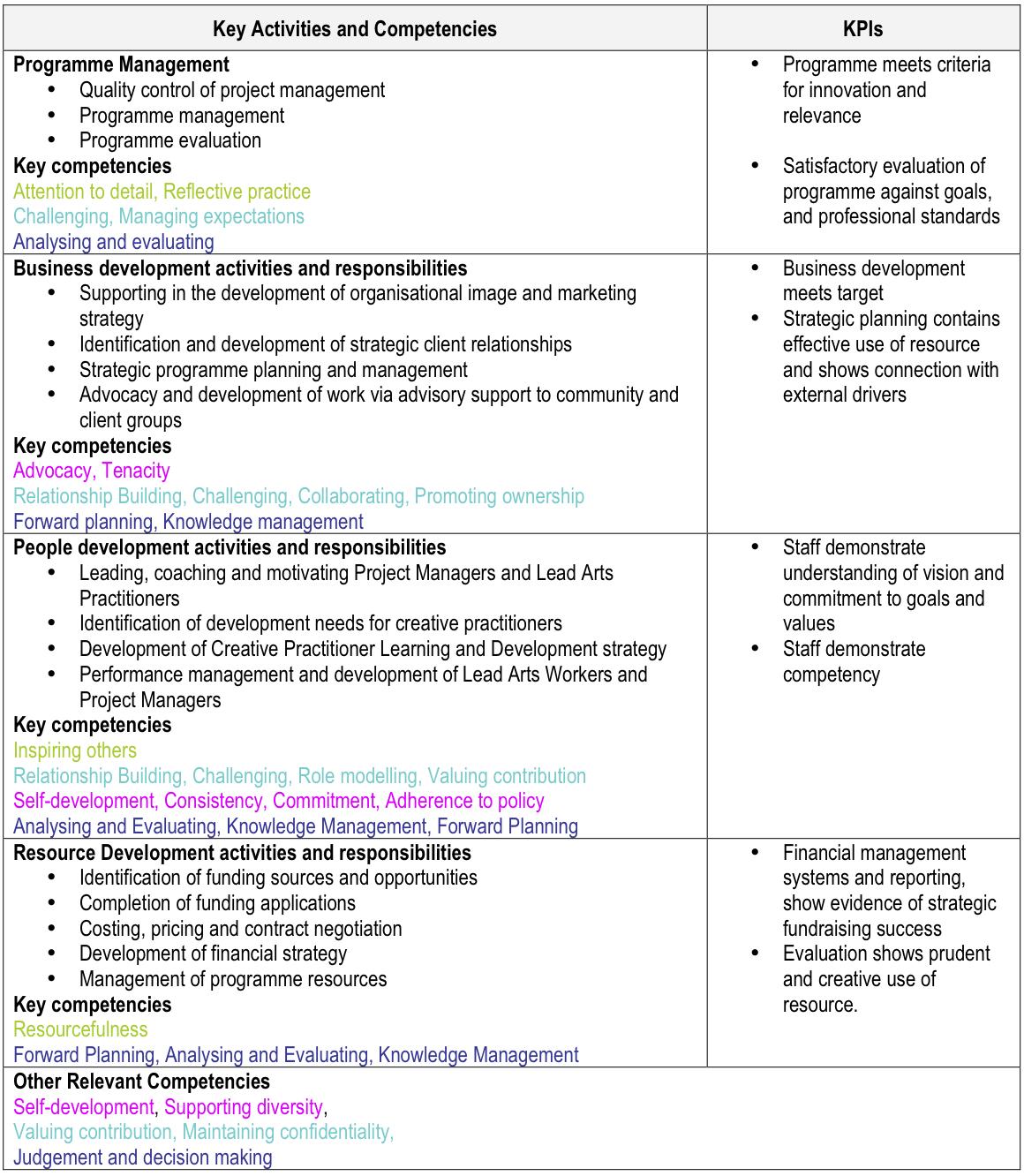
A Business Development manager in education technology wears many hats. Their responsibilities typically include:
- Market Research: Identifying trends in learning technologies and understanding the competitive landscape within higher education and K-12 institutions.
- Lead Generation: Proactively seeking and developing new business opportunities with universities, colleges, and schools.
- Strategic Partnerships: Building and nurturing relationships with stakeholders, including heads of institutions, technology vendors, and academic departments.
- Sales Strategy Development: Crafting effective sales strategies to pitch education technology products and services that meet institutional needs.
- Contract Negotiations: Managing pricing, proposals, and contract discussions with decision-makers.
- Product Knowledge: Gaining a deep understanding of learning management systems (LMS), digital assessment tools, virtual classrooms, and other edtech solutions.
- Collaboration: Working alongside product, marketing, and support teams to ensure client satisfaction and prosperous implementation.
- Reporting: Analyzing sales data, forecasting growth, and reporting on KPIs to senior leadership.
Essential Skills for Success in Learning Technologies Business Development
To excel as a Business Development Manager within education technology, certain technical and interpersonal skills are paramount:
Communication Skills
Ability to communicate technical solutions clearly to non-technical stakeholders, tailor presentations to different audiences, and inspire confidence in digital adoption.
Negotiation and Persuasion
Strong negotiation skills help in securing favorable deals and navigating complex procurement cycles in educational institutions.
analytical Thinking
critical analysis of market trends, competitor activity, and client needs aids in shaping strategic decisions and product positioning.
Sales Experience
Background in educational product sales, software solutions, or SaaS platforms in the academic sector is highly valuable.
Relationship Building
Developing long-term, trust-based partnerships with faculty, administration, and IT leaders ensures ongoing revenue and referrals.
Project Management
Coordinating sales initiatives and client onboarding processes with multiple timelines and stakeholders.
Technical Savvy
Understanding digital teaching tools, e-learning platforms, and education apps is increasingly vital.
Adaptability
Adaptability to keep pace with ever-evolving learning technologies and changing institutional needs.
Career Pathways and Opportunities
Business Development Managers in learning technologies have a range of career opportunities:
- EdTech Companies: Join trailblazing education technology firms that develop LMS software, online curriculum, or digital content.
- Higher Education Institutions: work directly within universities or colleges to support campus-wide implementation and partnership with tech providers.
- K-12 Schools: Advise school districts on the adoption of digital teaching tools and virtual classroom platforms.
- Consultancy: Offer expertise to multiple education institutions seeking digital transformation.
- Sales Leadership: Progress into senior sales roles, such as Head of Business Development, Director of Partnerships, or VP of Sales within the edtech sector.
- Product Management: transition into product-focused roles,leveraging your market insights to guide development.
Typical Employers
- Edtech startups and scale-ups
- Major educational publishing and software companies
- Universities and colleges with dedicated digital transformation teams
- K-12 school district offices
- Education-focused consultancies
Qualifications and Industry Requirements
While entry requirements vary, most employers seek candidates with:
- Bachelor’s degree, ideally in education, business, marketing, or a technology-related field
- Experience in sales, account management, or business development—especially in education or SaaS sectors
- Demonstrable understanding of learning management systems, e-learning platforms, and emerging digital education trends
- Strong commercial and presentation skills
Relevant certifications (such as in project management or digital marketing) can enhance your profile and open additional doors.
Benefits of a Learning technologies Business Development Role
- Make a Difference: Directly contribute to improving educational experiences for students and educators worldwide.
- Growth potential: Enjoy clear career progression as digital education demand surges.
- Diverse Work Habitat: Collaborate with educators, tech teams, and executive leaders daily.
- continuous Learning: Stay engaged with the latest teaching innovations and education technology trends.
- Competitive Compensation: Business development roles in education technology often provide attractive rewards packages.
Practical Tips for Landing a Business Development Job in Learning Technologies
Ready to embark on your journey? Here are actionable strategies to stand out in job applications:
- Build a Network: Connect with edtech communities on social media and at education technology conferences.
- Upskill Yourself: take online courses related to digital education tools, sales strategies, and project management.
- Tailor Your Resume: Highlight achievements related to sales, partnership management, and edtech familiarity.
- Showcase Tech Know-How: Provide evidence of working with learning management systems or digital classroom solutions.
- Learn the Language: Familiarize yourself with key terms and industry trends in education technology to speak confidently with potential employers.
- Practice storytelling: Develop compelling narratives around successful partnerships and digital transformations you’ve helped facilitate.
- Keep Learning: Stay informed via education technology blogs, webinars, and publications for ongoing professional growth.
Challenges and How to Overcome Them
Business development in learning technologies isn’t without its hurdles. Resistance to change among educators,long procurement processes,and budget restrictions are common. To overcome these:
- Emphasize real-life case studies demonstrating successful edtech adoption.
- Develop trust by understanding institutional pain points and offering tailored solutions.
- Stay patient but persistent—educational sales cycles tend to be longer, but the rewards are significant.
- Offer continuous support and training to ensure your technology solutions are adopted and sustained.
Conclusion: Your Pathway to Impact and Success in Education Technology
The role of the Business Development Manager in Learning Technologies is a gateway to building a lasting impact on the future of education. By connecting innovative edtech solutions with universities, colleges, and schools, you become a key change agent in empowering educators and learners. Armed with the right skills, a proactive mindset, and a commitment to learning, you can unlock a dynamic and rewarding career in this fast-growing industry.
If you’re passionate about technology and education, start preparing today—your next career move could place you at the heart of modern learning transformation.