
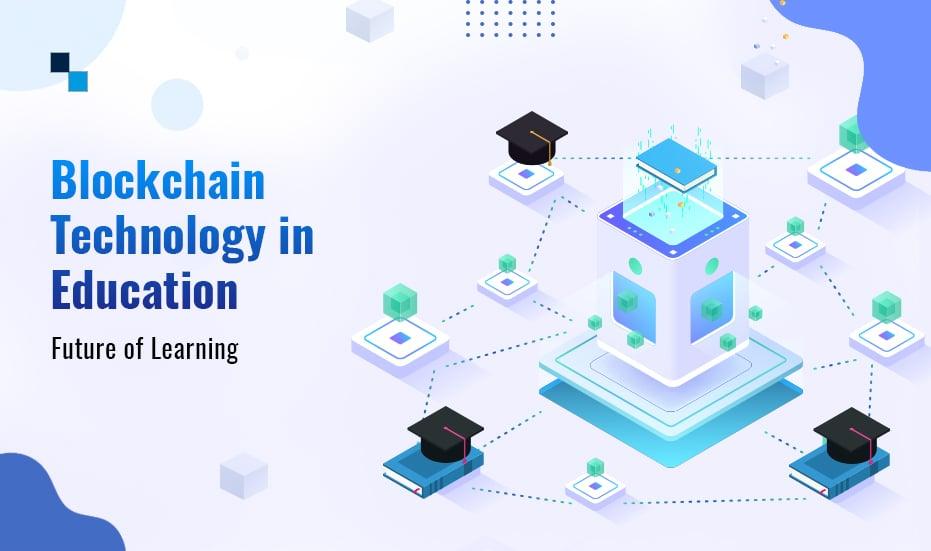
Case Studies Showcasing Blockchain Innovation in Higher Education
Blockchain technology is rapidly emerging as a game-changer across multiple industries, and higher education is no exception. Institutions worldwide are leveraging blockchain for secure credentialing,obvious student records,and streamlined administrative processes. In this extensive guide,we’ll dive deep into real-world case studies showcasing blockchain innovation in higher education,explore the benefits,and offer practical insights for educators and administrators.
Understanding Blockchain in Higher Education
At its core,blockchain is a decentralized,immutable,and transparent digital ledger.This technology provides unique solutions to some of higher education’s longstanding challenges, from credential verification to data privacy and academic integrity. Integrating blockchain in higher education institutions enables enhanced security, better student experience, and improved public trust.
Main Applications of Blockchain in Higher Education
- Secure Digital Credentialing
- Streamlined Transcript Management
- Automated Payments and Fund Transfers
- Decentralized Learning Platforms
- Fraud Prevention
Why Blockchain Matters: Top Benefits for Higher Education
- Trust and Openness: Blockchain creates a tamper-proof system for student records and credentials,fostering trust among employers and institutions.
- Efficiency: Automated verification and data sharing save time and reduce administrative burdens.
- Security: Sensitive student data is encrypted and stored securely, reducing the risk of breaches.
- Cost Reduction: Streamlined processes mean institutions can cut down on paperwork and manual checks, saving resources.
- Global Access: Students and employers can access and verify credentials worldwide,supporting mobility and collaboration.
Case Studies of Blockchain Innovation in Higher Education
To demonstrate blockchain’s potential, let’s take a closer look at how leading organizations are implementing blockchain in higher education and the tangible results they are achieving.
MIT’s digital Diplomas
The Massachusetts Institute of Technology (MIT) launched its Blockcerts initiative in 2017, issuing blockchain-based digital diplomas to graduates. These diplomas are cryptographically signed and stored on the blockchain, allowing graduates to securely share their credentials with employers, nonetheless of location.
- Results: Reduced diploma fraud and eliminated delays in credential verification.
- student Experience: Graduates can instantly access and share digital credentials using a secure mobile wallet.
- Industry Impact: Set the standard for digital credentialing in global higher education.
University of Nicosia: Pioneering Blockchain Degrees
The University of Nicosia in Cyprus became the first university to accept bitcoin for tuition and offer a Master’s degree in Blockchain and Digital Currency. they’ve implemented a blockchain system for certificates, ensuring that all awarded degrees are easily verifiable and tamper-proof.
- Results: Streamlined admissions and verification, attracting international students.
- Practical Application: Blockchain’s use in scholarships and payments has improved transparency.
Sony Global Education & IBM Blockchain
Sony Global Education partnered with IBM Blockchain to develop a platform that keeps records of student achievement data from multiple schools. The blockchain securely manages educational data, allowing for cross-institutional verification when students transfer or apply for jobs.
- Results: Easier credit transfer and global recognition of achievements.
- Shorter Admission Times: Expedited processes for international applications.
Open University UK: Decentralized Learning Records
the Open University in the UK launched the Open Blockchain Initiative to allow students to own and manage their lifelong learning records. This decentralized approach enables individuals to compile their transcripts,certifications,and achievements throughout their careers sans reliance on conventional record-keeping.
- empowerment: Students have full control and visibility of their academic history.
- Long-Term Value: Enables lifelong learning with verifiable records across institutions and employers.
Malta’s National Blockchain Strategy
Malta,renowned as ‘Blockchain Island,’ has implemented a nationwide blockchain strategy for education. Degrees and certificates from Maltese institutions are registered and validated using blockchain, drastically minimizing fraudulent claims and boosting international student trust.
- Country-Wide Impact: Seamless, trusted digital credential management system.
- Positive Reputation: Malta has attracted investments and partnerships in educational technology.
first-Hand Experiences: Voices from the Field
Stakeholders in higher education have been vocal about the transformative impact of blockchain.From university leaders to students, the consensus is clear— blockchain brings real value.
“Before blockchain, verifying marks and credentials for our international students would take weeks. Now, it’s instantaneous, and we’ve reduced paperwork dramatically.”
— Administrative officer, Leading US University
“Being able to own my diploma digitally is empowering. I can easily share it with employers anywhere, anytime, and they trust its authenticity.”
— Graduate,MIT
Practical Tips for Institutions considering Blockchain
- start Small: Pilot with digital diplomas or transcript verification before full-scale adoption.
- Involve Stakeholders: Engage IT, faculty, administrators, and students early for feedback and buy-in.
- Choose the Right Platform: Compare blockchain solutions for scalability, security, and ease of integration (e.g., ethereum, Hyperledger, custom platforms).
- Stay Compliant: Ensure that blockchain solutions meet education data privacy regulations such as FERPA or GDPR.
- Focus on Usability: Provide intuitive interfaces for students and employers to access and verify records.
Challenges to Prepare For
- Regulatory Compliance: Navigating legal requirements around data storage.
- Interoperability: Ensuring systems can communicate across different institutions and platforms.
- Change Management: Training staff and students for new processes.
Future Trends: What’s Next for blockchain in higher Education?
- Decentralized Autonomous Universities: governance, enrollment, and curriculum management driven by blockchain smart contracts.
- Interconnected Learning Ecosystems: Students can carry learning records seamlessly between MOOC platforms, colleges, and employers.
- Micro-Credentials & Digital Badges: Recognition of informal learning and professional progress using verifiable blockchain badges.
Conclusion
Blockchain innovation in higher education is no fleeting trend—it’s a revolution in academic integrity, student empowerment, and administrative efficiency. From MIT’s digital diplomas to Malta’s nationwide strategy, institutions are proving that blockchain can deliver secure, reliable, and transparent solutions to age-old problems. As the technology matures,universities and colleges stand to benefit enormously from adopting blockchain-driven solutions for credentialing,records management,and much more.
Curious about integrating blockchain into your institution? Start with tangible pilot projects, engage key stakeholders, and stay informed on evolving best practices. The future of higher education is digital, secure, and decentralized—blockchain is leading the way.