
Chief Academic Officer in EdTech: Key Responsibilities, Skills, and Career Path Insights
If you are passionate about transforming learning through technology and aspire to become a strategic leader in education, a role as Chief Academic Officer (CAO) in EdTech may be the perfect career move. In today’s rapidly evolving educational landscape, universities, colleges, and schools are seeking dynamic CAOs who understand educational technology and can drive digital change. This extensive guide explores the core responsibilities, must-have skills, career pathways, benefits, and practical tips for landing this influential position.
What is a Chief Academic Officer in EdTech?
A Chief Academic Officer in EdTech is an executive-level leader responsible for overseeing academic strategy, curriculum development, and instructional innovation powered by technology. This role is pivotal in ensuring that educational institutions leverage cutting-edge EdTech tools and methodologies to enhance student learning and outcomes. Whether in a university,college,or K-12 school setting,the CAO collaborates with educators,technologists,and administrators to shape the institution’s academic vision.
Key Responsibilities of a Chief Academic Officer in EdTech
The role of a Chief Academic Officer in edtech is multifaceted and involves a broad range of strategic and operational duties, including:
- Academic Leadership: Providing visionary leadership in developing and executing the institution’s academic goals, especially focusing on integrating technology to improve teaching and learning experiences.
- Curriculum Development: Overseeing the creation, assessment, and improvement of tech-enabled curricula to align with both educational standards and emerging digital trends.
- Instructional Innovation: leading initiatives to incorporate digital platforms, blended learning, adaptive learning technologies, and online education tools that enhance student engagement and performance.
- Faculty Support and Development: Designing and implementing professional development programs to upskill faculty in the latest EdTech tools and pedagogical strategies.
- Data-Driven Decision Making: Leveraging analytics and educational data to inform curriculum improvements,personalize learning,and track student outcomes.
- Accreditation and Compliance: Ensuring that all tech-integrated academic programs meet state, federal, and accreditation standards.
- Collaboration and Partnerships: Building partnerships with EdTech vendors, other academic institutions, and industry stakeholders to enhance learning opportunities and access to resources.
- Budgeting and Resource Allocation: Managing budgets for instructional technology,academic resources,and digital initiatives.
- Equity and Accessibility: Ensuring that digital learning environments are inclusive, accessible, and foster equitable opportunities for all learners.
- policy Development: Creating and enforcing policies regarding technology use, digital safety, and academic standards in the institution.
Essential Skills and Qualifications for Chief Academic Officers in EdTech
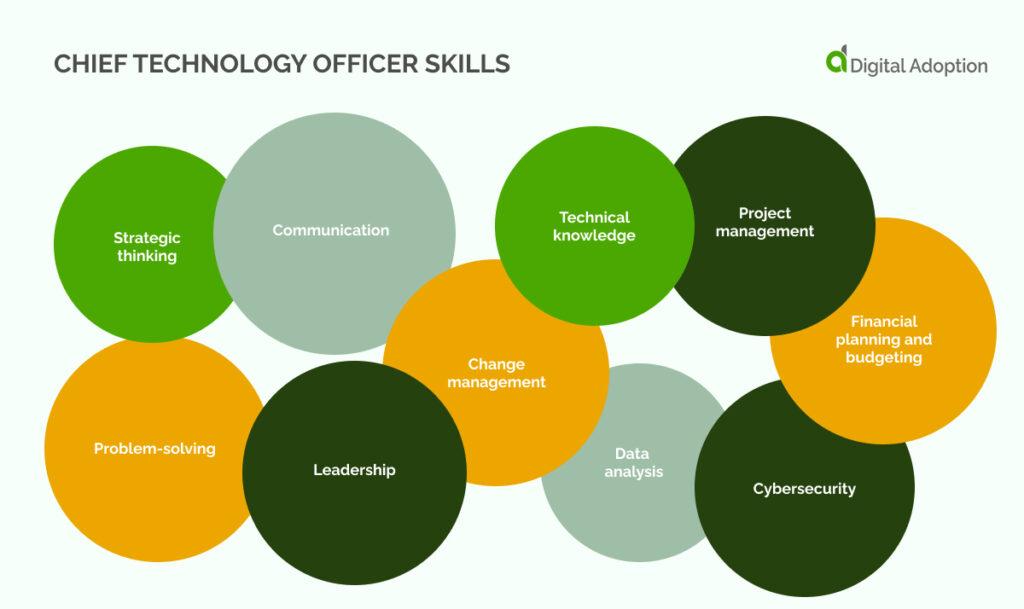
To thrive as a Chief Academic Officer in EdTech,candidates should cultivate a unique blend of educational leadership,technical proficiency,and interpersonal skills.Key qualifications and competencies include:
- Educational Background: Typically, a doctoral or master’s degree in education, instructional technology, educational leadership, or a related field is required.
- EdTech Expertise: Profound understanding of learning management systems (LMS), digital curriculum design, e-learning platforms, and emerging technologies such as AI in education, virtual/augmented reality, and adaptive learning tools.
- Leadership and Management: Proven track record in managing academic teams, projects, and institutional change related to digital transformation.
- Strategic Thinking: Ability to develop long-term academic strategies aligned with institutional vision and edtech advancements.
- data Literacy: Proficiency in collecting,analyzing,and interpreting educational data to guide instructional and organizational decisions.
- Communication: Excellent oral and written communication skills to engage diverse stakeholders,including faculty,students,parents,and technology partners.
- Change Management: Skills in leading change and fostering an innovation-driven culture within academic environments.
- Problem-Solving: Analytical and creative problem-solving abilities to address challenges in technology implementation, pedagogy, budgeting, and compliance.
- Ethical Leadership: Commitment to privacy,student data protection,and ethical use of technology in education.
Certifications That Enhance Yoru Profile
- Certified Education Technology Leader (CETL)
- Google for Education Certifications
- Microsoft Certified Educator
- ISTE Certification for Educators
Career Path: How to Become a Chief Academic Officer in edtech
securing a role as a Chief Academic Officer in EdTech is a journey that combines academic experience, leadership expertise, and technology fluency. Here’s how to build a strong pathway toward this rewarding leadership role:
- Gain Teaching Experience: Start as an educator or instructional designer to develop an in-depth understanding of classroom needs and learning processes.
- Pursue Advanced Education: Obtain a master’s or doctoral degree in educational technology, instructional design, or educational leadership to deepen your expertise.
- Move into Leadership Roles: Transition to roles such as academic dean, department chair, director of curriculum and instruction, or director of educational technology.
- Enhance EdTech Knowledge: Stay updated on the latest technology trends, attend relevant workshops, join professional associations, and earn pertinent certifications.
- Develop Management Skills: Seek experiences managing teams, projects, and budgets, with particular focus on technology implementation in educational settings.
- Build a Professional Network: Engage with other education leaders,edtech professionals,and industry conferences to maximize career growth opportunities.
Benefits of Becoming a Chief Academic Officer in EdTech
Choosing a career as a Chief Academic Officer in EdTech offers numerous professional and personal advantages:
- Influential Leadership: Shape the future of education by bringing transformative technology-driven initiatives to life.
- competitive Compensation: CAOs in EdTech enjoy attractive salary packages, comprehensive benefits, and added incentives for pioneering innovation.
- Diverse Career Opportunities: Opportunities to work in higher education, K-12 schools, private institutions, and corporate training environments.
- continual Learning: Stay at the forefront of educational innovation, continuously learning about groundbreaking tools, pedagogies, and methodologies.
- Personal Fulfillment: make a tangible impact on teaching effectiveness,student achievement,and overall institutional success.
Practical Tips for Job Seekers targeting CAO EdTech Roles
Landing an executive position as a Chief Academic Officer in EdTech requires strategic planning and persistence. here are practical tips to help you stand out:
- Develop a Strong Digital Portfolio: Demonstrate your success stories in leading tech-driven academic initiatives, curriculum redesigns, or faculty training programs.
- Showcase Quantifiable Results: Use metrics and case studies to highlight your impact (e.g., student performance improvements, successful LMS rollouts).
- Customize Your Resume and Cover Letter: Use relevant keywords such as “EdTech leadership,” “curriculum innovation,” “digital transformation,” and “academic strategy.”
- Pursue ongoing Professional Development: Attend EdTech conferences, enroll in MOOCs, or participate in emerging technology workshops to stay current.
- Seek Mentorship: Connect with existing CAOs or EdTech executives for insights into their journey and guidance on skill-building.
- polish Executive Presence: Practice confident communication and decision-making in interviews, presentations, and networking events.
- Follow Industry Trends: Stay informed about regulatory changes, technology advancements, and pedagogical shifts in the education sector.
Conclusion
The role of Chief Academic Officer in EdTech is both demanding and highly rewarding, making a profound impact on how institutions deliver education in the digital era. By understanding the key responsibilities, required skills, and potential career paths, you can chart a successful journey toward this executive position. Whether you are a seasoned educator,an EdTech enthusiast,or a strategic leader,your expertise can help shape the future of education. Begin your path towards becoming a Chief Academic Officer in EdTech by embracing continuous learning, building a focused skill set, and showcasing your leadership in educational technology.