
Chief Learning Officer (CLO): Essential Roles, Skills, and impact on Organizational Success
The rapidly evolving landscape of education technology at universities, colleges, and schools has created a significant demand for visionary leaders who can fuse strategy, innovation, and learning. The Chief Learning Officer (CLO) plays a pivotal role in shaping organizational learning cultures, driving digital change, and ensuring students and staff are equipped for success. If you’re seeking a job in EdTech and aiming for a key leadership position, understanding the ins and outs of the CLO role can put you on the path toward making a tangible impact in the world of education.
What is a chief Learning officer (CLO)?
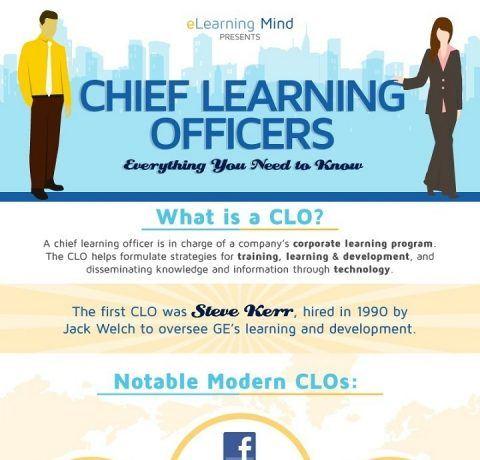
A Chief Learning Officer (CLO) is a C-suite executive responsible for aligning an institution’s learning and growth initiatives with its strategic goals. In the context of education technology at universities, colleges, or schools, the CLO’s focus is on leveraging technology, innovative teaching techniques, and data-driven strategies to enhance educational outcomes for students, faculty, and staff alike.
- Strategic Leadership: A CLO provides long-term vision and direction for learning initiatives, ensuring they support the institution’s mission and goals.
- Innovation Advocate: The role is central in adopting and integrating the latest educational technologies and learning methodologies.
- Organizational change Agent: CLOs help to drive digital transformation, shaping an adaptable, future-ready learning culture.
Essential roles and Responsibilities of a CLO in Education Technology
The scope of a Chief learning Officer in the EdTech sector is broad and dynamic.Here are the core responsibilities every aspiring CLO should know:
1. Developing Learning Strategies
- Crafting and implementing strategies that leverage technology to improve teaching, learning, and governance.
- Aligning institutional learning goals with the latest digital innovations and pedagogical models, such as blended learning and adaptive learning platforms.
2.Driving Digital Transformation
- Assessing current educational technologies and identifying opportunities for integration or enhancement.
- championing the adoption of virtual learning environments, learning management systems (LMS), and interactive multimedia tools.
3. Promoting Continuous Professional Development
- Designing ongoing development programs for faculty and staff to enhance digital literacy and teaching excellence.
- Facilitating workshops, e-learning modules, and micro-credentialing opportunities to keep educators up-to-date with new trends.
4. utilizing Data and Learning Analytics
- Establishing systems for data collection and analysis to inform decision-making and personalize student learning experiences.
- Leveraging analytics to measure the effectiveness of digital learning initiatives and report outcomes to stakeholders.
5. Fostering a Culture of Collaboration and Inclusion
- encouraging cross-departmental collaboration to ensure cohesive and inclusive learning experiences.
- Implementing diversity, equity, and inclusion best practices in all learning and development programs.
Key Skills and Qualifications for a Successful CLO Career
becoming an effective chief Learning Officer in education technology requires a blend of industry expertise, leadership acumen, and strategic thinking. Below are the essential skills and qualifications for aspiring CLOs:
- Educational Background: Advanced degree in education, instructional technology, organizational development, or related fields.
- Leadership and Vision: proven ability to lead teams,drive change,and communicate a compelling vision for digital learning.
- Technological Savvy: Deep understanding of EdTech platforms, tools, and emerging technologies such as artificial intelligence and virtual reality in education.
- Analytical Skills: Experience with learning analytics, data-driven decision making, and performance measurement.
- Project Management: Ability to oversee complex, institution-wide initiatives, with strong organizational and budgeting skills.
- Stakeholder Engagement: Excellent communication and relationship-building skills with faculty, staff, students, and external partners.
The Impact of a Chief Learning Officer on Organizational Success
The presence of a skilled CLO can dramatically enhance the organizational success of universities,colleges,and schools. Here’s how:
- Elevated Learning Outcomes: innovative leadership leads to higher student engagement, satisfaction, and achievement through effective EdTech integration.
- Enhanced Staff Development: Ongoing training ensures faculty and staff are empowered to utilize new technologies confidently and creatively.
- Increased Institutional Agility: clos help educational institutions adapt swiftly to technology shifts and evolving educational standards.
- Data-Informed Improvement: Regular evaluation and adjustment lead to continuous improvement in programs and processes, optimizing results for all stakeholders.
- Reputation and Competitive Advantage: Institutions with strong learning ecosystems attract top talent and students, maintaining a leadership position in the education sector.
Benefits of Pursuing a CLO Role in Education Technology
Considering a career as a Chief Learning Officer in education technology offers myriad professional and personal benefits:
- Strategic Influence: Play a central role in shaping future learning environments at reputable institutions.
- Continuous Learning: Remain on the cutting-edge of both technological and pedagogical advancements.
- Diverse Opportunities: Bring positive change across public schools, private colleges, and large state universities.
- Rewarding Impact: Make a real difference in how students learn and how educators teach, leading to lasting societal contributions.
- Career Growth and Recognition: enjoy competitive compensation, career advancement opportunities, and recognition as a thought leader in education and technology.
Practical tips for Aspiring CLOs in edtech
If you aim to become a Chief Learning Officer at a university, college, or school, consider these practical steps to strengthen your candidacy:
- Stay Updated: Regularly engage with EdTech journals, conferences, and professional networks to remain informed about the latest trends and tools.
- Build a diverse Skill Set: Gain experience in both educational leadership and technology integration, either through direct roles or through professional development courses.
- Demonstrate Impact: Document success stories from past initiatives, highlighting your ability to achieve measurable results through innovative learning solutions.
- Network Actively: Connect with current CLOs, attend EdTech events, and participate in online communities to broaden your understanding and connections.
- Develop Strong Communication Skills: Practice translating complex technical concepts into actionable learning strategies for diverse audiences.
- Pursue Certifications: Consider industry-recognized certifications in instructional design, project management, or learning technologies to strengthen your credentials.
Conclusion
The role of Chief Learning Officer in education technology is at the forefront of transformative change within universities, colleges, and schools. As a CLO, your ability to blend leadership, technology, and a commitment to student and staff development will shape the future of learning. For ambitious job seekers in EdTech, investing in the essential skills, staying abreast of technological advancements, and cultivating strategic vision can pave the way to a highly rewarding and impactful career. Start building your expertise and professional network today—your journey as an influential EdTech leader begins now.