
Chief Learning Officer (CLO): Key Role, Responsibilities, and Career path Explained
In the rapidly evolving world of education technology, the role of the Chief Learning Officer (CLO) has emerged as a pivotal leadership position in universities, colleges, and schools. With digital conversion reshaping learning environments, the CLO is essential for guiding institutions through innovative practices, optimizing instructional technologies, and ensuring academic excellence. If you’re a job seeker interested in becoming a CLO, understanding the responsibilities, qualifications, and career trajectory associated with this role is your first step toward a rewarding future in EdTech.
What Is a Chief Learning Officer (CLO)?
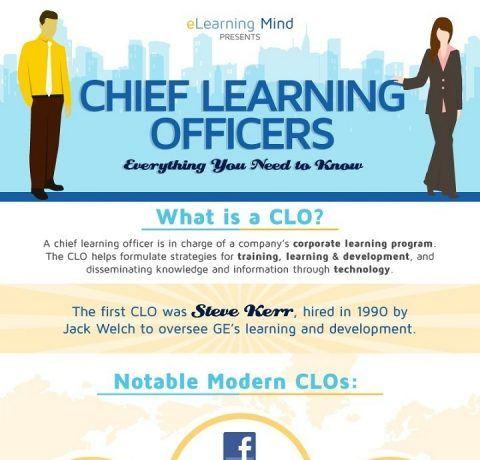
The Chief Learning officer (CLO) serves as the senior executive responsible for the learning and development strategy within an educational institution. Traditionally more common in the corporate world, the CLO role has transitioned into higher education and K-12 settings as technology and pedagogy increasingly intersect. This leader is at the forefront of implementing digital solutions, fostering a culture of continuous learning, and aligning instructional strategies with institutional goals.
Key Responsibilities of a Chief Learning Officer
the CLO plays a multifaceted role that bridges educational leadership, technology integration, and organizational development. Below are the core duties that define the position in university, college, or school settings:
- Strategic Leadership: Craft and communicate a long-term vision for instructional excellence and innovative learning experiences.
- Curriculum Development: Oversee the creation,review,and enhancement of digital and blended curricula to meet learner needs.
- Technology Integration: Evaluate, select, and implement educational technologies (LMS, AI tools, analytics, etc.) to enhance teaching and learning.
- Faculty and Staff Development: Design and deliver professional development programs to ensure educators are equipped to utilize EdTech effectively.
- Learning Analytics: Leverage data to assess learning outcomes, personalize instruction, and drive continuous improvement.
- Student Experience: Advocate for learner-centric approaches and equitable access to technological resources.
- Stakeholder Collaboration: Work with academic leaders, IT, administration, and external partners to align learning objectives with institutional priorities.
- Change Management: Lead cultural and operational change towards embracing innovative learning methodologies and technology adoption.
Essential Skills and Qualifications for a CLO in Education Technology
To excel as a Chief Learning Officer in the education sector, you’ll need a blend of leadership ability, instructional know-how, and technological acumen. Here are the key skills and qualifications sought after by universities, colleges, and schools:
- Educational Background: Advanced degree—such as a Master’s or Doctorate—in Education, Instructional Technology, curriculum Development, or a related field.
- Instructional Design: Deep understanding of pedagogical theories, learning science, and evidence-based instructional strategies.
- Technological Literacy: Proficiency with learning management systems,digital content creation tools,data analytics platforms,and emerging EdTech trends.
- Strategic Thinking: Ability to align learning initiatives with institutional mission and changing educational landscapes.
- People Management: Demonstrated experience leading diverse teams and facilitating professional growth among educators and staff.
- Change Leadership: Proven capability in managing complex organizational transformations and driving adoption of new technologies.
- Interaction: excellent skills in presenting, influencing, and negotiating with a broad range of stakeholders.
Why Universities, Colleges & Schools Need a Chief Learning Officer
Education technology is revolutionizing how students learn and educators teach. The CLO’s presence ensures that:
- Learning strategies are innovative yet evidence-based.
- faculty are continuously supported and upskilled to utilize modern digital tools.
- Institutions stay competitive and attractive to future students through advanced learning experiences.
- Student outcomes and engagement are enhanced via personalized, technology-driven instruction.
- EdTech investments yield measurable impacts on teaching, learning, and overall institutional effectiveness.
Career Path to Becoming a Chief Learning Officer
The journey to a CLO role in education technology is typically marked by progressive experience in academic leadership, instructional design, or learning technology positions. Here’s a sample career trajectory:
- Entry-Level: Start as a teacher, instructional designer, or educational technologist, gaining practical classroom and technology experience.
- Mid-Level: Advance to positions such as Director of eLearning, Curriculum Coordinator, or Educational Technology Manager.
- Senior-Level: move into broader responsibilities as a dean of Instruction, Associate Provost, or Head of Digital Learning Initiatives.
- Executive-Level (CLO): Attain the Chief learning officer role,leading institution-wide learning and technology strategy.
Professional Certifications to Boost Your CLO Career
- Certified Professional in Learning and Performance (CPLP)
- Association for Talent Development (ATD) certifications
- Online Learning Consortium (OLC) certifications
- Relevant project management or leadership certificates
Benefits of Becoming a Chief Learning Officer in Education Technology
Pursuing a career as a CLO at a university,college,or school offers professionals numerous rewards:
- Influential Leadership: Shape institutional policy and set the direction for academic innovation.
- High Earning Potential: Executive compensation packages, frequently enough with additional perks and benefits.
- Job Security: As education technology becomes essential, the demand for CLOs is projected to grow.
- Collaborative Impact: Partner with educators, technologists, administrators, and community stakeholders.
- Personal Fulfillment: Empower learners and educators to achieve their full potential through cutting-edge learning strategies.
Tips for Aspiring CLOs in Higher Education and Schools
If you’re aiming to become a Chief Learning Officer in education technology, consider these practical steps to accelerate your career:
- Build a Technology Portfolio: Stay updated with EdTech trends and assemble a portfolio showcasing successful technology integration or instructional design projects.
- Network strategically: Join education technology communities, attend conferences, and engage with thought leaders in the EdTech sector.
- Pursue Advanced Credentials: Continue your education with relevant degrees or certifications in leadership, instructional design, or learning technologies.
- Develop Leadership Skills: Seek mentorship, pursue leadership roles, and participate in cross-functional projects to sharpen your management skills.
- Demonstrate results: Collect data and success stories from projects where your contributions improved learning outcomes or faculty engagement.
Emerging Trends impacting the CLO Role
The landscape for CLOs in education is changing rapidly with new trends:
- Artificial Intelligence & Analytics: CLOs leverage data-driven insights and AI tools to personalize instruction and boost student success.
- Hybrid & Remote Learning: Designing flexible models that blend digital and in-person experiences.
- Micro-credentials & Lifelong Learning: enabling ongoing professional development and competency-based education pathways.
- Equity & Inclusion: Championing digital equity and global access to technology-powered learning.
Conclusion
The Chief Learning Officer plays a mission-critical role at the intersection of educational leadership and technology adoption in universities, colleges, and schools. With a unique mix of vision, strategy, and technological prowess, the CLO is instrumental in shaping the future of learning. If you are passionate about driving transformation in education and equipping learners for success in a digital world,the CLO’s path is both rewarding and impactful. Begin developing your expertise and leadership skills today to advance toward this exciting and influential executive career in education technology.