
Chief Learning Officer (CLO): Key Roles, Responsibilities, and Impact on Organizational Success
Are you passionate about shaping the future of education through innovative technology? Landing a role as a chief Learning Officer (CLO) at a university, college, or school could be your pathway to a deeply rewarding and impactful career. The demand for experienced leaders in educational technology—especially those who understand the vital role of learning and growth—is on the rise. In this complete guide, we’ll walk you through everything you need to know about the Chief learning Officer role, including key responsibilities, skills required, benefits, and actionable tips for aspiring CLOs.
What is a Chief Learning Officer (CLO)?
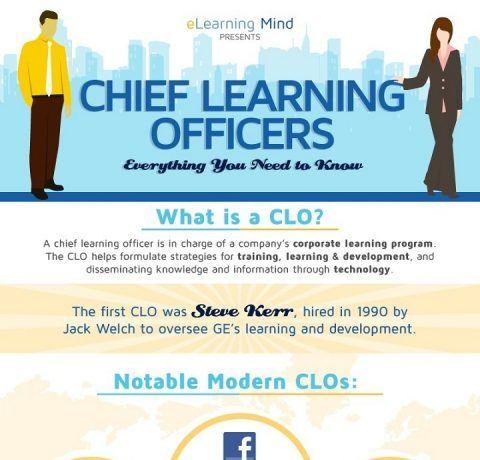
A Chief Learning Officer (CLO) is a high-level executive responsible for driving the learning agenda, designing effective strategies for learning and development, and integrating educational technology to enhance both teaching and learning outcomes. At universities, colleges, and schools, the CLO plays a pivotal role in aligning learning initiatives with organizational objectives—ensuring institutions remain competitive, agile, and future-ready.
Key Roles and Responsibilities of a Chief Learning Officer
The responsibilities of a Chief Learning Officer are diverse and significant, especially as institutions embrace digital change and innovation in education. Some of the core duties include:
- Developing Learning Strategies: Creating and executing a vision for effective learning, aligned with institutional goals and the latest education technology trends.
- Integrating EdTech solutions: Identifying, evaluating, and implementing advanced educational technologies that enrich the learning experience for students and enhance faculty development.
- Promoting a Culture of Continuous Learning: Inspiring both students and staff to pursue lifelong learning and ongoing professional development.
- Data-Driven Decision Making: Utilizing data analytics to assess the effectiveness of learning initiatives, optimize educational outcomes, and drive continual advancement.
- Driving Change Management: Leading organizational transformation efforts, especially when adopting new technologies or pedagogical approaches.
- Fostering Collaboration: Partnering with academic departments, details technology teams, and external stakeholders to deliver cohesive, institution-wide learning solutions.
- Compliance and Accreditation: ensuring all learning programs and technology solutions meet accreditation requirements and institutional policies.
- Budgeting and Resource Allocation: Managing budgets, allocating resources efficiently, and securing funding for learning initiatives.
Essential Skills for a Prosperous CLO in Higher Education
To thrive as a Chief Learning Officer in a university, college, or school setting, you need a unique blend of skills, experience, and knowledge, including:
- leadership: Ability to inspire, guide, and cultivate high-performing teams dedicated to learning and development.
- Strategic Vision: Foresight to anticipate future learning needs, identify emerging education technology trends, and position the organization for long-term success.
- Technological Competence: Deep understanding of current and emerging education technology platforms, digital learning environments, and instructional design principles.
- Change Management: Expertise in guiding institutions through complex organizational change, especially in digital learning adoption.
- Communication: Ability to clearly articulate learning strategies, influence stakeholders, and foster a culture of open dialog across all levels of the organization.
- Analytical Skills: Proficiency in using data and metrics to evaluate program effectiveness and drive continuous improvement.
Impact of a Chief Learning Officer on Organizational Success
The influence of a CLO on the educational landscape cannot be overstated. When universities, colleges, and schools invest in strong learning leadership, they benefit from:
- enhanced Student Outcomes: maximizing student engagement, retention, and achievement through cutting-edge EdTech and evidence-based learning programs.
- Faculty Development: Supporting ongoing teacher development through workshops,coaching,and technology training—resulting in a more skilled and adaptable faculty.
- Operational Efficiency: Streamlining learning processes, improving access to resources, and reducing organizational silos.
- Competitive Advantage: Attracting top talent and students by positioning the institution as a forward-thinking leader in digital education.
- Adaptability: Equipping the institution to respond quickly to changes in the educational landscape, such as the shift to online and hybrid learning models.
Benefits of Becoming a Chief Learning Officer in EdTech
If your considering a career as a CLO in education technology, here are some benefits you can expect:
- High Impact: Directly shaping the organization’s strategy and influencing the learning journeys of hundreds or thousands of students and staff.
- Leadership Opportunities: serving as a strategic partner to senior administration and Board of Trustees.
- Professional Growth: Continuous exposure to the latest research, trends, and innovations in both education and technology.
- Attractive Compensation: Senior executive positions, including CLOs, often come with competitive salaries and comprehensive benefits packages.
- Industry Recognition: Opportunities to present at conferences,publish research,and contribute thought leadership to the wider educational community.
Practical Tips for aspiring Chief Learning Officers
Are you eager to prepare for and secure a Chief Learning Officer role in education technology? Here are some practical steps to help you succeed:
- Advance Your Education: Obtain relevant degrees, such as a Master’s or Doctorate in Education, Curriculum Development, Education Technology, or Organizational Leadership.
- Gain Diverse Experience: Seek leadership roles in academic affairs, instructional design, or learning and development within educational settings; experience in project management and EdTech implementation is highly valued.
- Build Technical Skills: Stay current with digital learning tools, instructional design software, learning management systems (LMS), and analytics platforms.
- Network Actively: Attend professional conferences, join education technology associations, and cultivate relationships with mentors and leaders in the field.
- Showcase Strategic Achievements: Quantify your impact in prior roles (e.g., successful technology rollouts, measurable boosts in learning outcomes, cost savings) when updating your CV or LinkedIn profile.
- Demonstrate Thought Leadership: Contribute articles, deliver presentations, or lead workshops on emerging trends in EdTech and learning innovation.
How CLOs Collaborate within the Academic Institution
The success of a Chief Learning Officer often depends on their ability to collaborate effectively. Here’s how CLOs typically interact within the academic ecosystem:
- With Academic Leaders: Aligning curriculum design and teaching methodologies with the latest technological advancements and pedagogical research.
- With IT Departments: Ensuring seamless integration and ongoing maintenance of digital learning platforms across the institution.
- With Human Resources: Supporting staff training,upskilling,and talent development initiatives related to technology adoption and instructional improvements.
- With External Partners: Collaborating with EdTech vendors, accreditation bodies, and industry leaders to bring best-in-class solutions to the institution.
Future Trends in the Chief Learning Officer Role
As the educational landscape evolves, so too does the CLO position. Key trends shaping the future of this role include:
- Personalized Learning: Harnessing artificial intelligence and adaptive learning technologies for tailored student experiences.
- Microlearning and Modular Content: Shifting toward shorter, skill-focused learning units that can be rapidly updated and easily accessed.
- Mobile-First Strategies: Developing learning solutions optimized for mobile devices to meet the needs of on-the-go learners.
- Data-Driven Instruction: Leveraging big data and analytics to inform teaching, curriculum, and institutional policy decisions.
- Hybrid and Remote Learning: Expanding and refining digital delivery models for greater flexibility and reach.
Conclusion
A dynamic Chief Learning Officer is the cornerstone of successful educational transformation in universities, colleges, and schools. As institutions increasingly embrace education technology to drive excellence in teaching and learning, the CLO’s strategic vision and leadership will only grow in importance. For job seekers, this is a unique chance to lead innovation, drive organizational growth, and have a lasting impact on the future of education. By building the right skills, gaining varied experience, and staying informed of emerging trends, you can position yourself for success in this exciting and vital role.
Ready to take the next step in your education technology career? Consider the Chief Learning Officer pathway—a role where your passion, expertise, and vision can truly make a difference.