
Chief Learning Officer (CLO): Role, Responsibilities, and Impact on Organizational Success
Are you passionate about advancing education technology and leadership within universities, colleges, or schools? If so, a career as a Chief Learning Officer (CLO) may be the perfect fit. In today’s rapidly evolving educational landscape, the CLO role has become increasingly vital, merging innovative technology with transformative learning strategies to drive institutional success. This comprehensive guide will help job seekers understand the significance of the chief Learning Officer position, its key responsibilities, and the impact it has on organizations, all while providing practical tips for landing this pivotal job in education technology.
what is a Chief Learning Officer (CLO)?
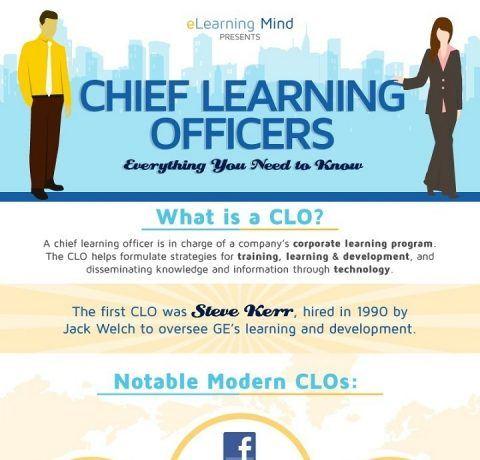
The Chief Learning Officer is a senior executive responsible for overseeing learning strategies,education technologies,and professional progress within an institution. Whether at universities, colleges, or schools, the CLO acts as a bridge between pedagogical goals and innovative technology. Their mission is to harness educational tools and resources to elevate student outcomes, faculty performance, and institutional competitiveness.
- Education Technology Leader: Drives the adoption and integration of digital learning solutions.
- Strategic Visionary: Develops and implements evidence-based learning strategies for organizational growth.
- Cultural Influencer: Fosters a culture of continuous learning and professional development.
Key Responsibilities of the Chief Learning Officer
The scope of a CLO’s duties varies, but typically includes:
1. Designing and Implementing Learning Strategies
A CLO analyzes institutional needs and crafts comprehensive learning programs aligned with educational objectives. This includes:
- Creating digital and blended learning models
- Developing personalized learning pathways for students and staff
- Ensuring programs are accessible, equitable, and effective
2. Leading Education Technology Initiatives
In modern academic institutions, the CLO plays a critical role in integrating technology:
- evaluating and selecting e-learning platforms and LMS
- Overseeing deployment of online courses and virtual classrooms
- Encouraging innovation with adaptive learning tools, AI, and analytics
3. Driving Faculty and Staff Development
Empowering educators and staff is central to the CLO’s success:
- Orchestrating professional development programs
- facilitating workshops on emerging pedagogical trends
- Providing training on education technology adoption and usage
4. Measuring Learning Outcomes and Effectiveness
Chief Learning Officers implement data-driven methods to assess program success:
- Defining and tracking key performance indicators (KPIs)
- Utilizing feedback, surveys, and analytics to drive continuous improvement
- Reporting on progress to university, college, or school leadership
5. Collaborating with Institutional Leadership
A CLO works closely with presidents, provosts, deans, and other C-suite leaders to:
- Align learning initiatives with broader institutional strategies
- advise on trends in education technology and digital change
- Ensure compliance with accreditation, data privacy, and regulatory standards
Impact of the CLO on Organizational Success
The presence of an effective chief Learning Officer within a university, college, or school brings ripple effects across the organization:
Enhancing Student Outcomes
- Personalized learning plans improve engagement, retention, and achievement
- Modern education technologies support diverse learning styles and needs
Faculty Empowerment
- Ongoing professional development fosters faculty innovation and satisfaction
- Access to cutting-edge teaching tools elevates classroom effectiveness
Institutional Reputation and Competitiveness
- Adoption of advanced learning technologies positions schools as leaders in education
- Greater adaptability and responsiveness to industry and societal changes
Operational Efficiency
- Streamlined processes through automation and digital platforms
- Optimized resource allocation for learning initiatives
Essential Skills Every Chief Learning Officer Should Have
If you are considering a job as a CLO in education technology, you’ll need to demonstrate a unique blend of expertise.Commonly sought-after skills include:
- Strategic Planning – Ability to set long-term learning and technology goals.
- Technological Literacy – Deep familiarity with education technology platforms, data analytics, and online learning tools.
- Leadership and Influence – Leading teams, motivating staff, and driving cultural change.
- Data-Driven Decision Making – Utilizing metrics and analytics to measure success and optimize processes.
- Dialogue Skills – Articulating vision,strategy,and outcomes to diverse audiences.
- Instructional Design Expertise – Designing effective curricula and e-learning modules.
- Regulatory and Compliance Knowledge – Understanding education laws, data privacy, and accreditation standards.
Benefits of Pursuing a Career as a chief Learning officer
Jobs in education technology, especially in CLO roles, yield several intrinsic and professional rewards:
- Influence and Impact: Shape the future of learning at your institution and beyond.
- Career Advancement: Reach executive-level responsibility and visibility.
- Professional Growth: Remain on the cutting edge of pedagogical and technological innovation.
- Personal Fulfillment: make tangible improvements in student and staff success.
- Competitive Compensation: Executive positions like CLO offer higher salary potential and attractive benefits packages.
Practical Tips for Landing a chief Learning Officer Job in Education Technology
Becoming a Chief Learning Officer in a university, college, or school requires preparation and a strategic approach. Here’s how you can increase your chances of success:
1. Advance Your Education
- pursue advanced degrees in education, instructional design, or education technology.
- Consider certifications in education technology, e-learning, or executive leadership.
2. Build a Robust Professional portfolio
- Document successful learning initiatives, technology integration projects, and measurable outcomes.
- Develop case studies, whitepapers, or presentations that showcase your expertise.
3. Gain Relevant Experience
- Start by leading professional development programs or digital transformation initiatives.
- Seek out roles such as Director of Learning, Instructional Technologist, or Curriculum Manager.
4. Network with Education Technology Leaders
- join professional associations and attend conferences focused on learning and technology.
- Connect with current CLOs via social platforms, webinars, and industry panels.
5. Demonstrate Vision and Innovation
- Stay abreast of emerging trends: AI, adaptive learning, immersive technologies, and more.
- Present ideas for scalable and sustainable learning solutions during interviews.
6. Showcase Data-Driven Examples
- Highlight case studies that reveal improvement in learning outcomes and organizational growth.
- Use metrics and analytics to support your achievements and proposals.
Frequently Asked Questions About the Chief Learning Officer Role
- What qualifications are needed to become a CLO in a university or college?
Most CLOs hold a master’s or doctoral degree in education,instructional design,or educational leadership,along with important experience in technology integration and management. - how does a CLO differ from a Director of Learning or Instructional Technologist?
A CLO is an executive responsible for vision and strategy at an organizational level, while directors and technologists frequently enough manage specific programs or systems. - is the CLO role mostly technical or strategic?
It’s both—CLOs must understand the technology but focus heavily on the strategic alignment with institutional goals. - What is the expected salary for a Chief Learning Officer?
Salaries vary by region and school type but often exceed six figures, reflecting the strategic importance of the role. - What future trends are shaping the CLO role?
AI-powered learning, data analytics, immersive education tech, lifelong learning models, and strategic digital transformation are at the forefront.
Conclusion: shaping the Future of education Technology
The Chief Learning Officer stands at the intersection of educational advancement and cutting-edge technology in universities, colleges, and schools. With responsibilities spanning strategy,leadership,and innovation,the CLO drives transformative change that propels institutions toward greater success. For job seekers, pursuing a career as a CLO in education technology offers unmatched opportunities to influence learning, lead digital transformation, and achieve professional fulfillment. By building relevant skills, gaining hands-on experience, and staying current with industry trends, you can position yourself as a sought-after candidate in this dynamic and rewarding field. Start your journey today and become an architect of the future of education.