
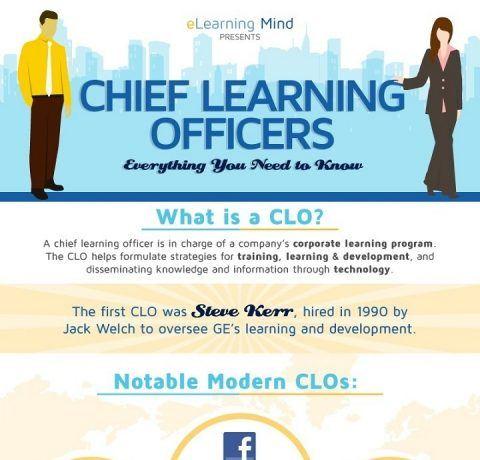
Chief Learning Officer (CLO): Role,Responsibilities,and Keys to success
With the rapid evolution of education technology,institutions such as universities,colleges,and schools seek visionary leaders to drive learning innovation. The Chief Learning Officer (CLO) has emerged as one of the most vital roles for educational organizations striving to modernize student experiences and optimize faculty growth. If you are a job seeker passionate about education technology and aspire to impact learning at an institutional scale, understanding the role of the Chief Learning Officer is a crucial first step. This comprehensive guide explores the CLO’s core responsibilities, necessary skills, benefits of the position, and practical tips to succeed in the world of EdTech leadership.
What is a Chief Learning Officer (CLO)?
A Chief Learning Officer (CLO) is an executive responsible for leading and overseeing learning strategies, digital change initiatives, and curriculum development within educational institutions. In the context of education technology, the CLO champions the integration of cutting-edge digital solutions to enhance teaching methodologies, learning outcomes, and organizational culture.
Unlike traditional academic leaders such as Provosts or Deans, the CLO is uniquely tasked with aligning learning innovation with institutional goals and technological advancements.This specialized role is increasingly found in universities, colleges, and K–12 schools that prioritize blended learning, eLearning, and personalized education.
The Evolving Role of the CLO in Education Technology
In an era dominated by virtual classrooms, AI-powered learning platforms, and data-driven instruction, the CLO’s role in education technology has expanded significantly. Today, the CLO acts as a bridge between learning science, technology teams, and institutional leadership, ensuring that new teaching tools and digital resources truly support student success and faculty development.
- Strategic Visionary: The CLO sets the course for digital transformation across the association, evaluating emerging EdTech trends and aligning investments with long-term goals.
- Change Agent: CLOs facilitate cultural shifts, guiding schools and universities in adopting new technologies and learning models.
- Collaboration Leader: They engage multiple stakeholders—IT,faculty,students,and administrators—to create an environment where continuous improvement thrives.
CLO Key Responsibilities in Universities, Colleges, and Schools
for job seekers interested in education technology, understanding the core responsibilities of a Chief Learning Officer will help tailor your application and readiness for the role. Typical tasks and areas of responsibility include:
1. Learning Strategy Development
- Designing and implementing institution-wide learning frameworks
- Aligning curricula with digital transformation objectives
- Identifying pedagogical innovations that enhance student learning
2. EdTech Evaluation and Implementation
- Evaluating and selecting new education technology platforms (LMS, digital collaboration tools, adaptive learning systems)
- Ensuring seamless integration of EdTech tools with existing curricula
- Tracking technology adoption and user satisfaction metrics
3.Faculty Engagement & Development
- Leading professional development initiatives for instructors on new technologies and teaching best practices
- Developing support systems for continuous faculty learning and certification
- Facilitating mentorship programs between EdTech experts and faculty members
4.Student-Centered learning Enhancement
- Promoting personalized and inclusive learning experiences
- Leveraging analytics tools to measure student progress and learning gaps
- Championing accessibility and worldwide design principles in digital content
5. Data-Driven Decision Making
- Managing learning analytics and reporting to drive strategic decisions
- Identifying trends in student performance and faculty engagement
- Optimizing ROI on EdTech investments
6. Stakeholder collaboration & Interaction
- Building partnerships with EdTech vendors, academic leaders, and community organizations
- effectively communicating vision, success stories, and challenges to internal and external stakeholders
Essential Skills and Qualifications for Chief Learning Officers
CLOs in educational institutions require a unique blend of professional and technical skills.If you are crafting your CV or preparing for interviews, emphasize these key competencies sought in top education technology leaders:
- Strategic Planning: Proven ability to develop and execute long-term learning strategies
- EdTech Expertise: Deep understanding of learning management systems, digital content delivery, and innovative classroom technologies
- Leadership & Change Management: Experience in driving organizational change, fostering innovation, and leading cross-functional teams
- Data Literacy: Ability to leverage data analytics for monitoring student outcomes and technology effectiveness
- Communication: Skilled in articulating complex ideas clearly to a diverse audience
- Collaboration: adept at building consensus and working with various departments
- Curriculum Design: Experience with designing inclusive and adaptive curricula that leverage technology
- Project Management: Comfortable overseeing EdTech pilot projects, professional development initiatives, and large-scale technology rollouts
Benefits of Becoming a Chief Learning Officer in Education Technology
Pursuing a role as a CLO has distinct advantages, especially for professionals passionate about transforming how education is delivered and experienced. here are the top benefits to consider:
- High Impact: clos shape the entire learning ecosystem of the institution, influencing policy, curriculum, and student success.
- Innovation Opportunities: You’ll spearhead the adoption of emerging technologies such as AI, VR, and predictive analytics.
- Professional Growth: The role offers exposure to executive decision-making, strategic partnerships, and leadership development.
- Competitive Compensation: CLO positions typically command attractive salaries and benefits in universities and major colleges.
- Purposeful work: Direct involvement in initiatives that improve inclusivity, equity, and learning outcomes for diverse student populations.
Keys to Success as a Chief Learning Officer
Succeeding in the fast-paced and challenging environment of education technology leadership requires more than domain expertise.Here are essential keys to success for aspiring CLOs in universities, colleges, and schools:
1. Stay Current with EdTech Trends
- Dedicate time to learning about new technologies, instructional models, and research in learning science
- Join professional forums, attend industry conferences, and seek thoght leadership opportunities
2. Cultivate a Growth Mindset
- Embrace experimentation with new teaching tools and classroom strategies
- Encourage teams to learn from successes and failures
3. Prioritize Inclusion and Accessibility
- Advocate for technology that supports learners with disabilities and diverse backgrounds
- Implement universal design principles across digital resources and platforms
4.Build Strong Relationships
- Foster trust and collaboration with faculty, IT teams, student leaders, and external partners
- Establish feedback loops to continuously assess technology effectiveness and stakeholder satisfaction
5.Lead with Vision and Adaptability
- Articulate a clear vision for learning transformation and digital innovation
- Show adaptability in responding to evolving needs and unforeseen challenges
Practical Tips for Job Seekers With Ambitions in EdTech Leadership
If you aspire to become a Chief Learning Officer in the education sector, these practical career tips will help you stand out:
- Develop a Portfolio: Showcase accomplished EdTech integration projects, curriculum innovations, and measurable improvements in learning outcomes.
- Pursue Further Education: Advanced degrees or certifications in instructional design, education technology, or educational leadership enhance credibility.
- Network Purposefully: Connect with current CLOs, attend relevant webinars, and join EdTech professional associations to expand your industry knowledge.
- Hone Leadership Skills: Volunteer for cross-disciplinary leadership positions, lead professional development workshops, or mentor junior colleagues.
- Master Communication: Develop the ability to explain complex technology concepts in understandable terms for non-technical audiences.
Conclusion
The Chief learning Officer (CLO) role sits at the intersection of education, technology, and leadership—a perfect career choice for job seekers who dream of making a meaningful difference in how learning happens at universities, colleges, or schools. As institutions rapidly adopt digital innovations,the demand for skilled CLOs is only set to grow. By understanding the multifaceted responsibilities, essential skills, and actionable steps for success covered in this guide, you can confidently chart your path into edtech leadership and advance the future of learning.