
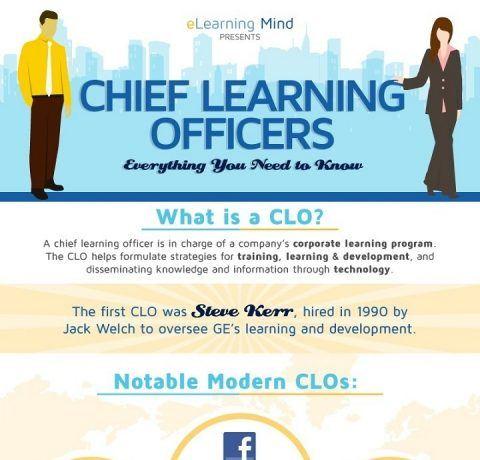
Chief Learning Officer (CLO): Role, Responsibilities, and Why your Organization Needs One
Are you passionate about driving educational innovation and digital transformation in schools, colleges, or universities? If yes, the role of Chief Learning Officer (CLO) might be your dream job in the education technology sector. With the rapid rise of edtech solutions and changing pedagogical landscapes, institutions are increasingly looking to hire dynamic CLOs who can bridge the gap between teaching, technology, and organizational strategy.
Introduction: Navigating the New Era of Learning
educational institutions are undergoing unprecedented change. From online learning platforms to AI-driven personalized education, technology is revolutionizing how we teach and learn. In this context, the Chief Learning Officer has become a critical leadership position. But what does a CLO do, and why is this role so vital for colleges, universities, and schools today?
What is a Chief Learning officer?
A Chief Learning Officer (CLO) is a C-suite executive responsible for leading an organization’s learning and growth strategies. In education, the CLO is charge of integrating technology with pedagogy, fostering innovative learning environments, and ensuring faculty and staff stay ahead of educational trends. As the chief architect of institutional learning, the CLO shapes how knowledge is delivered, measured, and improved upon.
- Job Title: Chief Learning Officer (CLO)
- Sector: Education Technology, Higher Education, K-12
- Primary Goal: Oversee and innovate institution-wide learning strategies using cutting-edge technologies
Key responsibilities of a Chief learning Officer
The specific duties of a CLO may vary depending on the institution, but common core responsibilities include:
1. Strategic Learning Leadership
- Set the vision and roadmap for technology-enhanced learning initiatives
- Analyse emerging trends in education technology and recommend adoption strategies
- Lead cross-functional teams involving IT, academic staff, and administrators
2. Technology integration
- Select, implement, and oversee learning management systems (LMS) and virtual learning environments
- Diagnose and solve challenges related to digital content, gamification, and adaptive learning technology
- Ensure seamless integration between academic programs and edtech solutions
3.Faculty and Staff Professional Development
- Design and deliver ongoing professional development for educators in instructional technology
- Foster a culture of lifelong learning and digital fluency among staff
- Assess and elevate digital pedagogical skills across the institution
4.Data-Driven Decision Making
- Deploy data analytics to evaluate the effectiveness of teaching strategies and technologies
- Identify key metrics for student engagement, retention, and achievement
- Lead initiatives to improve learning outcomes based on data insights
5. Change Management and Stakeholder Dialog
- Act as a bridge between academic, technical, and administrative teams
- Communicate changes and innovations to both internal and external stakeholders
- Manage resistance and foster institutional buy-in for transformation projects
Benefits of Having a Chief Learning Officer in Education
Appointing a skilled CLO brings a range of advantages to schools, colleges, and universities, especially in today’s fast-evolving digital education landscape.
- Enhanced Student Outcomes — A CLO’s initiatives directly contribute to improved learning experiences and academic success.
- Effective Use of edtech Investments — Maximizes the ROI from technology spending by ensuring tools are meaningfully integrated into curricula.
- Agility in Adapting to change — quick and effective adoption of new teaching methods and technologies.
- Professional Growth for staff — Systematic upskilling of teachers and administrators prepares institutions for the future.
- Data-Informed Culture — Better decision-making through robust analytics and continuous improvement.
- Competitive Edge — Institutions with strong leadership in learning stand out to prospective students and faculty.
Essential Skills and Qualifications for a CLO in education
If you’re interested in becoming a Chief Learning Officer at a school,college,or university,here are some must-have skills and qualifications:
- Advanced degree in Education,instructional Design,Educational Technology,or related field
- proven track record in managing large scale learning and development projects
- Familiarity with Learning Management systems (LMS) such as Canvas,Blackboard,or Moodle
- Strong analytical skills for data-driven educational improvement
- Excellent communication and leadership abilities
- Understanding of digital pedagogies,online course design,and faculty development
Why Your Organization Needs a Chief Learning Officer
As competition tightens,and students (and also employers) demand more innovative,technology-enhanced education,the role of the CLO becomes increasingly vital.
- Bridging Strategy and Practice: CLOs ensure that the institution’s strategic priorities are reflected in daily teaching and learning practices.
- Championing Innovation: They serve as internal champions for new ideas,piloting and scaling educational innovations that benefit all stakeholders.
- Future-Proofing the Institution: By continuously monitoring and upgrading digital learning strategies, CLOs help institutions stay ahead of market and technology trends.
Practical Tips for Aspiring chief Learning Officers
Are you considering a career pivot to a CLO position in the education sector? Here are some actionable tips to stand out during your job search and interview process:
- Expand Your EdTech Acumen: Stay updated on emerging education technology trends, platforms, and best practices.
- Build a robust Professional Network: Connect with industry leaders, attend edtech conferences, and participate in relevant online communities.
- Pursue Relevant Certifications: Certifications in instructional design, agile project management, or data analytics can enhance your candidacy.
- create a Portfolio: Showcase triumphant projects and measurable outcomes from past leadership roles related to learning and technology integration.
- Emphasize Communication Skills: Demonstrate your ability to communicate complex concepts to diverse audiences, a core requirement for a successful CLO.
How to Succeed as a CLO in an Educational Institution
Once you land a Chief Learning Officer role,here are strategies to excel in leading learning innovation within your school,college,or university:
- Focus on Impact: Set clear metrics and regularly review progress to ensure initiatives drive tangible improvements.
- Cultivate Buy-In: Involve faculty and staff early in the decision-making process to encourage ownership and reduce resistance.
- champion Continuous Learning: Model lifelong learning for your team and organization by pursuing professional development yourself.
- promote Inclusivity: Ensure your learning strategies address the needs of all students and staff, including those from underrepresented groups.
- Stay Agile: Be ready to pivot strategies in response to feedback, technology advancements, or changing organizational priorities.
Conclusion: The Future of EdTech Leadership
The Chief learning Officer is more than a title; it’s a mission-critical role at the intersection of education, technology, and leadership. As schools, colleges, and universities adapt to the new realities of digital learning, the CLO’s expertise ensures that institutions remain competitive, agile, and truly student-centered. Whether you’re a job seeker aspiring to become a CLO or an academic leader considering this role for your organization, investing in learning leadership today is essential for future success.
Ready to drive educational transformation? Explore the exciting world of Chief Learning officers in education technology—where your vision can make a real difference in how the next generation learns.