
Chief Learning officer (CLO): Role, Responsibilities & Strategic Impact in Modern Organizations
As universities, colleges, and schools continue to embrace the digital conversion, the demand for skilled education technology leaders is soaring. One of the moast influential roles in this space is the Chief Learning Officer (CLO). If you’re a job seeker eager to make an impact at the intersection of education and technology, understanding the CLO’s responsibilities and strategic influence is crucial for your career planning. This complete guide explores the Chief Learning Officer role, its core functions, value to academic institutions, and practical insights for aspiring EdTech leaders.
What is a Chief Learning Officer (CLO) in Education Technology?
The Chief Learning officer is a top executive responsible for setting the vision and strategy for learning,professional progress,and educational innovation. In the context of universities, colleges, or schools, the CLO leads the integration of education technology (EdTech) to advance institutional goals, improve student outcomes, and foster continuous faculty development. As digital transformation becomes more essential in academic settings, the CLO plays a strategic role in aligning instructional design with the latest technology trends and learning theory.
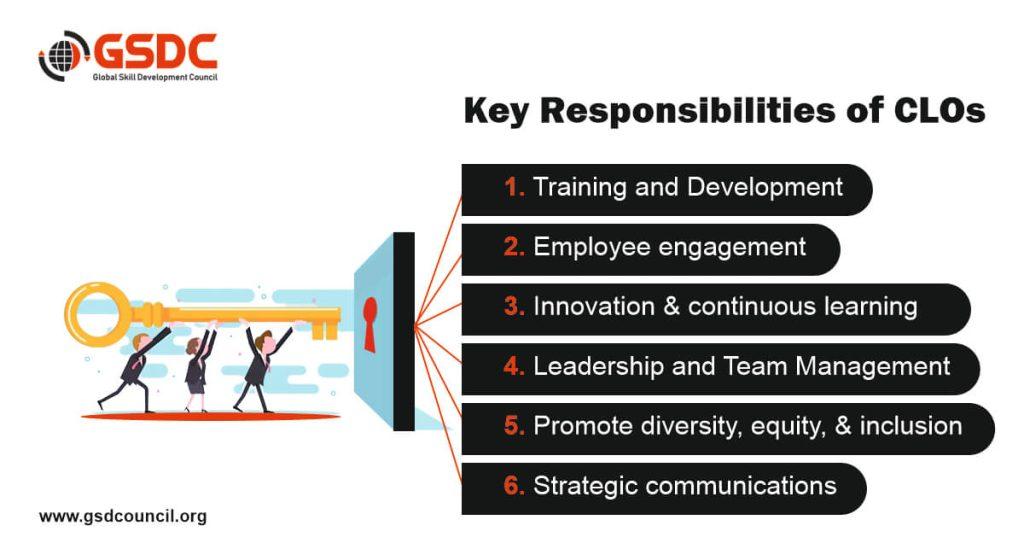
Key Responsibilities of a Chief Learning Officer
Education technology has remade the learning landscape, and the CLO is at the heart of this evolution. The primary duties of a Chief Learning Officer in academic institutions typically include:
- developing Learning Strategy: Crafting and implementing a comprehensive learning strategy tailored to the institution’s mission, vision, and goals.
- EdTech Integration: Leading the adoption and deployment of new technologies for classrooms,remote learning,learning management systems (LMS),and assessment tools.
- faculty Development: Creating professional development programs and resources that drive pedagogical innovation and support faculty mastery of EdTech tools.
- Data-Driven Decision Making: Utilizing analytics and educational data to assess program effectiveness, drive improvements, and enhance learning outcomes.
- Diversity and Inclusion: Ensuring that learning resources and experiences are equitable and accessible to all students and staff.
- Collaboration: Working cross-functionally with academic leadership,IT departments,instructional designers,and external partners to create cohesive educational experiences.
- Change leadership: Managing large-scale change initiatives, overcoming resistance, and cultivating a culture of innovation within the academic community.
- Budget Management: Allocating resources efficiently to maximize the return on investment for EdTech initiatives and learning programs.
Strategic Impact of the CLO in Modern organizations
The Chief Learning Officer’s influence extends far beyond day-to-day operations.In modern universities, colleges, and schools, a proficient CLO drives organizational transformation by:
- Enhancing Student Success: Aligning EdTech strategies to improve student engagement, retention, and achievement across diverse learning environments.
- Driving Innovation: Piloting cutting-edge tools, such as AI-driven adaptive learning, virtual and augmented reality experiences, and next-generation digital assessments.
- Championing lifelong Learning: Establishing a growth mindset among faculty and students, encouraging continuous upskilling and professional growth.
- Building Institutional Reputation: Elevating the institution’s status as a leader in education technology and innovative teaching.
- Supporting Organizational Agility: Facilitating swift adaptation to emerging challenges, whether it’s shifting to online learning or integrating new compliance requirements.
real-World Examples of CLO Impact
Chief Learning Officers are instrumental in projects such as:
- Rolling out campus-wide digital literacy initiatives for students and staff.
- Implementing hybrid classroom models to expand access and flexibility.
- Creating partnerships with edtech vendors to access cutting-edge tools and training.
- Launching micro-credential programs that enhance employability for graduates.
Essential Skills and Qualifications for Chief Learning Officers
to excel as a Chief Learning Officer in the education sector, candidates typically need a blend of expertise in education, technology, and leadership. Key qualifications and skills include:
- Advanced Education: Master’s or doctoral degree in education, instructional design, educational technology, or a related field.
- EdTech Expertise: Deep understanding of learning management systems, digital assessment tools, mobile learning, and emerging EdTech solutions.
- Strategic Leadership: Proven ability in setting vision, influencing stakeholders, and driving cross-functional teams.
- Change Management: Experience leading organizational change and fostering cultural buy-in for new technologies and learning practices.
- Data Analytics: Skills in educational data analysis, program evaluation, and utilizing metrics to inform decisions.
- Communication: Excellent writen and verbal communication for effective leadership and stakeholder engagement.
- Project Management: Expertise in overseeing large-scale EdTech implementations from inception to completion.
Benefits of Working as a Chief Learning Officer in EdTech
Becoming a Chief Learning Officer offers numerous professional and personal rewards, especially in the dynamic field of education technology:
- Influence and Impact: Directly shape the educational journeys of students and faculty, fostering innovation at multiple levels.
- Professional Growth: Engage with emerging technologies and learning science,staying at the leading edge of education trends.
- Networking Opportunities: Connect with EdTech leaders, academic experts, industry vendors, and policy-makers.
- Competitive Compensation: CLOs belong to the executive tier and frequently enough receive attractive salaries and benefits.
- Satisfaction of Purpose: Play a central role in making learning more effective, accessible, and future-ready.
Practical Tips for Aspiring Chief Learning Officers
If you’re aiming to build a career as a Chief Learning Officer in universities, colleges, or schools, here are some practical steps to consider:
- Invest in Ongoing Learning: Stay current by taking advanced courses in EdTech, learning analytics, instructional design, and change management.
- Build a Digital Portfolio: highlight prosperous projects, EdTech implementations, and data-driven outcomes you’ve led.
- Develop Leadership skills: Seek opportunities to manage diverse teams and lead professional development initiatives.
- Network Widely: Attend EdTech conferences, webinars, and join professional organizations to connect with industry leaders.
- Demonstrate Vision: Share your insights on education and technology trends through presentations, publications, or thought leadership platforms.
- Gain Experience in both Education and Technology: The most successful CLOs combine teaching experience with expertise in digital tools and strategy.
Challenges Faced by Chief Learning Officers
While this executive role is rewarding, CLOs also encounter unique challenges, such as:
- Balancing Tradition with innovation: reconciling long-standing educational methods with the push for rapid digital transformation.
- Resource Constraints: Implementing cutting-edge initiatives within budget limitations.
- Resistance to change: Leading staff and faculty through transitions that may disrupt their established practices.
- Data Privacy and Security: Ensuring student facts and learning data is protected and used ethically.
Future Outlook for Chief Learning Officers in Education Technology
The importance of the Chief Learning Officer role will only increase as schools, colleges, and universities continue navigating digital transformation. Institutions are seeking visionary leaders who can:
- Implement scalable, resilient digital learning ecosystems.
- Maximize the potential of blended, hybrid, and remote learning models.
- Foster personalized, competency-based educational pathways using advanced analytics and AI.
- Create inclusive, accessible learning experiences for all learners.
Conclusion: Forging a New Path in Education with the CLO Role
Becoming a Chief learning Officer in the education technology sector empowers you to shape the future of learning. As institutions look for strategic leaders who can leverage innovative tools and methodologies, the CLO stands at the intersection of pedagogy, technology, and leadership. Whether you aspire to drive change at a university, college, or school, developing the right blend of skills, vision, and hands-on experience is key to succeeding in this influential executive role.If you are passionate about making education more effective, equitable, and future-focused, pursuing a career as a CLO could be your next exciting step.