
Chief Learning Officer (CLO): Role, Responsibilities & Why Your institution Needs One
Introduction
The rapid evolution of education technology (EdTech) is transforming the way institutions deliver learning. As colleges,universities,and schools pivot towards more innovative,digital-first approaches,the need for strategic leadership in learning and development has never been greater. Enter the Chief Learning Officer (CLO).
Whether you are a job seeker considering a Chief Learning Officer position or an educational organization seeking to foster excellence, understanding the importance of the CLO role is crucial. This thorough article will explore the Chief Learning Officer’s responsibilities, benefits, essential skills, and why every educational institution should consider adding one to their leadership team.
What is a Chief Learning Officer (CLO)?
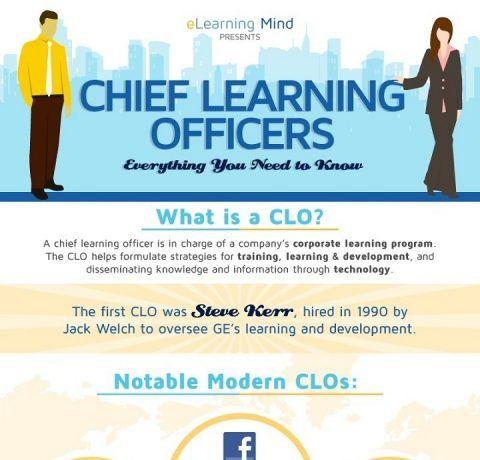
A Chief learning Officer is a top-level executive responsible for overseeing all learning and development initiatives within an institution. In the context of education technology, the CLO bridges the gap between academic leadership, instructional design, and technological innovation—ensuring that digital learning meets the institution’s strategic goals.
The CLO plays a pivotal role not just in implementing digital tools, but also in shaping a culture of continuous learning. With the right vision and strategy, a CLO can transform educational outcomes for students, faculty, and staff.
Key Responsibilities of a Chief Learning Officer in EdTech
The Chief Learning Officer’s responsibilities vary between universities, colleges, and schools, but core functions remain consistent—especially in institutions embracing education technology. Here’s what you can expect from the role:
- Strategic Leadership: Develop and implement institution-wide learning strategies aligned with organizational goals.
- EdTech implementation: Oversee the adoption of learning management systems (LMS), e-learning platforms, and other technologies that support modern teaching and learning methods.
- Curriculum Development: Collaborate with academic leaders to design or enhance curricula that leverage instructional technology, ensuring an engaging digital learning experience for all learners.
- Faculty development: Provide training and support for instructors on new educational technologies and instructional methods.
- Assessment & Analytics: Monitor the effectiveness of learning programs using data analytics, measuring student engagement, success rates, and faculty satisfaction.
- Quality Assurance & Compliance: Ensure all digital learning initiatives meet accreditation standards and privacy requirements.
- resource Management: Allocate budgets and resources for EdTech tools, instructor training, and ongoing technology upgrades.
- Culture Building: Foster a culture of innovation, continuous improvement, and lifelong learning across the institution.
Essential Skills and Qualifications for a Chief Learning officer
The ideal Chief Learning Officer candidate brings a blend of academic, technological, and leadership skills. If you are looking to pursue a CLO role or hire one for your organization, here are the key qualifications to consider:
- Educational Background: Advanced degree in education, instructional design, organizational development, or a related field.
- Leadership Experience: Demonstrated success in leading learning and development or academic technology teams.
- Tech Savvy: Strong understanding of e-learning environments, LMS platforms, and emerging EdTech trends.
- Strategic Mindset: Ability to align learning initiatives with organizational goals.
- Change Management Skills: Experience guiding institutions through technology adoption and transformation.
- Data-driven Decision Making: Familiarity with analytics tools and processes to evaluate learning outcomes.
- Excellent Communication: Effective at collaborating with stakeholders across academic, administrative, and IT departments.
Why Your organization Needs a Chief Learning Officer
Is your institution looking to stay ahead in the digital age? Here’s why hiring a Chief Learning Officer can make all the difference:
- Strategic Digital Transformation: A CLO ensures your institution leverages EdTech effectively, modernizing both instructional practices and operational processes.
- Improved student Outcomes: Through innovative learning design and the use of data, CLOs help create more engaging, accessible, and effective online and hybrid learning experiences.
- Faculty Empowerment: CLOs provide essential training and support, enabling instructors to confidently use new technologies and methodologies.
- Competitive Advantage: Institutions with a visionary CLO attract tech-savvy students and retain talented faculty, enhancing their reputation and results.
- Evidence-Based Decisions: Data-driven insights from the CLO help identify what’s working, ensuring continuous improvement in learning programs.
- Future Proofing: As EdTech evolves, CLOs help organizations adapt, remain agile, and future-ready.
Benefits of Having a Chief Learning Officer in EdTech-Focused Institutions
Integrating a CLO into your institution delivers a host of practical advantages:
- Enhanced Collaboration: CLOs facilitate cross-departmental teamwork, uniting academic, technological, and administrative functions.
- Streamlined change Management: effective leadership smooths the transition to new EdTech initiatives, minimizing disruptions.
- Personalized Learning paths: By leveraging data analytics, clos help institutions offer adaptive, student-centered learning experiences.
- Cost Efficiency: With strategic resource allocation, CLOs ensure investments in EdTech yield the highest impact.
- Regulatory Compliance: CLOs stay abreast of changing accreditation and privacy requirements, protecting both the institution and its learners.
Practical Tips for Job Seekers Aspiring to Become a Chief Learning Officer
Interested in building a career as a Chief Learning Officer in a university, college, or school? Here are some actionable tips to help you stand out in the competitive EdTech job market:
- Build a Diverse Portfolio: Gain experience in both academic leadership and educational technology roles.Work on cross-functional projects to broaden your expertise.
- Stay Current: Keep up with the latest trends in EdTech, instructional design, and learning analytics. Participate in webinars, online courses, and professional networks.
- Hone Your Leadership Skills: Take on leadership or project management responsibilities whenever possible.
- Pursue Advanced Education: Earning a master’s or doctoral degree relevant to educational leadership or instructional technology boosts your credentials.
- Master Communication: Strong written and verbal communication skills are vital for advocating EdTech initiatives and bridging gaps between departments.
- Highlight Impact: In your resume and interviews, showcase measurable results you have achieved in previous roles—such as improved learning outcomes or successful technology rollouts.
- Network Strategically: Build relationships through professional associations, academic conferences, and online EdTech communities.
How to Attract and Retain a Chief Learning Officer
For institutions looking to recruit a top-tier CLO, consider these strategies:
- Offer competitive Compensation: Recognize the strategic value of a CLO with appropriate salary and benefits.
- Encourage Professional Growth: Support ongoing professional development and participation in EdTech conferences or certifications.
- Foster a culture of Innovation: Give the CLO autonomy to innovate, experiment, and drive organizational change.
- Provide clear Advancement Paths: Outline how the CLO role connects with executive leadership to attract ambitious candidates.
- Ensure Leadership Support: Empower the CLO with resources, budget, and a clear mandate from senior management.
Conclusion
The Chief Learning Officer (CLO) is a cornerstone role in today’s education technology landscape. As colleges, universities, and schools embrace digital transformation, having a visionary CLO ensures learning initiatives are strategic, innovative, and impactful. For job seekers, the CLO position offers a rewarding career path at the intersection of technology, leadership, and education. for institutions, investing in a qualified Chief Learning officer is not just a competitive advantage—it’s an essential step toward sustained success in the digital age. Start your journey to EdTech excellence with a dynamic Chief Learning Officer leading the way.