
Chief Learning Officer (CLO): Roles, Responsibilities & Essential Skills for 2024
Introduction
The rapid evolution of education technology has transformed the way universities, colleges, and schools operate, making the role of a Chief Learning Officer (CLO) more crucial than ever. As institutions adapt to new learning modalities,CLOs bridge the gap between educational leadership and technological innovation. If you’re aspiring to become a CLO in 2024 or hoping to advance your career in educational technology, understanding the key responsibilities, benefits, and essential skills required for this role is your first step to success.
What is a Chief Learning Officer (CLO)?
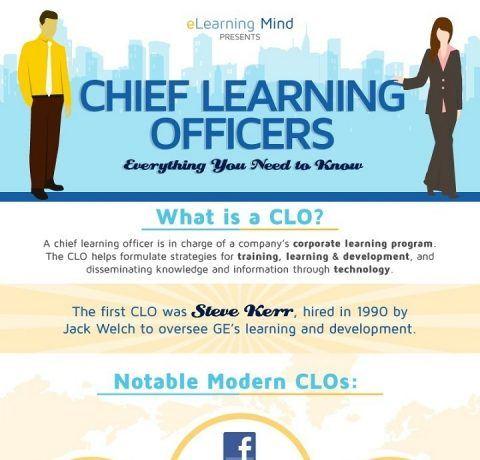
A Chief Learning Officer (CLO) is a senior executive responsible for developing and leading learning and development strategies within educational institutions. Popular in both higher education and K-12 settings, the CLO ensures the seamless integration of technology in teaching and learning, fostering educational innovation, and driving organizational change to meet 21st-century learning demands.
Why is the CLO’s Role in EdTech So Important?
- Bridges academic priorities with cutting-edge technology
- Drives digital conversion in curriculum and instructional methods
- Prepares institutions for future learning trends and innovations
key Roles and Responsibilities of a Chief Learning Officer
The CLO plays a multifaceted role encompassing leadership, strategy development, and technology implementation. Some of the main responsibilities include:
Strategic Leadership & Vision
- Developing and executing a thorough learning and development strategy aligned with the institution’s mission and goals
- Staying ahead of the latest trends in educational technology and curriculum design
- advising university or school leadership on effective technology integration across departments
EdTech Policy Development
- Establishing and enforcing policies for digital learning environments
- Ensuring compliance with data privacy regulations and intellectual property rights
- Promoting equity, accessibility, and inclusivity in all technology-enabled learning initiatives
Faculty and Staff Development
- Designing and delivering ongoing professional development programs for educators and administrative staff
- Equipping instructors with the skills to use EdTech tools effectively
- Encouraging adoption of best practices in digital pedagogy
Instructional Design & Innovation
- Leading the adoption of innovative instructional strategies, such as blended learning, flipped classrooms, or microlearning modules
- Managing the integration of learning management systems (LMS), e-learning platforms, and adaptive learning tools
- Collaborating with curriculum designers to align technology with academic objectives
Performance Analysis & Continuous Enhancement
- Measuring the effectiveness of learning programs and EdTech initiatives through analytics and feedback
- Using data-driven insights to enhance student outcomes and staff performance
- Reporting progress and challenges to executive leadership, governing boards, or accreditation agencies
budgeting and Resource Allocation
- Managing budgets for educational technology purchases and learning initiatives
- Evaluating return on investment (ROI) for EdTech projects
- Establishing partnerships with technology vendors and solution providers
Student Experience & Engagement
- Advocating for student-centered learning experiences
- Driving the adoption of personalized and interactive learning platforms
- Overseeing efforts to close achievement gaps through technology
Essential Skills for a Accomplished Chief Learning Officer in 2024
Being a high-impact CLO requires a unique blend of technical, strategic, and interpersonal skills. In 2024, some of the most important essential skills include:
1. Educational Technology expertise
- In-depth knowledge of emerging digital learning tools, AI, AR/VR applications, and hybrid delivery models
- Experience in selecting, implementing, and evaluating learning management systems (LMS) and edtech solutions
2.Strategic Leadership and Vision
- Ability to craft long-term learning strategies that anticipate future trends in higher education and K-12
- Capability to inspire diverse teams and foster a culture of innovation
3. Data Analysis and Assessment
- Proficiency in learning analytics, assessment platforms, and data interpretation
- Competence to utilize insights for continuous improvement initiatives
4.Change Management
- Strong background in leading organizations through large-scale digital transformation
- Skills in handling resistance and promoting adoption across faculty, staff, and students
5. Communication and Collaboration
- Exceptional written and verbal communication abilities to advocate for EdTech initiatives
- Talent for cross-functional teamwork with academic, IT, and administrative leaders
6. Project Management
- Experience in managing complex projects, budgets, and timelines
- Proven organizational capability to deliver large-scale learning solutions on time and within budget
7. Commitment to diversity, Equity, and Inclusion (DEI)
- Dedication to creating equitable access and opportunities for all learners
- Ability to develop inclusive EdTech policies and learning environments
Benefits of a Chief Learning Officer Role for Educational Institutions
Hiring a Chief Learning Officer brings multiple advantages to universities, colleges, and schools, such as:
- Accelerated digital transformation that enhances institutional relevance and competitiveness
- Increased faculty readiness for evolving teaching methods
- Improved student engagement, retention, and achievement
- Streamlined decision-making regarding technology investments
- Better compliance with regulatory requirements and industry standards
How to Become an Effective Chief Learning Officer: Practical Tips
Aspiring clos in education technology can fast-track their career with these actionable strategies:
Pursue Advanced Education
- Consider earning a master’s or doctoral degree in education, educational technology, instructional design, or a related field
- Obtain certifications in project management, EdTech, or data analytics
Gain Diverse Experience
- Work in various educational settings including K-12, higher education, or corporate learning
- Take on roles that combine technology and pedagogy, such as instructional designer, curriculum developer, or learning technologist
Network and Stay updated
- Join professional organizations and attend conferences focused on EdTech and educational leadership
- Read industry publications and follow thought leaders on digital transformation in education
Develop a Vision for Impact
- Articulate your ideology about technology’s role in learning
- Demonstrate a passion for student-centered education and continuous improvement
Sharpen Leadership and Soft skills
- Practise active listening, empathy, and collaboration
- Embrace feedback, adaptability, and innovation
Chief Learning Officer (CLO) Job Market Outlook for 2024
With the education sector’s ongoing digital transformation, the job market for Chief Learning Officers is robust. More institutions recognize the need for visionary leaders to guide them through the integration of AI, online learning, and data-driven decision-making. If you’re pursuing a career as a CLO, expertise in the latest education technology trends and a track record of successful project implementation will make you highly sought after.
Industries and Roles
- Universities and colleges (public and private)
- K-12 school districts
- Online education providers
- Educational non-profits and research foundations
Salary Expectations
Salaries for CLOs can vary based on region,size of the institution,and experience. In general, this executive role commands competitive compensation, often with additional benefits such as performance bonuses and professional development allowances.
Conclusion
The Chief Learning Officer role is at the heart of educational innovation and success in today’s fast-paced, technology-driven landscape. If you are resolute to shape the future of learning at universities, colleges, or schools, honing the skills and knowledge outlined above will set you on the path to an impactful CLO career. As educational institutions continue to prioritize technology and forward-thinking leadership, the demand for talented clos in 2024 and beyond shows no signs of slowing down. Start building your expertise and prepare to lead the transformation in education technology today.